


Wellness Routines That Improve Mental and Physical Health
Benjamin Scott September 25, 2025
In today’s fast-paced world, more people are turning to wellness routines that improve mental and physical health as a way to balance productivity with well-being. In 2025, wellness is no longer just about diet or exercise—it has expanded into an integrated approach that connects mental clarity, physical strength, emotional resilience, and overall life satisfaction. With advances in science, technology, and lifestyle research, new trends are shaping how individuals design daily routines that support holistic health. These practices are not only accessible but also sustainable, offering long-term benefits that go beyond surface-level self-care.
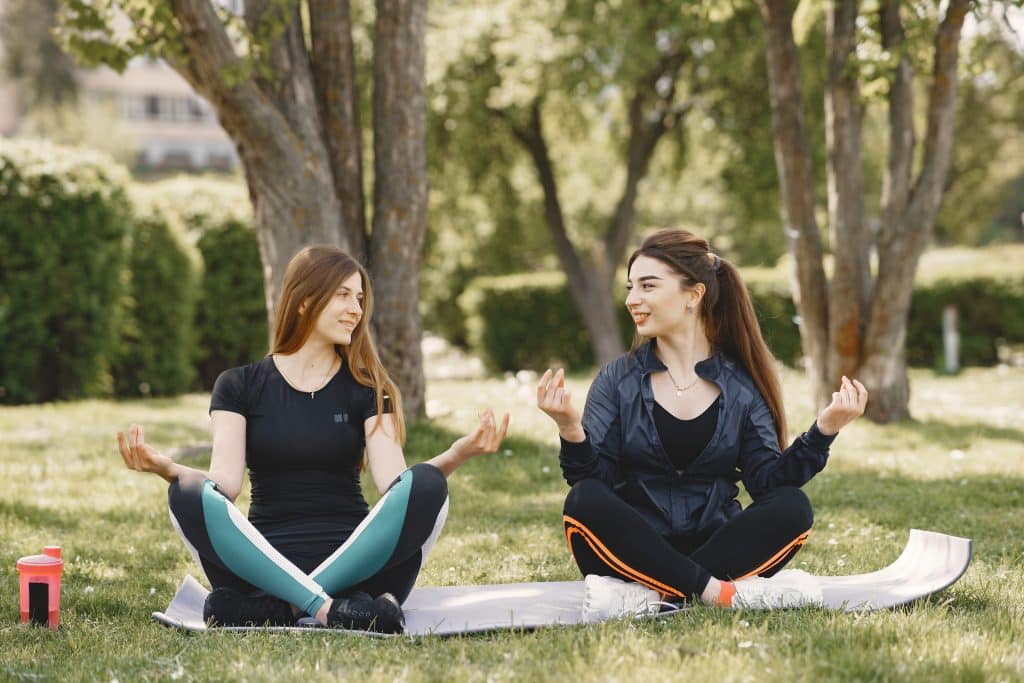
Why Mental and Physical Health Need Integrated Routines
Mental and physical health are deeply connected. Studies from Harvard Health (2024) show that regular physical activity reduces the risk of depression by up to 30%, while mindfulness practices improve sleep, lower blood pressure, and strengthen the immune system. Yet, many people continue to separate mental and physical care into different silos. In 2025, the shift is toward integrated routines where mental well-being and physical activity support each other. For example, combining movement with mindfulness or nutrition with stress management creates stronger, more sustainable results.
Trend 1: Micro-Workouts and Movement Snacks
Short bursts of physical activity—sometimes called “movement snacks”—are becoming an important part of wellness routines. Instead of spending an hour at the gym, people integrate 5–10 minute exercises throughout the day, which helps improve flexibility, circulation, and energy levels. The American College of Sports Medicine (2024) notes that micro-workouts can provide comparable cardiovascular benefits to longer sessions if performed consistently. Coupling these exercises with mindful breathing makes them effective for both body and mind.
Trend 2: Breathwork and Nervous System Regulation
Breathwork has emerged as a mainstream practice in wellness routines that improve mental and physical health. Techniques like box breathing, diaphragmatic breathing, and alternate nostril breathing are used to regulate the nervous system, reduce anxiety, and improve focus. A study published in Frontiers in Psychology (2024) found that just 10 minutes of structured breathwork daily can significantly reduce cortisol levels. Many fitness apps are now integrating guided breathwork alongside workouts, highlighting the trend of combining physical and mental practices in one routine.
Trend 3: Sleep Optimization as a Core Wellness Routine
Sleep has long been recognized as essential, but in 2025, it is treated as the foundation of wellness. Sleep-tracking devices, circadian rhythm-friendly lighting, and guided nighttime meditation are increasingly part of people’s daily routines. According to the Sleep Foundation (2024), adults who adopt consistent sleep routines improve cognitive performance by 25% and physical recovery by nearly 30%. Building wellness routines around sleep quality rather than only duration reflects the growing emphasis on recovery and balance.
Trend 4: Functional Fitness for Longevity
Functional fitness focuses on exercises that mimic real-life movements to improve strength, flexibility, and balance. Instead of lifting heavy weights for aesthetics, individuals are prioritizing mobility, joint health, and injury prevention. This trend supports both physical independence and mental confidence, especially as populations age. Research from The Lancet Public Health (2023) shows that functional fitness reduces the risk of falls and improves overall life expectancy. Incorporating activities like yoga, Pilates, and resistance band training into daily routines ensures physical health supports long-term wellness goals.
Trend 5: Nutrition That Supports Cognitive and Physical Performance
Nutrition is now viewed as fuel not just for the body but for the brain. Diets rich in omega-3 fatty acids, antioxidants, and plant-based proteins are linked to improved focus, energy, and emotional stability. The growing field of nutritional psychiatry has highlighted how gut health directly impacts mental well-being. According to the American Journal of Clinical Nutrition (2024), people following Mediterranean-style diets reported 35% lower rates of depression. Wellness routines now incorporate mindful eating, hydration, and supplementation as part of a holistic approach to mental and physical health.
Trend 6: Mindful Technology Use and Digital Detox Routines
Excessive screen time contributes to stress, poor sleep, and reduced attention spans. As a response, digital detox practices are being integrated into wellness routines that improve mental and physical health. These routines include screen-free mornings, mindful social media use, and scheduled tech breaks. A 2024 Pew Research study revealed that participants who practiced digital detox for at least two hours a day reported a 20% improvement in mood and concentration. Incorporating these breaks into daily life helps balance the benefits of technology with mental clarity.
Trend 7: Cold Exposure and Heat Therapy
Contrast therapies such as cold plunges, ice baths, and saunas are gaining popularity for their dual impact on physical recovery and mental resilience. Cold exposure reduces inflammation, boosts immunity, and increases dopamine, while saunas promote relaxation and cardiovascular health. A 2024 study published in Nature Scientific Reports found that individuals who practiced cold exposure combined with breathwork had improved stress tolerance and higher energy levels. These practices are now being incorporated into weekly wellness routines as accessible tools for both physical and mental health.
Trend 8: Nature-Integrated Routines
Spending time outdoors is increasingly recognized as a vital part of wellness. Practices such as “forest bathing,” outdoor workouts, and gardening provide exposure to natural light and fresh air while reducing stress and improving mood. The World Health Organization (2024) reported that people who spend at least 120 minutes per week in green spaces show significantly higher well-being scores. Nature-based routines connect mental restoration with physical activity, making them a cornerstone of modern wellness practices.
Trend 9: Hybrid Wellness Programs
As the demand for personalization grows, hybrid wellness programs that combine online tools with in-person activities are trending. Apps now offer personalized guidance for nutrition, fitness, meditation, and sleep, while local studios and gyms provide community support. According to McKinsey’s Wellness Report (2024), consumers who used hybrid wellness programs were 40% more consistent with their routines than those using only digital or only in-person services. This integration makes it easier for individuals to sustain routines that improve mental and physical health.
Trend 10: Holistic Self-Care Rituals
Beyond physical and mental health, wellness routines are embracing holistic self-care rituals that address emotional balance and spiritual well-being. Journaling, gratitude practices, and sound therapy are being combined with traditional exercise and nutrition plans. These rituals help individuals connect with themselves on a deeper level while reinforcing positive mental health. The Global Wellness Institute (2024) highlighted that consumers who adopted holistic routines experienced improved life satisfaction and stronger stress resilience.
Practical Tips to Build Wellness Routines That Improve Mental and Physical Health
- Start small with two or three wellness practices and build gradually.
- Pair physical activity with mental exercises—for example, yoga with meditation.
- Track progress with a wellness journal or app to stay consistent.
- Focus on quality sleep by setting a bedtime routine and limiting screens before bed.
- Incorporate nutrient-rich foods that support brain and body performance.
- Schedule regular breaks from technology for clarity and balance.
- Experiment with cold or heat therapy to boost resilience and recovery.
- Spend at least two hours a week outdoors to restore energy and reduce stress.
- Explore hybrid wellness platforms that combine digital and community support.
- Add mindfulness rituals like journaling or gratitude to round out your routine.
Conclusion: The Future of Integrated Wellness
Wellness routines that improve mental and physical health are evolving into dynamic, personalized practices that reflect both scientific evidence and lifestyle demands. In 2025, trends such as micro-workouts, breathwork, functional fitness, and nature integration highlight the need for balance between mind and body. These routines are not quick fixes but sustainable habits that enhance long-term well-being. By adopting even a few of these practices, individuals can build resilience, improve focus, and enjoy a healthier, more fulfilling life.
References
- Micro-workout benefits and expert tips, https://www.cbsnews.com
- The 8 Health and Wellness Trends Shaping 2025, https://fs8.com/blog
- Micro Workouts for Busy Schedules: https://share.upmc.com

 Travel Planning Tips That Enhance Cultural Awareness


