


Travel Planning Tips That Enhance Cultural Awareness
Amelia Johnson September 25, 2025
In 2025, travelers are seeking more meaningful journeys, and one of the most important shifts in global tourism is the emphasis on travel planning tips that enhance cultural awareness. Instead of focusing only on sightseeing or relaxation, many travelers now want to engage with local traditions, respect cultural norms, and contribute positively to the communities they visit. This movement reflects both a heightened awareness of sustainability and a desire for deeper, more authentic connections. Whether it’s learning local etiquette before departure, participating in community-driven tours, or using tech to translate languages in real time, the modern traveler is increasingly intentional about cultural sensitivity.
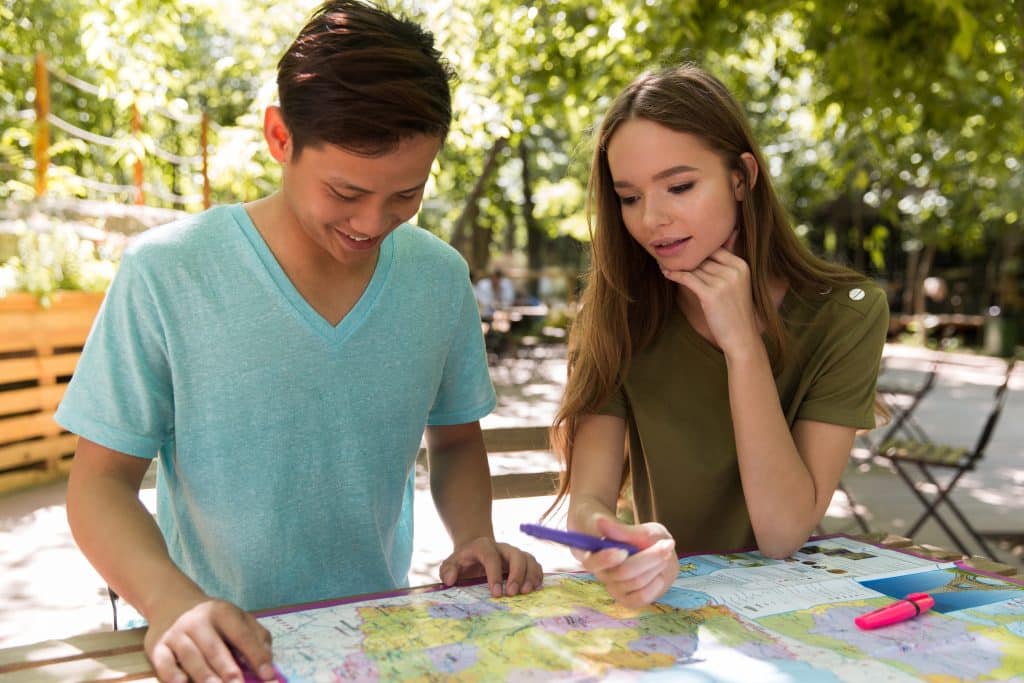
Why Cultural Awareness Matters in Travel
Cultural awareness helps reduce misunderstandings, fosters respect, and enriches the travel experience. The World Tourism Organization (UNWTO, 2024) reported that destinations promoting cultural sensitivity saw higher traveler satisfaction and stronger community support. Respectful engagement also helps avoid unintentional offenses that can harm relationships or perpetuate stereotypes. With globalization and social media making cultural interactions more visible than ever, being mindful is no longer optional—it’s an expectation for responsible travel.
Trend 1: Pre-Trip Cultural Education
Travelers are increasingly preparing before they even leave home. Apps, online courses, and guidebooks now focus on teaching local etiquette, greetings, and cultural dos and don’ts. For example, knowing that in Japan it’s customary to remove shoes before entering a home, or that in parts of the Middle East it’s polite to accept tea when offered, prevents awkward situations. According to a 2024 Expedia survey, 68% of travelers said they researched cultural practices before traveling, a sharp increase from previous years.
Trend 2: Language Tools for Deeper Connection
Language is a gateway to cultural understanding. In 2025, AI-driven translation tools make it easier than ever to learn and use local phrases. Apps like Google Translate, iTranslate, and Pocketalk now offer near-real-time translation with improved accuracy. Even learning just a few basic greetings shows respect and can create positive interactions. Studies published in the Journal of Cross-Cultural Psychology (2024) found that travelers who made efforts to use local languages reported more meaningful connections with residents compared to those who relied only on English.
Trend 3: Community-Based Tourism
Community-based tourism (CBT) has become one of the strongest approaches to enhancing cultural awareness. Instead of large, impersonal tours, CBT emphasizes smaller groups, local guides, and immersive experiences. This might include staying in homestays, joining cooking classes hosted by residents, or participating in cultural festivals. A 2024 report by the Global Sustainable Tourism Council found that CBT not only benefits travelers but also ensures economic opportunities remain within local communities. These experiences create authentic connections while reinforcing the importance of respect and reciprocity.
Trend 4: Sustainable and Respectful Travel Practices
Cultural awareness extends beyond social etiquette—it includes respecting the environment and heritage sites. In destinations like Machu Picchu or Angkor Wat, overtourism has raised concerns about cultural and ecological damage. In response, travelers are adopting practices like booking timed entries, respecting photography rules, and avoiding disruptive behavior in sacred sites. According to UNESCO (2024), destinations that introduced stricter visitor guidelines saw improvements in cultural site preservation and community cooperation. Responsible tourism ensures future generations can continue to enjoy and learn from these cultural treasures.
Trend 5: Food as a Cultural Gateway
Exploring food traditions is one of the easiest and most enjoyable ways to understand a culture. In 2025, travelers are opting for local food tours, cooking workshops, and street food exploration guided by residents. This trend not only enhances awareness of cultural diversity but also supports small businesses. Research from the World Food Travel Association (2024) showed that 73% of travelers consider culinary experiences a primary reason for choosing destinations. Food offers insight into history, social customs, and regional identity, making it a vital part of cultural travel planning.
Trend 6: Technology That Promotes Cultural Awareness
Technology is transforming cultural travel planning. Virtual reality previews allow travelers to learn about destinations before visiting, while AI-powered apps suggest culturally appropriate activities. Platforms like Culture Trip and WithLocals curate itineraries based on cultural sensitivity, promoting local guides and experiences. A 2025 Deloitte report noted that digital tools emphasizing cultural education and ethical travel saw a 40% increase in user engagement. The rise of these tools highlights the role of technology in shaping respectful travel habits.
Trend 7: Slow Travel and Deeper Immersion
Rather than racing through multiple cities, travelers are adopting slow travel as a way to engage more meaningfully. Staying longer in one location allows for deeper cultural immersion, including participation in local events, volunteering, or learning traditional crafts. The Slow Travel Movement has grown steadily, with a 2024 survey by Booking.com finding that 52% of travelers planned extended stays in single destinations to gain more authentic experiences. This trend reduces environmental impact and builds stronger cultural understanding.
Trend 8: Voluntourism with Ethical Standards
Volunteering while traveling can be rewarding, but it must be done responsibly. In 2025, ethical voluntourism programs emphasize skills-based contributions and collaboration with local organizations. This avoids harmful practices like short-term orphanage volunteering, which has been criticized for exploitation. Responsible voluntourism not only enhances cultural awareness but also ensures that efforts are aligned with community needs. Transparency, long-term partnerships, and sustainability are key in this evolving travel trend.
Practical Travel Planning Tips That Enhance Cultural Awareness
- Research cultural etiquette before departure, including greetings, gestures, and dining norms.
- Learn at least five key phrases in the local language to show respect.
- Choose community-based tours and experiences led by local guides.
- Support local businesses by eating at family-owned restaurants and shopping at local markets.
- Respect cultural and religious sites by following dress codes and photography rules.
- Use digital tools like VR or cultural apps to prepare before arrival.
- Plan for longer stays in fewer locations to allow deeper immersion.
- Practice sustainable travel habits, including waste reduction and responsible water use.
- Be open to new experiences, even if they feel outside your comfort zone.
- Approach every interaction with humility and curiosity rather than assumption.
Conclusion: Travel as a Bridge for Cultural Understanding
Travel planning tips that enhance cultural awareness are not just about avoiding mistakes—they are about creating opportunities for genuine connection, respect, and shared learning. In 2025, trends like community-based tourism, slow travel, and language integration highlight the global shift toward meaningful and responsible travel. By embracing these practices, travelers can move beyond surface-level tourism and instead become participants in cultural exchange. This approach benefits both visitors and the communities they engage with, ensuring travel continues to be a bridge rather than a barrier.
References
- Change of tourism organizations: https://pmc.ncbi.nlm.nih.gov
- Cultural Tourism: A review of recent research and trends, https://www.researchgate.net
- Attitudes towards machine translation and languages among travelers, https://link.springer.com

 Unlocking Secrets of Collagen for Healthy Skin


