


Steps to Optimize Your Home for Smart Living
Olivia Carter September 18, 2025
The concept of smart living is no longer just a futuristic idea—it’s quickly becoming a reality for millions of homeowners. Thanks to rapidly advancing technology, transforming your home into a connected, intelligent environment is easier than ever. With features ranging from voice-controlled systems to energy-efficient devices, optimizing your home for smart living can improve convenience, security, and even save money in the long run.
This article will walk you through the best ways to optimize your home for smart living in 2025. We’ll highlight the latest trends and technologies that are shaping the smart home experience.
1. Start with a Smart Hub
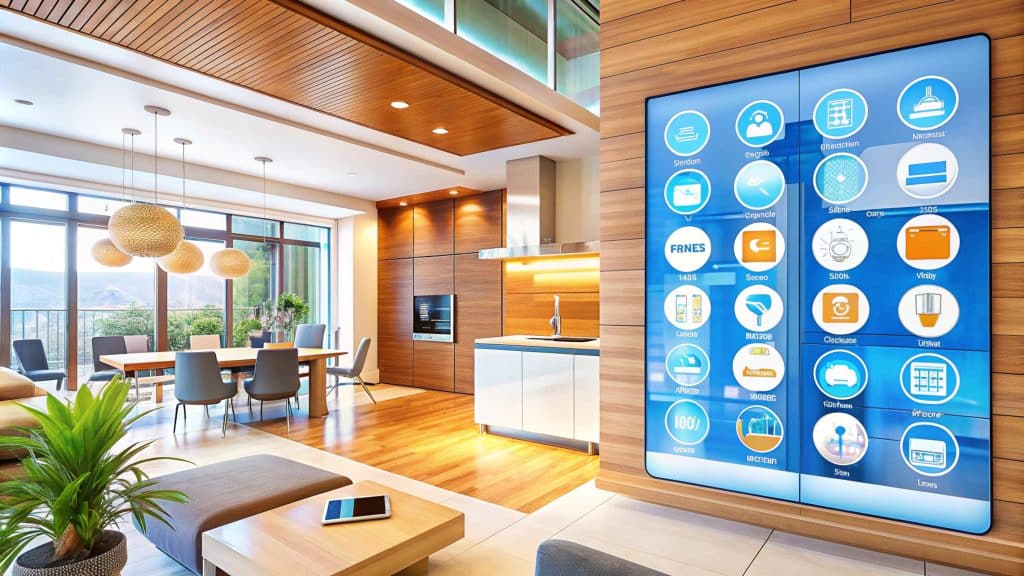
A smart home hub is the backbone of any smart living setup. It centralizes control of your various devices—like lights, locks, thermostats, and more—so that you can manage everything from one interface. Popular hubs like Amazon Alexa, Google Assistant, and Apple HomeKit work seamlessly with smart devices, making it easier to create an integrated home.
Popular Smart Hubs:
- Amazon Echo: Alexa integrates with most smart devices, allowing voice control and automation from a single platform.
- Google Nest Hub: Google Assistant offers a user-friendly experience for controlling devices and offers robust smart home integration.
- Apple HomePod Mini: Great for Apple enthusiasts, this hub works well with other Apple devices and offers solid performance with voice commands.
Why It’s Important:
A smart hub is essential for simplifying and streamlining your smart home experience. Instead of juggling multiple apps, a hub lets you control everything in one place. Whether you’re adjusting your thermostat, checking security cameras, or turning off the lights, a smart hub is the foundation of smart living.
2. Enhance Your Home Security
Security is one of the most critical aspects of any home, and with the rise of smart technology, security systems are becoming more efficient and accessible. Smart security systems offer features such as remote monitoring, facial recognition, motion sensors, and instant alerts, making it easier than ever to monitor your home.
Best Smart Security Options:
- Ring Video Doorbell: See and talk to visitors from anywhere. The motion-activated alerts help you stay informed even when you’re not home.
- Arlo Pro 4: A high-definition camera system that works in any light and integrates with most smart home systems.
- August Smart Lock: A keyless entry system that gives you complete control over who enters your home.
Why It’s Beneficial:
Smart security systems are invaluable for keeping your home safe, even when you’re away. These systems provide real-time alerts, live video streaming, and remote access, ensuring that you can always monitor your home’s security. They can even notify you of suspicious activity, giving you peace of mind while you’re out.
3. Automate Your Lighting
Smart lighting is one of the easiest ways to enhance your home’s automation while saving energy. You can control your lights remotely, set timers for them to turn on and off, or even adjust the brightness and color to fit your mood. Moreover, smart lighting can integrate with your smart hub for easier control.
Popular Smart Lighting Systems:
- Philips Hue: Offers bulbs that can change color and be controlled via app or voice assistant.
- LIFX Smart Bulbs: Known for vibrant colors, these bulbs connect directly to your Wi-Fi and require no hub.
- Kasa Smart Plug: Transform any lamp into a smart light with this plug, allowing you to schedule and control the light remotely.
Why It’s Useful:
Not only does smart lighting improve the ambiance in your home, but it can also reduce energy consumption. For instance, you can set your lights to turn off when you leave the house or automatically dim at night. Additionally, many systems have “vacation modes” that simulate your presence when you’re away, adding a layer of security.
4. Prioritize Energy Efficiency
Smart living isn’t just about convenience—it’s also about sustainability. Smart energy management systems can optimize heating, cooling, and electricity usage in your home, which can lead to cost savings and reduced environmental impact.
Top Energy-Efficient Smart Devices:
- Nest Thermostat: This thermostat adapts to your preferences and adjusts the temperature accordingly, saving energy while keeping your home comfortable.
- Ecovacs Deebot X1 Omni: A smart robotic vacuum that learns your home’s layout, reducing energy consumption while keeping your space clean.
- Sense Energy Monitor: Tracks energy usage and identifies areas where you can improve efficiency, helping you reduce your electricity bill.
Why It’s Important:
Energy-efficient devices are not only better for the environment—they can also save you money. Smart thermostats, for example, learn your habits and adjust the temperature in real-time, while smart plugs and appliances let you monitor and control your energy use. Over time, these small adjustments add up, both financially and ecologically.
5. Make Entertainment Smarter
As entertainment technology evolves, the integration of smart devices is transforming how we enjoy movies, music, and television in our homes. Smart TVs, sound systems, and streaming devices all enable more convenient and customizable experiences.
Must-Have Entertainment Devices:
- Samsung Smart TV: With built-in voice control, easy streaming options, and AI-driven recommendations, this smart TV offers an exceptional viewing experience.
- Sonos Sound System: Known for superior sound quality, Sonos integrates with your smart hub and allows you to create a customized audio setup.
- Amazon Fire TV Stick: This affordable device turns any regular TV into a smart TV and offers access to a variety of streaming platforms.
Why It’s Popular:
Smart entertainment devices make media consumption more convenient and enjoyable. You can stream content from multiple platforms, customize your audio settings, and adjust the viewing experience without needing to leave the couch. These systems also offer advanced features such as voice control, personalized recommendations, and integration with other smart devices in your home.
6. Integrate Voice Assistants
Voice assistants like Amazon Alexa, Google Assistant, and Apple Siri are an essential part of many smart homes. These assistants allow you to control various smart devices, set reminders, check the weather, and answer questions—all with your voice.
Benefits of Voice Assistants:
- Hands-Free Control: Easily control your smart devices without lifting a finger.
- Integration: These assistants work seamlessly with other devices, making it easy to manage everything from one platform.
- Personalized Experience: Over time, they learn your preferences and adapt to your needs.
Why They’re Useful:
Voice assistants streamline the entire smart home experience, allowing for hands-free control of your devices. Whether you need to adjust the thermostat, lock your doors, or turn off the lights, voice assistants make your home smarter and more intuitive.
Conclusion
The future of smart homes is bright, with more opportunities than ever to optimize your living space. From home security and energy efficiency to entertainment and lighting, there are countless ways to make your home smarter in 2025. By integrating the latest smart home technologies, you can enhance your convenience, security, and sustainability while reducing energy consumption.
The key to building your smart home is to start with the basics—smart hubs and energy-efficient devices—and build from there. With the right combination of technology and creativity, you can create a truly smart, connected home that meets all your needs.
References
- AI-Integrated Smart Devices- https://www.theaustralian.com.au
- Advanced Home Security- https://www.tomsguide.com
- Smart Home Interoperability- https://www.theverge.com

 Travel Experiences That Enhance Cultural Appreciation


