


Travel Experiences That Enhance Cultural Appreciation
Amelia Johnson September 18, 2025
In today’s globalized world, travel is no longer just an escape—it’s a way to connect with different cultures. With the rise of immersive travel experiences, many are finding new ways to not only explore the world but also deepen their understanding of its diverse cultures. As we explore the latest trends in travel, we see how cultural appreciation is now at the forefront of the modern travel experience.
This article will delve into the travel experiences that are enhancing cultural appreciation, showcasing how new trends and technologies are reshaping the way we engage with the world.
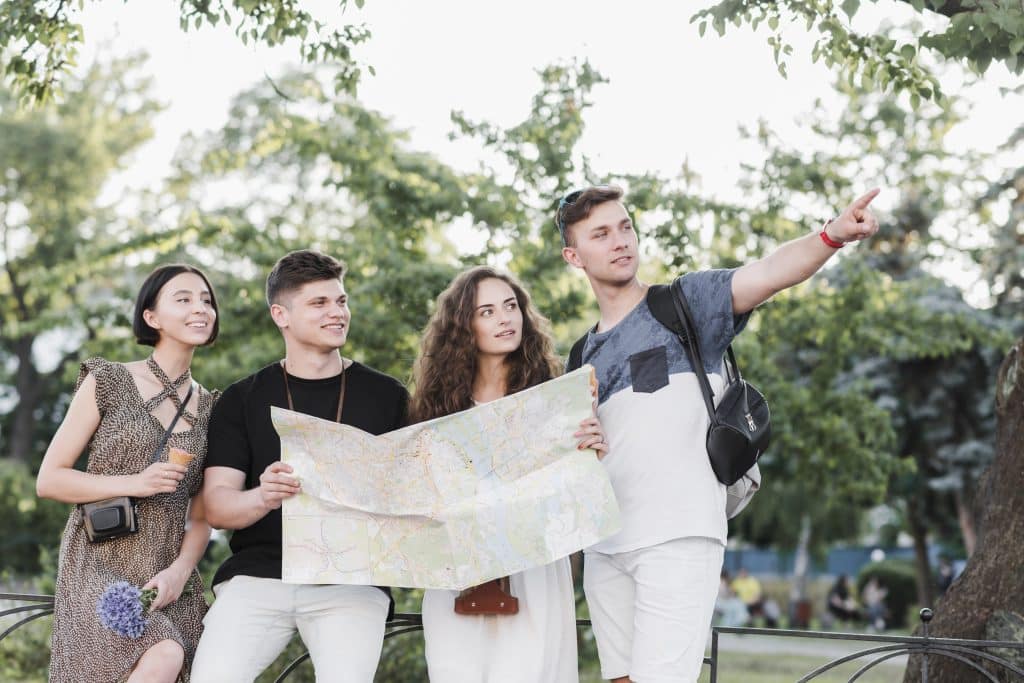
The Shift Towards Immersive Cultural Travel
Travelers today are looking for more than just sightseeing. They’re seeking to immerse themselves in the local culture, interacting with communities on a deeper level. According to the World Tourism Organization (UNWTO), over 80% of travelers now prefer experiences that offer cultural insights over traditional sightseeing.
Types of Immersive Travel Experiences:
- Local Cooking Classes and Culinary Experiences
Cooking classes are a great way to engage with local culture. They offer hands-on experiences where travelers can learn about the ingredients, history, and techniques behind a country’s cuisine. From making sushi in Japan to preparing paella in Spain, food-based activities open the door to cultural understanding. - Homestays and Community-based Tourism
Staying with local families provides a firsthand look at daily life. Homestays allow travelers to immerse themselves in the customs and traditions of the local community. This type of lodging offers more than a place to sleep—it fosters an authentic connection with the culture. - Cultural Festivals and Celebrations
Festivals are an exciting way to learn about a culture. From Diwali in India to the Carnival in Brazil, these celebrations are filled with music, dance, and art. Participating in local festivals allows travelers to see how cultural values and traditions are expressed through fun and festivity.
The Role of Technology in Cultural Exploration
As technology continues to evolve, it’s opening up new ways for travelers to connect with cultures. Virtual reality (VR) and augmented reality (AR) are among the latest tools enhancing cultural experiences, allowing travelers to explore distant places from their living rooms.
How Technology Enhances Cultural Travel:
- Virtual Reality Cultural Tours
Virtual tours offer travelers a chance to experience cultural landmarks and museums without stepping foot outside. Through VR, travelers can explore the Louvre in Paris or visit the Great Wall of China, gaining an immersive experience in the comfort of their own home. - Language Learning Apps
Understanding the local language is one of the most important aspects of cultural appreciation. Language apps like Duolingo and Babbel are helping travelers learn key phrases and understand local dialects. These apps also provide cultural context, making it easier to communicate and engage in conversations with locals. - Social Media and Digital Communities
Instagram, TikTok, and YouTube are also transforming cultural travel. Travelers can follow local influencers and content creators, getting an insider’s perspective on the culture. These platforms foster cultural exchange, allowing users to explore traditions, art, and local insights from the people who know them best.
Volunteering and Purposeful Travel
Purposeful travel has become an increasingly popular way to make a difference while exploring new places. Volunteer tourism, or “voluntourism,” allows travelers to engage with local communities and contribute to positive social change. By volunteering, travelers gain a deeper understanding of local issues and are able to make a tangible impact on the communities they visit.
Types of Volunteer Travel Opportunities:
- Community Development Projects
Many organizations offer volunteer opportunities focused on community development, such as building schools, providing healthcare, or assisting with disaster relief. These projects give travelers an opportunity to directly contribute to the community’s well-being while learning about its challenges and needs. - Environmental and Wildlife Conservation
Environmental conservation projects allow travelers to participate in preserving nature and wildlife. By volunteering with organizations like Earthwatch or Global Vision International, travelers can contribute to protecting the environment while learning about the local ecosystem. - Cultural Heritage Preservation
Preserving local culture is another important aspect of voluntourism. Volunteers can help protect indigenous languages, crafts, and traditions from disappearing. Many programs offer travelers the chance to work alongside indigenous communities to preserve their cultural heritage.
Slow Travel and Sustainable Tourism
Another growing trend in cultural travel is “slow travel.” Unlike traditional tourism, slow travel emphasizes taking time to explore a single destination and immerse oneself in the culture. By avoiding the rush to see everything at once, slow travelers can build deeper relationships with locals and gain a more authentic experience.
The Benefits of Slow Travel:
- More Time for Cultural Exploration
Slow travelers spend extended periods in one place, allowing them to get to know the community and engage in local activities. This gives them a better understanding of the culture and offers the opportunity to explore beyond the typical tourist attractions. - Supporting Local Economies
Slow travel also supports the local economy by encouraging travelers to spend money in locally-owned businesses, such as cafes, shops, and guesthouses. This ensures that the benefits of tourism reach the people who need it most. - Eco-Friendly and Sustainable Practices
Slow travel often promotes environmentally-friendly travel practices, such as cycling, walking, or taking trains. These modes of transport have a lower carbon footprint than flying, helping to reduce the impact of travel on the environment.
Conclusion
As cultural travel continues to evolve, it is becoming more meaningful and immersive. With the help of new technologies, volunteering opportunities, and a shift toward slow travel, travelers can gain deeper insights into the cultures they visit while also making a positive impact. By embracing these trends, travelers can enhance their cultural appreciation and contribute to global understanding.
As the world becomes more interconnected, the opportunities to engage with diverse cultures are endless. Whether it’s through food, festivals, or volunteer work, cultural travel offers a unique chance to foster empathy and broaden perspectives. With the rise of immersive technologies and purposeful travel, the future of cultural exploration looks more exciting than ever.
References
- UNWTO World Tourism Barometer – January 2025- https://en.unwto-ap.org
- Skyscanner Report on Indian Travelers’ Preferences- https://timesofindia.indiatimes.com
- CyArk’s 3D Virtual Tours- https://tapestry.cyark.org

 How Nutrition Influences Long-Term Cognitive Health


