


Nutrition Habits That Support Brain Health
Benjamin Scott October 1, 2025
Modern life demands constant mental focus. Between work deadlines, multitasking, and the steady flow of information, many people look for ways to sharpen their concentration and protect their memory. One of the most effective yet overlooked strategies is nutrition. In 2025, nutrition habits that support brain health have become a leading topic in wellness and medical research. Scientists are discovering new ways in which diet affects memory, mood, focus, and resilience against age-related decline.
This article explores the emerging trends in brain-healthy nutrition, explains why food choices matter for cognitive performance, and offers practical tips to turn research into daily habits.
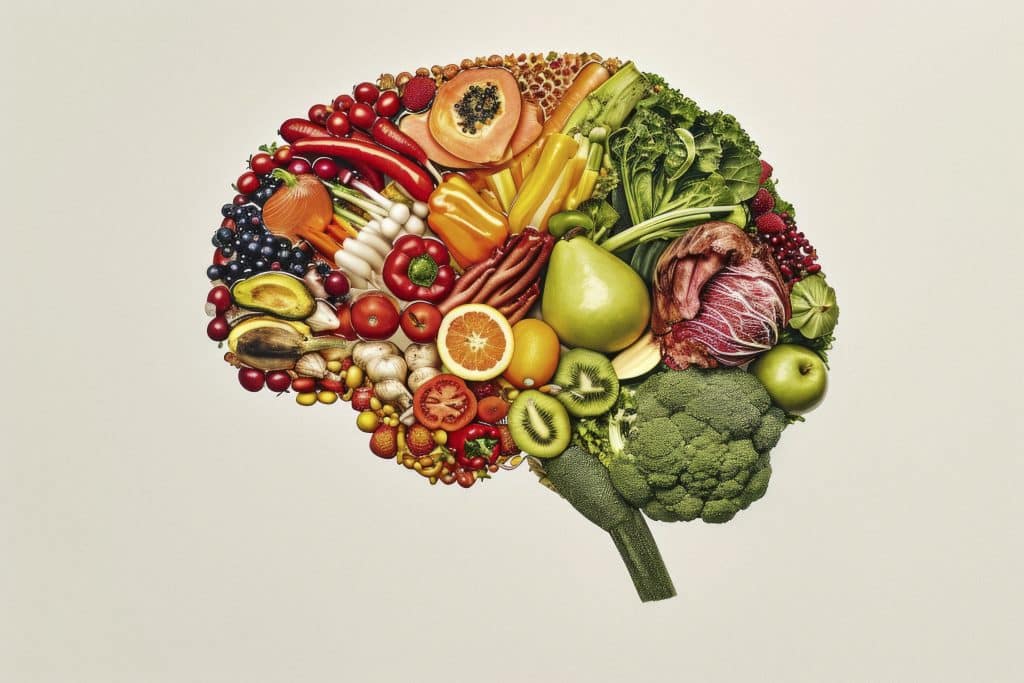
Why Nutrition Shapes Brain Function
The brain makes up only 2% of body weight, but it consumes about 20% of the body’s energy. It is highly sensitive to the quality of nutrients it receives. Diets high in processed food, refined sugar, and unhealthy fats increase oxidative stress and inflammation, which can impair memory and mood. Over time, these factors raise the risk of conditions such as dementia and Alzheimer’s disease.
On the other hand, nutrient-rich diets supply antioxidants, omega-3 fatty acids, and vitamins that support neuron growth, repair, and communication. These nutrients improve blood flow, reduce inflammation, and promote neuroplasticity—the brain’s ability to adapt and form new connections. In short, what you eat directly influences how effectively your brain functions.
The MIND Diet: A Brain-Focused Approach
One of the most discussed nutrition patterns for brain health is the MIND diet. It blends principles of the Mediterranean and DASH diets but emphasizes foods shown to support cognitive resilience. Studies suggest that those who closely follow the MIND diet may experience slower rates of cognitive decline and lower risks of Alzheimer’s disease.
The diet highlights:
- Green leafy vegetables
- Other vegetables
- Berries, especially blueberries
- Nuts
- Beans and legumes
- Whole grains
- Olive oil
- Fish, particularly fatty fish rich in omega-3s
- Poultry
It also recommends limiting butter, cheese, fried food, sweets, and red meat. Because it focuses on foods accessible in everyday meals, the MIND diet provides a practical, sustainable way to support brain function without rigid restrictions.
Functional Nutrients and Brain Supplements
Another growing trend in 2025 is using targeted nutrients and supplements to enhance brain health. While food should always come first, certain nutrients are receiving extra attention:
- Omega-3 fatty acids (DHA and EPA): Support neuron structure and reduce inflammation.
- B vitamins (B6, B12, folate): Help regulate homocysteine, a compound linked to cognitive decline when levels are high.
- Polyphenols and flavonoids: Found in berries, green tea, dark chocolate, and turmeric; they protect neurons against oxidative stress.
- Adaptogens and nootropic herbs: Compounds like lion’s mane mushroom and ginkgo biloba are being researched for subtle cognitive benefits.
Some people practice “microdosing” by taking small, consistent amounts of these nutrients in combination. While more research is needed, this personalized approach reflects a shift toward precision nutrition.
Timing Matters: Intermittent Fasting and Circadian Nutrition
It’s not only about what you eat, but also when you eat. Researchers are investigating how meal timing impacts the brain. Intermittent fasting and time-restricted eating show potential benefits for brain health, including improved metabolic efficiency, enhanced cellular repair, and increased resilience against stress.
Aligning eating patterns with the body’s circadian rhythms also appears promising. Consuming more calories earlier in the day rather than late at night may support both metabolic and cognitive health. Although the science is still developing, this trend is shaping how people think about the role of timing in nutrition.
Building Everyday Nutrition Habits for Brain Health
Adopting brain-healthy nutrition doesn’t require perfection. The goal is to make sustainable shifts that consistently supply the brain with what it needs. Here are practical habits to consider:
- Adopt a MIND-style plate
Prioritize vegetables, whole grains, legumes, and healthy fats at each meal. Use red meat and sweets only occasionally. - Eat brain-boosting staples daily
Include leafy greens, nuts, beans, berries, and a source of omega-3s in your routine. Rotating these foods prevents monotony and broadens nutrient intake. - Reduce inflammatory foods
Cut back on processed snacks, sugary drinks, fried foods, and excessive saturated fat. These foods can accelerate brain aging. - Stay hydrated
Even mild dehydration can affect focus and short-term memory. Keep water accessible throughout the day. - Be mindful of meal timing
Avoid heavy dinners late at night and consider leaving a 12–14-hour gap between dinner and breakfast to support natural repair processes. - Use supplements strategically
Supplements can help fill nutritional gaps, but they should complement—not replace—a whole-food diet. Always consult a healthcare provider before adding them. - Track your progress
Keep a journal noting your meals, mood, focus, and energy. Over time, this will help identify which habits have the greatest impact.
Research Highlights
- Studies have shown that Mediterranean-style diets are linked to reduced risk of dementia and cognitive decline.
- Adherence to the MIND diet has been associated with slower memory loss, even in older adults.
- Higher intake of omega-3 fatty acids is consistently linked to better memory performance and lower inflammation markers.
- Polyphenol-rich foods like berries and dark chocolate have been shown to improve blood flow to the brain.
These findings strengthen the case for treating diet as a primary tool in protecting brain health.
Challenges and Considerations
Despite the evidence, there are challenges. Many studies are observational, which makes it difficult to prove cause and effect. Individual responses to diet can also vary. Supplements carry risks if misused or combined with medications. And, importantly, nutrition is only one piece of the puzzle. Exercise, sleep, stress management, and social connection are equally essential for cognitive resilience.
The Future of Brain Nutrition
The next frontier is personalized brain nutrition. Advances in genetics and biomarker testing may soon allow diets to be tailored to an individual’s unique needs. Companies are already developing apps that track dietary intake and cognitive performance, creating real-time feedback loops. At the same time, food and beverage industries are expanding products that promote brain health, from nootropic coffees to functional snack bars.
As science advances, one truth remains clear: consistent nutrition habits lay the foundation for a healthy, adaptable brain.
Conclusion
Supporting cognitive performance is no longer just about mental exercises or brain games. Nutrition plays an undeniable role in shaping memory, focus, and long-term resilience. From the MIND diet to functional nutrients, meal timing, and hydration, simple daily choices can have profound impacts over time. In 2025 and beyond, nutrition habits that support brain health will remain a vital part of how individuals approach both wellness and longevity.
References
- Omega-3 Fatty Acids: An Essential Contribution- https://nutritionsource.hsph.harvard.edu
- National Institutes of Health (NIH). Antioxidants: In Depth– https://www.nccih.nih.gov
- American Psychological Association. The Gut-Brain Connection– https://www.apa.org

 DIY Home Projects That Enhance Comfort


