


DIY Home Projects That Enhance Comfort
Amelia Johnson October 1, 2025
In 2025, homeowners are rethinking the way they approach living spaces. Comfort has become a top priority, but it’s no longer limited to plush furniture or simple décor. Instead, DIY home projects that enhance comfort are trending, combining functionality, wellness, and sustainability. From smart home integrations to eco-friendly upgrades, people are turning their homes into personalized sanctuaries that reflect modern lifestyles.
The rise of hybrid work models, increased energy costs, and growing interest in sustainable living have all contributed to this shift. Home improvement is no longer about resale value alone—it’s about making everyday living more enjoyable, healthier, and more efficient. This article explores the most popular DIY projects that enhance comfort in 2025, highlights emerging trends, and provides practical tips for homeowners ready to start their own.
Why Comfort Matters in Home Design
Comfort impacts everything from productivity to mental health. Studies suggest that people spend more than 90% of their time indoors, meaning that even small adjustments to temperature, lighting, or layout can influence well-being in significant ways. Unlike large-scale renovations, DIY home projects that enhance comfort are accessible, affordable, and customizable.
By blending aesthetics with practicality, these projects create living environments where people feel calmer, more energized, and more in control of their surroundings. Comfort isn’t a luxury—it’s a foundation for better quality of life.
Top DIY Home Projects That Enhance Comfort
1. Smart Climate Control
Temperature and air quality are central to comfort. In 2025, smart thermostats and DIY-friendly climate tools are widely adopted. These devices adjust heating and cooling based on daily routines, learning homeowner preferences over time. Many also track humidity and air quality, creating healthier environments.
DIY tip:
- Install a smart thermostat that syncs with your phone for remote adjustments.
- Add smart vents that regulate airflow to different rooms for better comfort without major HVAC upgrades.
2. DIY Soundproofing Solutions
Noise pollution is a growing issue, especially in urban environments. More homeowners are embracing DIY soundproofing to improve rest and focus. Popular methods include acoustic panels, weatherstripping, and even upcycled rugs used as wall décor.
DIY tip:
- Apply peel-and-stick acoustic tiles to walls or ceilings in high-noise areas.
- Use door sweeps and window seals to reduce outside noise while improving energy efficiency.
3. Natural Light and Circadian Lighting
Light influences mood, productivity, and sleep. Homeowners are experimenting with both natural light enhancements and circadian-friendly smart lighting systems. These systems adjust brightness and color tones throughout the day, mimicking natural sunlight to regulate the body’s internal clock.
DIY tip:
- Replace heavy curtains with light-filtering shades to increase natural light.
- Use smart LED bulbs that shift from cool morning light to warm evening tones automatically.
4. Indoor Greenery and Biophilic Design
Houseplants are no longer just decorative. They improve air quality, reduce stress, and add vibrancy to living spaces. Biophilic design—integrating nature into interiors—is a growing DIY trend that enhances comfort in subtle but impactful ways.
DIY tip:
- Build a vertical wall garden with modular planters.
- Add low-maintenance plants like snake plants or pothos in bedrooms and offices.
5. Multifunctional Furniture and Space Optimization
With many households balancing work, leisure, and family time in the same space, comfort often depends on flexibility. DIY furniture projects, such as fold-out desks, modular shelving, or under-bed storage, help maximize available space.
DIY tip:
- Create a fold-down desk from reclaimed wood for small workspaces.
- Add rolling storage units that can be moved between rooms.
6. Energy-Efficient Comfort Upgrades
Rising energy costs are pushing homeowners toward DIY projects that save money while boosting comfort. Weatherproofing, insulating, and upgrading windows are popular choices that not only regulate indoor temperature but also lower utility bills.
DIY tip:
- Apply window film to reduce heat gain in summer.
- Use spray foam or weatherstripping to seal air leaks around doors and windows.
7. Personalized Relaxation Zones
Comfort isn’t just physical—it’s also emotional. Homeowners are carving out small “comfort corners” designed for relaxation, whether through meditation, reading, or creative hobbies.
DIY tip:
- Add a reading nook with floor cushions and layered lighting.
- Create a spa-like bathroom retreat with essential oil diffusers and upgraded showerheads.
Emerging Trends in DIY Comfort Projects
Sustainable Comfort
Eco-friendly upgrades are increasingly tied to comfort. Reclaimed wood furniture, non-toxic paints, bamboo flooring, and DIY composting stations not only make homes healthier but also align with sustainable living goals. Many homeowners now see comfort as something that extends beyond personal well-being to environmental responsibility.
Smart Integration
Beyond thermostats, more DIYers are exploring connected devices that enhance comfort—from automated blinds that adjust with the sun’s movement to smart air purifiers that track allergens in real time. Integration with voice assistants makes it easier than ever to control lighting, temperature, and sound from one place.
Wellness-Centered Design
The line between home design and wellness continues to blur. DIYers are focusing on ergonomic furniture, air purification, and even DIY hydroponic gardens to combine health with daily living. The rise of wellness-focused home gyms, complete with DIY yoga studios or meditation alcoves, highlights the growing emphasis on holistic comfort.
Tech-Enhanced Relaxation
Wearable devices that track stress and sleep are influencing how people design their homes. DIYers are now creating spaces that respond to health data, whether through calming lighting setups, air quality sensors, or smart diffusers. Comfort in 2025 is increasingly data-driven.
Practical Tips for Getting Started
- Start small: Choose a single project, like upgrading lighting or sealing drafty windows, to build momentum.
- Budget wisely: Comfort projects don’t need to be expensive—many upgrades are under $200 and can still have a big impact.
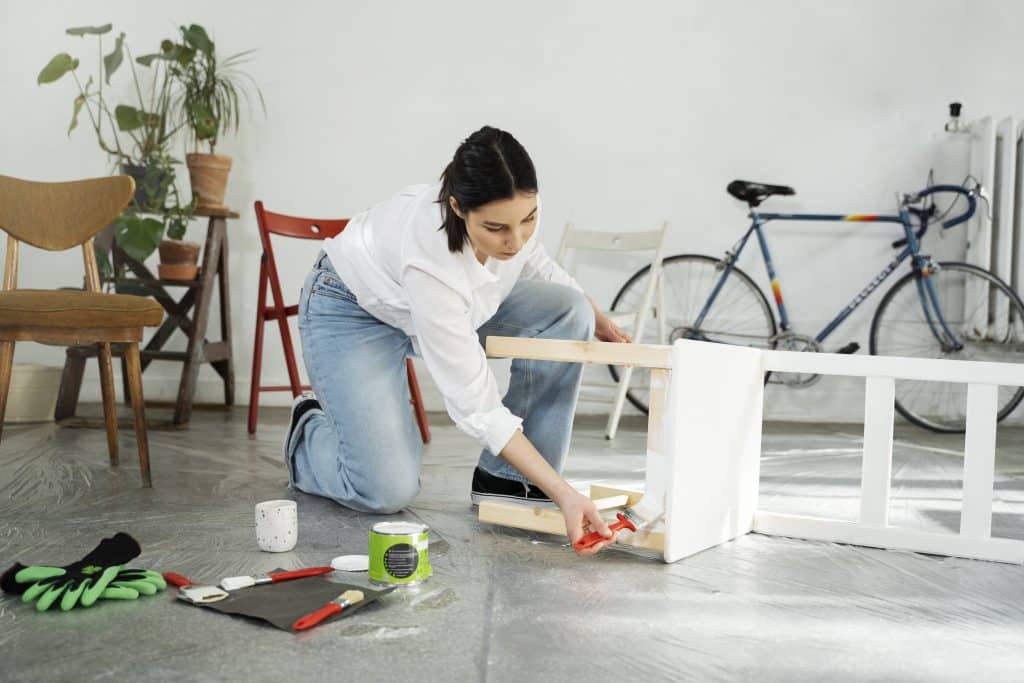
- Use what you have: Repurpose materials before buying new supplies. An old ladder can become a plant stand, or leftover wood can be transformed into shelving.
- Focus on one room at a time: Transforming a single space, such as a bedroom or office, can inspire gradual upgrades throughout the home.
- Learn from the community: Online platforms, local workshops, and DIY communities provide step-by-step guides and shared inspiration for nearly every project.
- Prioritize impact: Focus first on projects that improve comfort daily, like better lighting, insulation, or ergonomic setups.
- Mix trends with personal style: While smart devices and eco-friendly upgrades are popular, the most comfortable homes are those that reflect the personalities of their owners.
Conclusion
In 2025, DIY home projects that enhance comfort are at the intersection of wellness, sustainability, and technology. From smart climate control to biophilic design, these projects empower homeowners to create spaces that feel better to live in every day.
Unlike large-scale renovations, these improvements are approachable, practical, and designed to make homes feel more personal. As more people spend time indoors, the trend of transforming living spaces into comfort-focused environments will only grow stronger.
Comfort has become less about luxury and more about thoughtful design, smart integration, and sustainable living. By starting with small changes—like adding plants, adjusting lighting, or improving insulation—homeowners can build a more comfortable and supportive environment for the future. The most exciting part is that these projects are within reach, giving everyone the ability to shape their homes into places where they feel their best.
References
- Tips to Save Energy & Money at Home- https://www.energy.gov
- Environmental Protection Agency. Indoor Air Quality.– https://www.epa.gov
- American Society of Interior Designers. Biophilic Design in the Home.– https://www.asid.org

 Smart Finance Tools That Simplify Budgeting


