


Interior Decor Ideas That Maximize Natural Light
Amelia Johnson October 1, 2025
Natural light has become one of the most sought-after design features in modern interiors. With rising awareness of how light influences mood, productivity, and energy efficiency, homeowners and designers are rethinking how spaces are built and decorated. Today, interior decor ideas that maximize natural light are not just about aesthetics—they are about creating healthier, more sustainable living environments.
A 2023 study published in Building and Environment found that access to natural light reduces stress, improves sleep quality, and enhances focus. Similarly, the American Institute of Architects reported a surge in demand for light-filled interiors, especially in urban apartments and compact homes. As natural light design continues to trend, creative solutions are emerging that allow even small or shaded spaces to feel brighter, airier, and more connected to the outdoors.
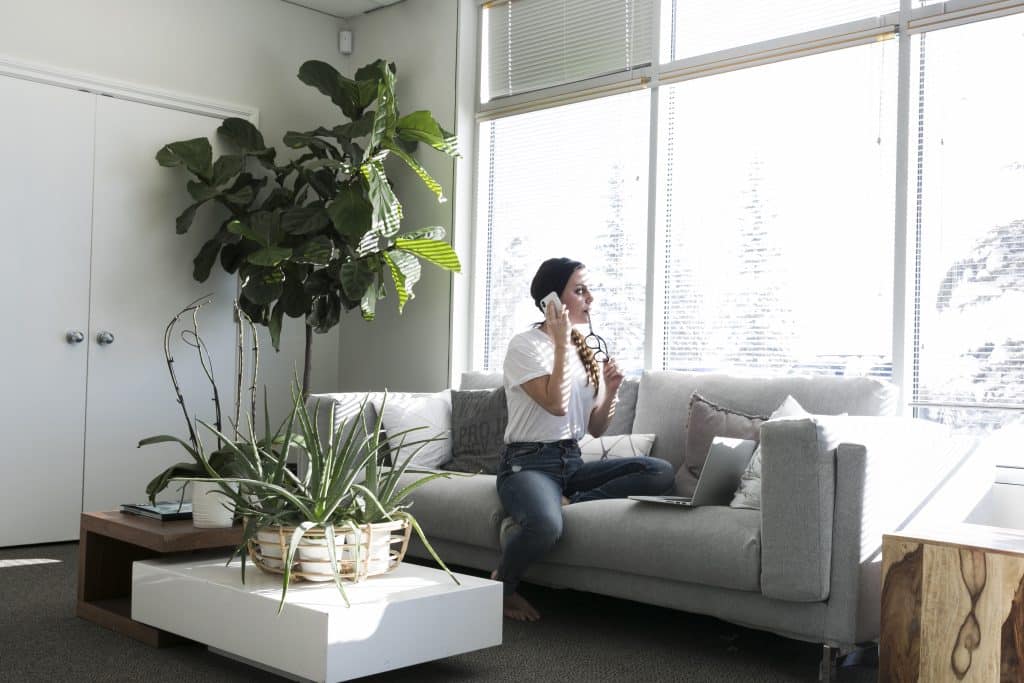
Why Maximizing Natural Light Matters
Natural light does more than make a room look inviting. It has tangible benefits for physical and mental well-being. Exposure to daylight helps regulate circadian rhythms, which in turn improves sleep and reduces fatigue. Studies from Harvard Medical School highlight that individuals with greater daylight exposure report higher productivity and better mood regulation.
In addition to health benefits, natural light also contributes to sustainability. Homes that maximize daylight reduce dependence on artificial lighting, cutting down energy consumption and lowering utility bills. This dual benefit—supporting well-being while reducing carbon footprint—explains why interior decor ideas that maximize natural light are gaining attention among designers, architects, and homeowners.
Trend 1: Larger Windows and Minimal Frames
Expansive windows are one of the most effective ways to increase daylight indoors. Current design trends favor large, floor-to-ceiling windows with slim or frameless profiles. This minimizes obstructions and allows maximum sunlight to enter. Modern glass technologies also ensure energy efficiency by reducing heat gain while letting light through.
For urban spaces where privacy is a concern, frosted glass or sheer curtains can soften light without blocking it completely. Window placement also matters: south-facing windows generally bring the most consistent daylight, while skylights can brighten darker areas of the home.
Trend 2: Lighter Color Palettes
Colors play a major role in reflecting or absorbing light. Lighter shades, especially whites, creams, and soft neutrals, reflect natural light effectively, making rooms feel more spacious and radiant. On the other hand, darker colors absorb light, which can make spaces feel smaller or dimmer.
A popular emerging trend is using “warm whites” rather than stark white. Warm tones reflect daylight beautifully while keeping interiors from feeling cold or sterile. Pairing these with natural textures like wood or linen adds warmth and balance.
Practical tip:
- Paint ceilings a lighter shade than walls to bounce light downward.
- Use glossy or satin finishes on surfaces to enhance reflectivity without glare.
Trend 3: Mirrors and Reflective Surfaces
Mirrors are one of the oldest tricks in the book for maximizing natural light, but designers are using them in new and creative ways. Large wall mirrors opposite windows create the illusion of more space and double the effect of daylight. Beyond traditional mirrors, reflective furniture, metallic accents, and even polished floors can help distribute light across a room.
Interior designers recommend strategic placement: a mirror across from a window can brighten a dark hallway, while mirrored closet doors can make small bedrooms feel airy.
Trend 4: Open Layouts and Minimal Partitions
Walls and heavy partitions block natural light from spreading evenly. Open-concept layouts, which remain popular in 2025, allow light to travel deeper into homes. Where complete openness isn’t possible, designers are opting for glass partitions, sliding doors, or translucent materials that allow light to filter through while preserving privacy.
This approach works particularly well in small apartments, where natural light might be limited. Removing heavy barriers between kitchen, living, and dining areas creates a continuous flow of daylight.
Trend 5: Biophilic Design and Natural Materials
Biophilic design—bringing natural elements indoors—has become a major interior trend. Plants, natural wood, and stone surfaces complement daylight and enhance the connection to the outdoors. Studies from the Journal of Environmental Psychology show that biophilic interiors improve well-being by reducing stress and boosting cognitive function.
When combined with natural light, these design elements create environments that feel restorative and vibrant. A living wall placed near a window, for example, thrives in sunlight while making interiors more dynamic.
Trend 6: Smart Glass and Light-Responsive Technology
Technology is increasingly part of the conversation around natural light. Smart glass, which can adjust transparency based on sunlight, allows homeowners to control brightness and heat while maximizing daylight exposure. Similarly, automated blinds and shading systems help regulate natural light throughout the day, improving comfort and energy efficiency.
This blend of design and technology reflects a larger trend: interiors that respond to changing conditions rather than remain static. As more households adopt smart-home ecosystems, these features are becoming more accessible and affordable.
Practical Ways to Apply Natural Light Design at Home
For readers who want actionable advice, here are straightforward steps to start maximizing natural light:
- Replace heavy drapes with sheer fabrics or roller shades.
- Choose glass doors instead of solid wood where possible.
- Use furniture with lighter finishes and keep bulky pieces away from windows.
- Install skylights or solar tubes in windowless spaces like hallways or bathrooms.
- Keep windows clean—dirt and smudges reduce light penetration significantly.
The Future of Natural Light in Interior Design
Looking ahead, natural light is expected to remain a cornerstone of interior design trends. The push toward sustainable living, health-focused homes, and energy efficiency aligns with maximizing daylight in creative ways. Designers are also experimenting with hybrid approaches, combining architectural changes with smart technologies to make natural light more adaptable.
In addition, urban planners are recognizing the importance of natural light at a larger scale. Building codes in many cities now include daylight access as a factor in new construction projects, ensuring that even high-density housing benefits from sufficient natural illumination.
Conclusion
Maximizing natural light is more than a design choice—it is a lifestyle and sustainability decision. By embracing interior decor ideas that maximize natural light, homeowners can create healthier, more efficient, and more inviting spaces. From larger windows to biophilic design and smart technology, the options are expanding quickly. As these trends evolve, the goal remains clear: to make interiors brighter, more connected to nature, and better for both people and the planet.
References
- Harvard Medical School – Light and Health- https://www.health.harvard.edu
- Building and Environment Journal (Study on Natural Light & Stress, 2023)- https://www.sciencedirect.com
- American Institute of Architects (Home Design Trends Survey)- https://www.aia.org

 Fitness Practices That Boost Energy and Focus


