


Fitness Practices That Boost Energy and Focus
Benjamin Scott October 1, 2025
Modern life demands steady energy and sharp focus. Many people feel drained by long workdays, constant screen time, and an endless stream of digital distractions. Coffee and energy drinks may provide a quick fix, but they rarely deliver lasting results. Instead, fitness practices that boost energy and focus are emerging as a more sustainable solution. These practices do not just improve physical health; they also sharpen mental performance and provide resilience against daily stress.
In 2025, this shift is more visible than ever. Workplaces are encouraging employees to move more throughout the day, wellness apps are tailoring workouts to individual energy cycles, and research continues to show how exercise fuels brain health. The global wellness industry has started treating fitness not only as a lifestyle choice but also as a productivity tool. People are no longer working out solely for aesthetics or strength. They are using fitness as a strategy to think clearly, stay energized, and perform at their best in both personal and professional life.
The growing popularity of fitness practices that boost energy and focus reflects a broader cultural movement toward holistic well-being. Rather than viewing the body and mind as separate, people now recognize the powerful connection between physical activity, cognitive performance, and long-term health. This article explores the latest trends shaping this movement, highlighting how fitness is being redefined as a pathway to mental clarity and sustained energy.
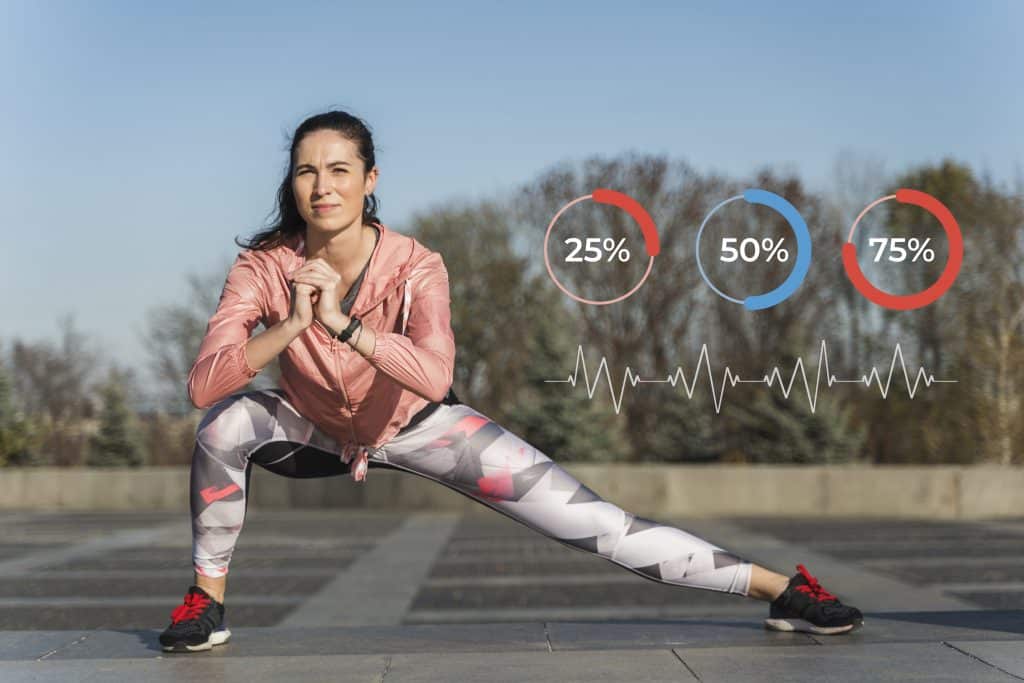
Why Fitness and Focus Are Connected
The brain depends on strong blood flow and oxygen supply. Exercise improves both, helping neurotransmitters like dopamine and serotonin flow more freely. These chemicals are linked to better attention and mood. The American Psychological Association notes that physical activity improves memory and cognitive performance.
Fitness also lowers stress hormones that make it harder to concentrate. In this way, exercise works as a mental performance tool. Today, people no longer see workouts as only about appearance. They view them as key to sharper thinking and better daily energy.
Trend 1: Short Workouts for Mental Clarity
One of the strongest trends in 2025 is the rise of short, intense workouts. High-intensity interval training (HIIT) and “micro-sessions” lasting 10 to 20 minutes are popular with busy professionals. They are easy to fit into the day and provide fast results.
A study in the British Journal of Sports Medicine shows that even short bursts of activity improve working memory and attention. Instead of a long gym trip, a quick stair climb or desk-side routine can refresh the mind. These sessions give people a fast energy reset and restore concentration.
Trend 2: Mind-Body Workouts for Calm Focus
Mind-body practices such as yoga, tai chi, and Pilates continue to grow. These exercises reduce stress, calm the nervous system, and sharpen focus. A study in the Journal of Physical Activity and Health found that yoga participants reported less stress and better alertness than non-practitioners.
Breathwork is also gaining attention. Slow, deep breathing helps activate the body’s relaxation response. This practice allows people to shift from feeling scattered to feeling calm and ready to focus. Companies are now offering guided breathwork sessions during work breaks, showing how mainstream this practice has become.
Trend 3: Strength Training for Brain Health
Strength training does more than build muscle. It also supports brain health. Lifting weights increases levels of brain-derived neurotrophic factor (BDNF). This protein encourages the growth of new brain cells and improves memory.
A study in Frontiers in Psychology linked resistance training to stronger executive function and sharper attention. As a result, many trainers now recommend combining cardio and weightlifting. This balance supports both body performance and mental clarity.
Trend 4: Outdoor Movement and Natural Light
Another emerging fitness trend is outdoor activity. Natural light plays a vital role in regulating circadian rhythms, which affect energy and focus. A study from the National Institutes of Health showed that outdoor exercise boosts mood and energy more than indoor workouts.
Simple habits such as walking meetings, outdoor yoga, or lunchtime runs provide two benefits at once: movement and sunlight. This combination helps people stay alert during the day and sleep better at night. More gyms and wellness programs are adding outdoor classes to meet this rising demand.
Trend 5: Technology-Supported Fitness
Wearable technology is shaping the way people track energy and focus. Smartwatches and apps now monitor stress levels, recovery, and even daily alertness. Many offer short guided workouts that can fit into a coffee break.
AI-powered platforms take it a step further by analyzing biometric data and recommending tailored workouts. This personalization helps users choose exercises that match their energy cycles. For example, a mid-afternoon stretch session can help avoid the common slump that hits office workers.
Everyday Fitness Practices for Better Energy and Focus
Adopting these trends does not have to be complicated. Small steps can deliver big results when done consistently. Here are some practical ways to use fitness for focus and energy:
- Start the day with light movement: A brisk walk, short jog, or a stretching session activates the brain.
- Break up long work sessions: A 10–15 minute routine can reduce fatigue and restore alertness.
- Blend cardio with strength training: This balance boosts both short-term energy and long-term mental health.
- Use breathwork as a reset tool: Just a few minutes of controlled breathing improves concentration.
- Exercise outdoors when possible: Natural light improves mood and aligns the body’s energy with the day.
These practices are simple yet effective. They can be adapted to almost any lifestyle and schedule.
The Future of Fitness and Focus
The future of fitness is not just about building strength or burning calories. It is about improving mental clarity and sustained energy. Gyms are designing classes aimed at brain health. Apps are offering focus-based routines. Even workplaces are building movement into their culture to support productivity.
Fitness practices that boost energy and focus represent a larger cultural shift. People want more than physical fitness; they want mental resilience. This trend shows no sign of slowing down. As more research confirms the connection between exercise and the brain, the demand for these practices will keep growing.
References
- American Psychological Association – The exercise effect- https://www.apa.org
- Short bouts of exercise and cognition- https://bjsm.bmj.com
- Yoga and cognitive performance- https://journals.humankinetics.com

 Travel Experiences That Promote Personal Growth


