


Interior Decor Ideas That Maximize Space and Light
Amelia Johnson September 22, 2025
In 2025, with urban living on the rise and homes becoming multifunctional spaces, homeowners are prioritizing interior decor ideas that maximize space and light. Apartments and smaller houses often present design challenges, but modern solutions make it possible to create interiors that feel spacious, airy, and inviting. Natural light, smart layouts, and minimalist approaches are no longer just design preferences—they’re essential for improving comfort, productivity, and well-being. According to a 2024 survey by Houzz, nearly 65 percent of homeowners renovated with the specific goal of enhancing light and space in their interiors, showing the growing demand for design strategies that make homes feel larger and brighter.
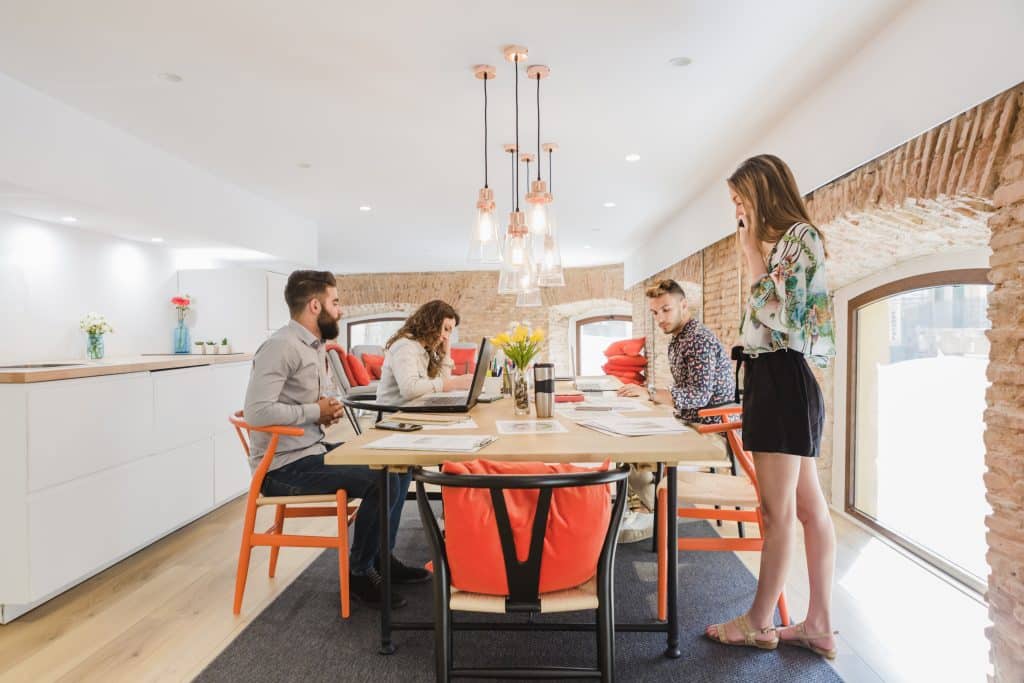
Why Maximizing Space and Light Matters
Space and light play critical roles in how interiors influence mood and functionality. Research published in the Journal of Environmental Psychology shows that well-lit spaces positively affect mental health, reducing stress and boosting focus. Similarly, efficient use of space creates order and minimizes clutter, which in turn improves productivity and relaxation. For urban dwellers especially, maximizing every square foot while enhancing natural light transforms small interiors into livable, inspiring spaces.
Emerging Trends in Interior Decor Ideas That Maximize Space and Light
1. Minimalist and Multifunctional Furniture
Minimalism remains a leading trend, but in 2025, it is more functional than ever. Furniture that serves multiple purposes—such as sofa beds, extendable dining tables, and ottomans with hidden storage—saves space while maintaining aesthetics. Clean lines, neutral tones, and minimalist layouts prevent overcrowding and help natural light move freely through a room. Scandinavian-inspired interiors, emphasizing simplicity and functionality, continue to influence design choices for maximizing both space and brightness.
2. Light-Reflecting Materials and Colors
Using reflective surfaces is one of the most effective interior decor ideas that maximize space and light. Glossy finishes on cabinets, glass tables, and metallic accents help bounce natural light across rooms. White and soft neutral walls remain popular because they make rooms feel larger and brighter. In 2025, designers are also experimenting with pastel tones, such as pale sage or lavender, which add personality without reducing brightness. Pairing these with mirrors strategically placed opposite windows amplifies light and creates an illusion of greater depth.
3. Open Layouts and Flexible Zones
Open-plan designs are no longer limited to large homes. In smaller apartments, removing unnecessary partitions allows light to flow and makes interiors feel more expansive. Where full open layouts aren’t possible, designers are using glass dividers or sliding doors to create flexible zones that separate spaces without blocking light. For example, a frosted glass partition between a living and dining area creates privacy while maintaining brightness.
4. Maximizing Vertical Space
Small homes often lack floor space, making vertical solutions essential. Wall-mounted shelves, hanging planters, and tall bookcases use height efficiently. In kitchens, vertical storage systems keep counters clear, while in bedrooms, lofted beds free up floor space for desks or seating. This approach not only saves space but also draws the eye upward, creating the impression of taller ceilings and larger rooms.
5. Indoor-Outdoor Connections
Blurring the boundaries between indoor and outdoor spaces enhances light and expands the perceived size of a home. Large sliding doors, balcony gardens, and indoor courtyards are popular in 2025. Even small apartments can adopt this trend by using floor-to-ceiling windows or installing French doors that open to compact balconies. Research from the Harvard T.H. Chan School of Public Health suggests that natural light exposure improves sleep and mood, making this design choice beneficial for health as well as aesthetics.
6. Smart Lighting Systems
While natural light is ideal, smart lighting ensures that interiors remain bright even in the evenings or during darker months. In 2025, circadian lighting systems that mimic natural daylight are trending. These systems adjust color temperature throughout the day—cool white tones during work hours to enhance focus and warm amber tones in the evening to promote relaxation. Smart lighting also allows homeowners to customize brightness levels in different zones, ensuring each space feels functional and inviting.
7. Transparent and Lightweight Design Elements
Heavy furniture and dark decor can make rooms feel cramped. Transparent materials such as acrylic chairs, glass coffee tables, and sheer curtains reduce visual clutter while maintaining functionality. Lightweight materials and slim profiles in furniture designs also contribute to the feeling of openness. This trend is particularly popular in small living rooms, where bulky items often overwhelm limited space.
8. Hidden Storage Solutions
Clutter diminishes both space and light. Innovative storage solutions are among the most practical interior decor ideas that maximize space and light. Built-in drawers under stairs, wall-mounted cabinets, and hidden compartments in furniture reduce mess while keeping essentials accessible. In 2025, modular storage systems that can be customized for different rooms are growing in popularity, especially for urban homes.
Practical Interior Decor Ideas That Maximize Space and Light
- Use mirrors strategically: Place mirrors opposite windows to reflect natural light and create a sense of openness.
- Choose multifunctional furniture: Opt for pieces like a sofa bed or foldable desk to save space.
- Adopt neutral palettes: Stick to whites, creams, and light grays to brighten rooms, adding pops of color with accessories.
- Keep windows unobstructed: Use sheer curtains instead of heavy drapes to maximize sunlight.
- Declutter regularly: Donate or store items you don’t need to prevent overcrowding.
- Invest in smart lighting: Install LED systems that adjust to your daily rhythms.
- Use glass partitions: Create separation without sacrificing light.
- Maximize vertical space: Install shelves up to the ceiling and use tall cabinets.
- Incorporate natural elements: Light wood and indoor plants create warmth without overwhelming small spaces.
- Choose low-profile furniture: Low sofas and beds make ceilings feel taller and rooms feel larger.
Benefits of Maximizing Space and Light
Designing interiors to enhance space and light delivers immediate and long-term benefits. Brighter rooms boost mood and productivity, while clutter-free, spacious interiors reduce stress. Natural light also supports physical health by regulating circadian rhythms and vitamin D levels. On a practical level, maximizing space improves organization and makes homes more functional, especially for families or individuals working from home. Aesthetic benefits are equally important, as homes that feel larger and brighter often appear more inviting and modern.
Challenges in Implementing Space- and Light-Focused Design
While effective, implementing these ideas can present challenges. Budget constraints may limit access to high-end materials like floor-to-ceiling windows or custom storage. In rented apartments, structural changes such as removing walls are often not possible. Small spaces also require careful balance, as overuse of mirrors or minimalist design may make a home feel impersonal. Overcoming these challenges involves prioritizing affordable solutions like smart lighting, vertical storage, and portable decor elements that still create openness.
The Future of Space and Light in Interior Design
Looking forward, maximizing space and light will remain central to interior design, particularly in cities where small apartments dominate. Technology will continue to shape design, with AI-driven tools recommending optimal furniture arrangements and lighting systems. Sustainable materials such as recycled glass and energy-efficient windows will align with eco-conscious living. Designers will also emphasize biophilic design, incorporating plants, natural light, and organic textures to enhance well-being. By 2030, space and light will not just be aesthetic goals but essential elements of health-focused, sustainable homes.
In conclusion, interior decor ideas that maximize space and light are becoming indispensable for modern living in 2025. From multifunctional furniture and light-reflecting surfaces to smart lighting and indoor-outdoor connections, these strategies create interiors that are both practical and beautiful. Whether living in a small apartment or a large home, applying these ideas enhances mood, productivity, and overall comfort. With trends emphasizing sustainability, personalization, and technology, maximizing space and light is no longer just a design choice—it is a lifestyle upgrade.
References
- 2024 U.S. Houzz & Home Study: Renovation Trends, https://www.houzz.com
- The Effect of Light on Wellbeing: https://pmc.ncbi.nlm.nih.gov
- Enlightening wellbeing in the home: https://www.sciencedirect.com

 Smart Home Devices That Improve Daily Comfort


