


Smart Home Devices That Improve Daily Comfort
Olivia Carter September 22, 2025
In 2025, more people are turning to smart home devices that improve daily comfort as technology becomes an essential part of everyday living. These devices no longer serve as luxury add-ons; instead, they are practical tools that simplify routines, enhance wellness, and make homes more efficient. From climate control systems that adapt to your habits to voice assistants that handle tasks instantly, smart technology is transforming what it means to feel comfortable at home. According to Statista, the global smart home market is expected to grow beyond 230 billion by 2028, showing just how much homeowners value these innovations.
Why Daily Comfort Depends on Smart Technology
Daily comfort goes beyond soft furniture and cozy blankets. It also means having a home that responds to your needs with minimal effort. Proper lighting, clean air, a pleasant temperature, and easy control over appliances all contribute to comfort. Traditionally, managing these details required time and energy. However, smart home devices handle many of these tasks automatically, which means more time for relaxation and less stress. As a result, people are discovering that small devices can have a big impact on how comfortable their homes feel.
Key Trends in Smart Home Devices That Improve Daily Comfort
Intelligent Climate Control
Smart thermostats are one of the most widely adopted smart home devices that improve daily comfort. Unlike traditional thermostats, they learn your patterns and automatically adjust temperatures. For example, if you usually wake up at 7 a.m., the system will start heating or cooling before you get out of bed. In addition, many devices connect to wearable trackers, allowing them to adjust based on your body temperature or stress level. Therefore, these systems not only keep your home cozy but also reduce energy waste. Over time, households save money while enjoying an ideal indoor climate.
Adaptive Smart Lighting
Lighting has a huge influence on mood and productivity. With smart lighting systems, homeowners can set the brightness, color, and even timing of lights. For instance, cooler tones during the day encourage focus, while warmer tones in the evening create a calm atmosphere. Moreover, some systems sync with entertainment or music to deliver immersive experiences. Because of these benefits, products like Philips Hue and Nanoleaf have become popular in homes worldwide. They allow you to move seamlessly from work to relaxation while maintaining comfort at every stage of the day.
Air Quality Monitoring and Purification
Air quality is directly tied to comfort and health. Busy lifestyles often mean people spend more time indoors, which makes clean air essential. Smart air purifiers and monitors track pollutants, allergens, and humidity. When levels rise, they automatically adjust filtration or humidity settings. For example, advanced devices can detect pet dander and begin filtering within seconds. In addition, many units connect to apps that provide real-time updates, helping you stay aware of your environment. As a result, you breathe easier and sleep better, which directly improves daily comfort.
Smart Kitchen Innovations
Cooking after a long day can feel exhausting. However, smart kitchen devices make meal prep simpler and faster. Refrigerators with built-in sensors track expiration dates and suggest recipes based on what you already have. Ovens and slow cookers can be controlled remotely, meaning dinner can start cooking before you even arrive home. Furthermore, AI-powered meal planning apps now sync with kitchen appliances, providing tailored grocery lists and step-by-step cooking assistance. These devices reduce stress around food preparation while encouraging healthier eating habits.
Connected Sleep Technology
Comfort also relies heavily on rest. Smart mattresses and sleep trackers are designed to improve sleep quality. For example, mattresses can adjust firmness and temperature automatically during the night. In addition, sleep trackers measure your cycles and suggest adjustments for better rest. Some systems even link to your lighting and climate control, creating a full environment that supports healthy sleep. Therefore, mornings start with more energy and less grogginess, which carries over into the rest of your day.
Voice Assistants as Daily Helpers
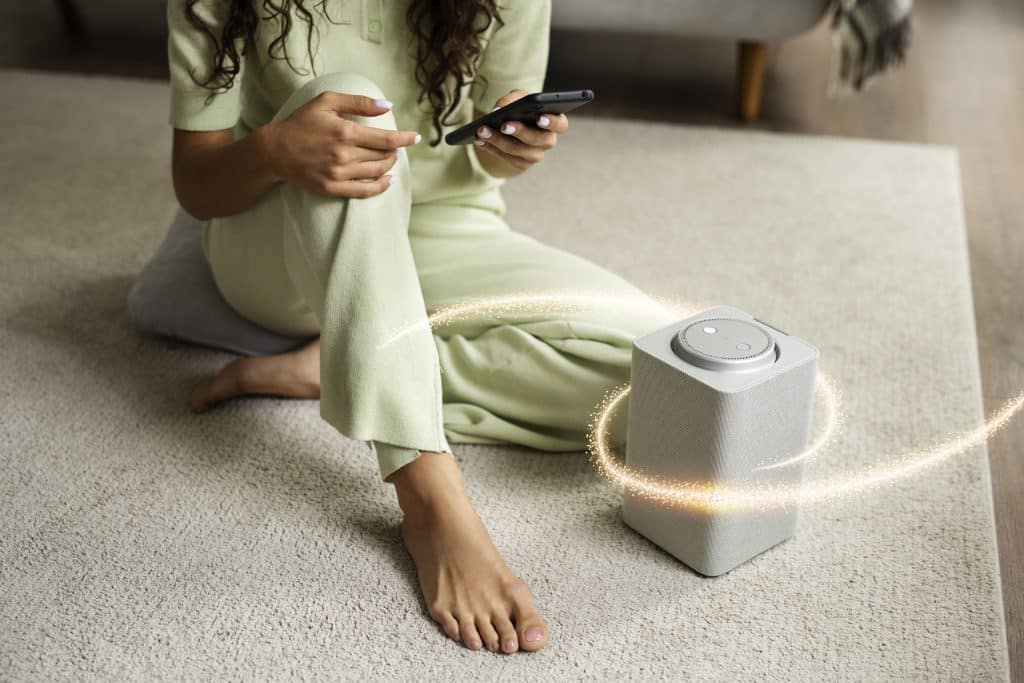
Voice assistants like Alexa, Google Assistant, and Apple’s HomePod have become household staples. They serve as central hubs, connecting and controlling all other devices. You can ask them to adjust the thermostat, dim the lights, or even lock the front door. In addition, they manage schedules, set reminders, and provide quick answers, all without requiring your hands. Because they make multitasking easier, voice assistants have become essential for families with busy routines.
Smart Entertainment Systems
Relaxation is another element of daily comfort, and entertainment systems play a major role. Smart TVs, wireless speakers, and streaming platforms offer personalized recommendations and high-quality sound or visuals. For example, projectors paired with voice control create theater-like experiences in smaller living rooms. In addition, VR and AR integration are becoming more common in 2025, adding new layers of immersion. With these systems, leisure time becomes more enjoyable and stress-free.
Security for Peace of Mind
Feeling safe at home is one of the most important aspects of comfort. Smart security systems offer remote access, allowing you to check cameras or lock doors through your phone. In 2025, AI-powered cameras can distinguish between family members, pets, and strangers. Therefore, you get fewer false alarms and more accurate protection. Knowing your home is secure allows you to fully relax, whether you’re away at work or settling in for the night.
Practical Examples of Smart Home Devices That Improve Daily Comfort
- Smart thermostats that regulate heating and cooling.
- Lighting systems that adjust automatically to your schedule.
- Air purifiers with real-time monitoring.
- Coffee makers programmed to brew before you wake up.
- Sleep-tracking mattresses for better rest.
- Voice assistants that control devices and manage routines.
- Smart refrigerators that organize groceries.
- Security systems with intelligent recognition features.
- Smart blinds that open with sunrise and close at night.
- Streaming hubs that integrate music, film, and gaming.
Benefits of Investing in Smart Home Devices
Adopting smart home devices that improve daily comfort provides a wide range of advantages. First, they save time by automating repetitive tasks. Second, they improve health by managing air quality, lighting, and sleep environments. Third, they reduce stress by keeping your home secure and organized. In addition, these devices often lead to lower energy bills because of their efficient designs. As a result, households find that smart technology not only makes life easier but also more cost-effective in the long run.
Challenges and Considerations
Despite their benefits, smart home devices do present challenges. Upfront costs can be high, particularly for fully integrated systems. Privacy concerns also remain, as these devices often collect data on habits and routines. Furthermore, compatibility issues may arise when devices from different brands cannot connect easily. However, starting small and expanding gradually is a practical solution. For example, investing first in a smart thermostat or lighting system provides noticeable benefits without requiring a large budget. Over time, homeowners can add more devices as needs and resources grow.
The Future of Smart Home Devices and Comfort
Looking ahead, smart home technology will become even more intuitive. Artificial intelligence will allow devices to anticipate needs without requiring input. For example, homes may detect when you feel stressed and automatically adjust lighting, sound, and temperature to help you relax. In addition, sustainability will become a stronger focus, with devices designed to minimize environmental impact. Interoperability is also expected to improve, making it easier to connect devices from different brands. Therefore, the future of smart home living promises even greater comfort, efficiency, and personalization.
Conclusion
In conclusion, smart home devices that improve daily comfort are reshaping the way we live in 2025. From climate control and adaptive lighting to kitchen appliances and security systems, these technologies are practical, health-focused, and increasingly accessible. They provide time savings, improve well-being, and create peace of mind. While challenges like cost and privacy exist, the long-term benefits outweigh them for many households. As technology continues to advance, daily comfort will no longer be a luxury but a standard feature of modern homes.
References
- Smart Home Market Overview, https://www.nextmsc.com
- Smart Home Market (2025 – 2030), https://www.grandviewresearch.com
- How Smart Thermostats Improve Home Heating Efficiency , https://www.ontapsolutions.ca

 Strategies for Growing a Startup Network


