


Gardening Ideas That Support Healthy Outdoor Spaces
Amelia Johnson September 25, 2025
Creating gardening ideas that support healthy outdoor spaces has become a leading trend in 2025 as communities, homeowners, and urban planners recognize the vital role outdoor environments play in well-being and sustainability. From climate-adaptive planting to pollinator-friendly landscapes, the focus is shifting toward practices that not only beautify but also nurture ecosystems, reduce environmental impact, and support healthier lifestyles. Unlike ornamental gardening of the past, today’s approach emphasizes functionality, biodiversity, and resilience against climate change.
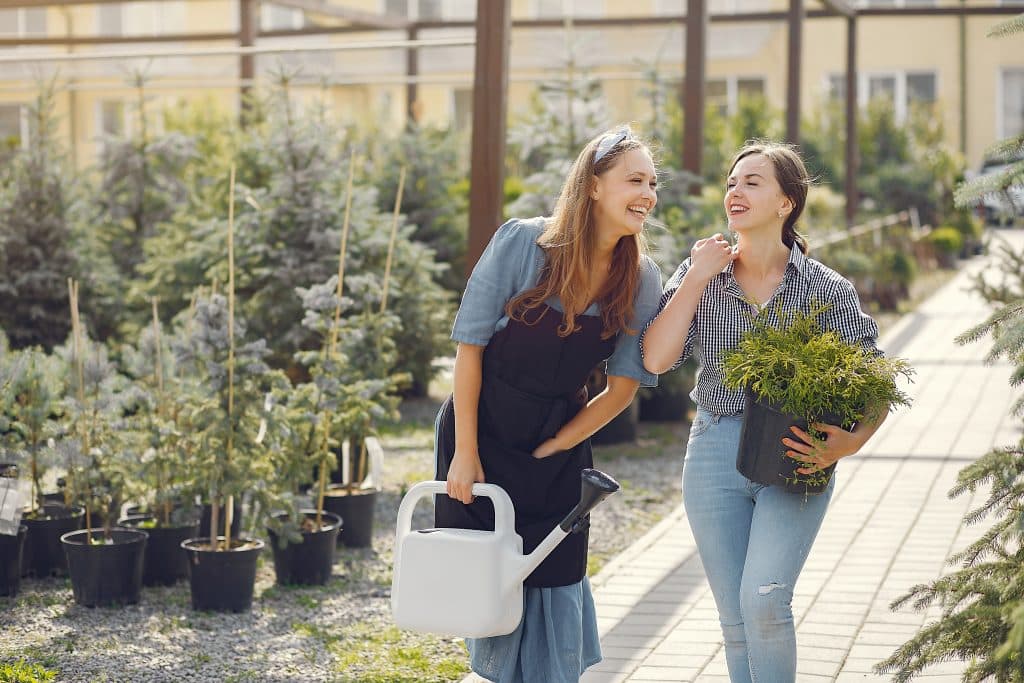
Why Healthy Outdoor Spaces Matter More Than Ever
Outdoor spaces are more than backyards or decorative gardens. They serve as habitats for pollinators, cooling zones in cities, and restorative environments for people. A 2024 World Health Organization report noted that exposure to green spaces reduces stress, improves cardiovascular health, and fosters social interaction. At the same time, climate pressures such as heatwaves and water scarcity make sustainable gardening essential. Healthy outdoor spaces provide shade, improve air quality, and contribute to urban cooling, making them vital in both residential and community contexts.
Trend 1: Native Plant Landscaping
One of the most effective gardening ideas that support healthy outdoor spaces is the use of native plants. Native species are adapted to local climates, requiring less water and fertilizer, and they support local wildlife such as bees and butterflies. According to the National Wildlife Federation (2024), yards with native plants host up to 50% more pollinators than those with non-native ornamentals. DIY gardeners are now swapping imported flowers for resilient, eco-friendly species that thrive naturally and reduce long-term maintenance.
Trend 2: Pollinator-Friendly Gardens
Pollinator decline has become a pressing environmental issue, making pollinator-focused gardening a priority. Healthy outdoor spaces now often include flowering plants that bloom at different times of the year to provide continuous food sources for bees, butterflies, and hummingbirds. In 2025, many communities are also promoting “bee corridors” by encouraging residents to create connected gardens. A study by the Xerces Society (2024) found that small, pollinator-focused gardens in urban areas can increase biodiversity by up to 30%.
Trend 3: Water-Wise Gardening
With water scarcity affecting many regions, water-efficient practices are central to gardening ideas that support healthy outdoor spaces. Rainwater harvesting systems, drip irrigation, and drought-tolerant plants are increasingly common in both urban and suburban settings. The Environmental Protection Agency (EPA) highlighted in 2024 that outdoor water use accounts for 30% of household consumption, meaning smarter irrigation can significantly cut waste. Xeriscaping—a landscaping approach focused on minimal water use—is gaining popularity not just in dry regions but across the globe as part of sustainable gardening.
Trend 4: Edible Landscaping
Another emerging idea is blending functionality with beauty through edible landscaping. Gardens that mix ornamental plants with herbs, fruit trees, and vegetables allow homeowners to create self-sustaining ecosystems while reducing grocery costs. In 2025, raised beds, vertical gardens, and container systems are popular choices for small spaces. A report by the Food and Agriculture Organization (2024) emphasized that local food production through home gardening supports both nutrition and environmental health by lowering carbon emissions linked to food transport.
Trend 5: Soil Health as a Priority
Healthy outdoor spaces start with healthy soil. Gardeners are increasingly adopting regenerative practices like composting, mulching, and cover cropping to improve soil fertility and structure. Soil health is directly linked to plant resilience, water retention, and biodiversity. A 2024 USDA study confirmed that gardens practicing regenerative soil techniques had 60% higher yields and required fewer chemical inputs. For homeowners, starting a compost pile or using organic mulches are simple yet impactful steps toward healthier soil and plants.
Trend 6: Climate-Resilient Gardening
Climate change is pushing gardeners to rethink plant choices and design strategies. Resilient outdoor spaces are built to withstand extreme weather events like floods, heatwaves, and storms. Raised garden beds, permeable paving, and stormwater gardens help manage heavy rainfall, while heat-tolerant plant varieties reduce stress during hot summers. The Royal Horticultural Society (2024) reported that climate-adaptive gardening techniques are among the fastest-growing trends in Europe and North America.
Trend 7: Urban Gardening and Green Infrastructure
Cities are embracing gardening ideas that support healthy outdoor spaces by promoting rooftop gardens, vertical walls, and community gardens. These projects provide residents with access to fresh food, reduce urban heat islands, and create social hubs. According to the United Nations (2024), urban agriculture initiatives increased by 40% over the past five years, reflecting their importance in building resilient, healthy cities. Vertical farming and hydroponic systems are also being adopted at the household level to maximize limited space.
Trend 8: Wildlife Habitats in Gardens
Supporting biodiversity is now a core element of outdoor gardening. Homeowners are adding bird baths, bat houses, and insect hotels to create micro-habitats for wildlife. These additions contribute to balanced ecosystems and reduce pest problems naturally. Research from the Audubon Society (2024) showed that wildlife-friendly gardens with native plants and water features increased bird populations by 20% compared to traditional lawns.
Trend 9: Mindful and Wellness-Oriented Gardening
Healthy outdoor spaces are not just for the environment—they are also designed for human wellness. Meditation nooks, sensory gardens with fragrant plants, and spaces designed for yoga or relaxation reflect a growing emphasis on mental health. The American Psychological Association (2024) reported that time spent in wellness-focused gardens reduced anxiety and improved cognitive function. DIYers are increasingly creating outdoor sanctuaries that combine greenery with mindfulness practices.
Trend 10: Community and Shared Gardens
Shared outdoor spaces are expanding in neighborhoods, schools, and workplaces. Community gardens provide access to fresh produce, improve social cohesion, and educate participants on sustainable practices. In 2025, many municipalities are investing in shared gardening initiatives to address food insecurity and promote healthier lifestyles. According to a 2024 Harvard study, community gardening increased fruit and vegetable consumption by 37% among participants while fostering stronger community ties.
Practical Steps for Creating Healthy Outdoor Spaces
- Choose native plants to support local biodiversity.
- Incorporate pollinator-friendly species with staggered bloom times.
- Implement water-wise systems like drip irrigation or rain barrels.
- Blend beauty with functionality by planting edible crops.
- Focus on soil health through composting and organic mulching.
- Design with resilience by preparing for extreme weather.
- Support wildlife with birdhouses, water features, and insect hotels.
- Use vertical or rooftop gardens in limited spaces.
- Create mindful spaces that encourage outdoor relaxation.
- Engage in community gardening to build connections and share resources.
Conclusion: A Greener Path Forward
Gardening ideas that support healthy outdoor spaces are more than aesthetic choices—they represent a commitment to sustainability, biodiversity, and personal well-being. In 2025, trends such as pollinator-friendly planting, water-efficient systems, and community-driven projects are shaping the way we design and maintain our gardens. These practices create outdoor environments that nurture people and the planet alike, offering both immediate benefits and long-term resilience. By adopting even a few of these strategies, homeowners and communities can contribute to a healthier, more sustainable future.
References
- Benefits of Landscaping With Native Plants, https://www.accdpa.org
- The Importance of Pollinators, https://www.usda.gov
- I Didn’t Know That!: Planting for Pollinators, https://www.nps.gov

 Wellness Routines That Improve Mental and Physical Health


