


Wellness Practices That Support Mental and Physical Health
Benjamin Scott October 1, 2025
Wellness practices that support mental and physical health have become more than just trends—they are essential strategies for living in a world where stress, technology, and rapid lifestyle changes dominate daily routines. As people search for sustainable ways to balance productivity and well-being, new approaches to holistic health are gaining traction. From mindful breathing techniques and sleep optimization to the integration of digital wellness tools and hybrid fitness practices, the focus has shifted toward methods that offer measurable benefits for both body and mind. This article explores emerging wellness practices in 2025 that not only support mental and physical health but also reflect broader cultural and scientific shifts in how society views well-being.
The Rise of Digital Wellness Tools
Technology is often seen as a driver of stress, yet it is also evolving into a powerful ally in wellness. Digital wellness tools now provide personalized solutions to track sleep quality, reduce screen fatigue, and promote mental clarity. Wearables, for example, can monitor stress through heart rate variability while guiding users through breathing exercises in real-time. Meditation apps, paired with AI-driven recommendations, are helping individuals customize mindfulness sessions based on their emotional state.
Why it matters: These tools meet people where they already spend their time—on devices—and transform digital habits into wellness opportunities rather than stress triggers. As remote work remains widespread, integrating wellness directly into technology use ensures that balance becomes a part of everyday life instead of an afterthought.
Sleep Optimization as a Core Wellness Strategy
Sleep is no longer viewed as a passive activity but as an active pillar of wellness practices that support mental and physical health. With research continually linking poor sleep to cognitive decline, anxiety, and metabolic disorders, individuals and businesses alike are focusing on sleep optimization.
Emerging approaches include:
- Smart sleep environments: Temperature-regulating mattresses and circadian lighting systems that mimic natural daylight cycles.
- Wearable insights: Devices that analyze sleep stages and provide actionable feedback for better rest.
- Workplace culture shifts: Companies encouraging sleep health by adjusting meeting times and promoting rest breaks.
The acknowledgment that sleep is as important as exercise or nutrition is reshaping the wellness conversation, highlighting it as a non-negotiable aspect of overall health.
Hybrid Fitness: Blending Mind and Body Practices
In 2025, the definition of fitness has expanded beyond physical performance to include mental resilience. Hybrid fitness programs combine high-intensity workouts with mindfulness techniques, ensuring participants strengthen both their bodies and emotional stability.
Examples include:
- Yoga and strength training hybrids that pair weightlifting with breathwork.
- Mindful running where individuals incorporate meditation prompts during runs.
- Recovery-focused sessions blending mobility work, meditation, and sound therapy.
This hybrid approach resonates with individuals who recognize that mental stamina is as critical as physical endurance, especially in high-stress environments.
Nutrition and Gut-Brain Connection
The conversation around nutrition has shifted toward the gut-brain axis, a key area where wellness practices that support mental and physical health converge. Research has shown that gut microbiota significantly influence mood regulation and cognitive performance. This has fueled a rise in dietary strategies that target both digestive and emotional well-being.
Key practices include:
- Functional foods like fermented vegetables, kefir, and kombucha that promote gut health.
- Personalized nutrition plans guided by microbiome testing.
- Plant-forward diets emphasizing fiber and nutrient diversity to reduce inflammation.
Nutrition is no longer about calorie restriction but about creating sustainable diets that enhance physical energy and emotional balance.
The Role of Nature-Based Practices
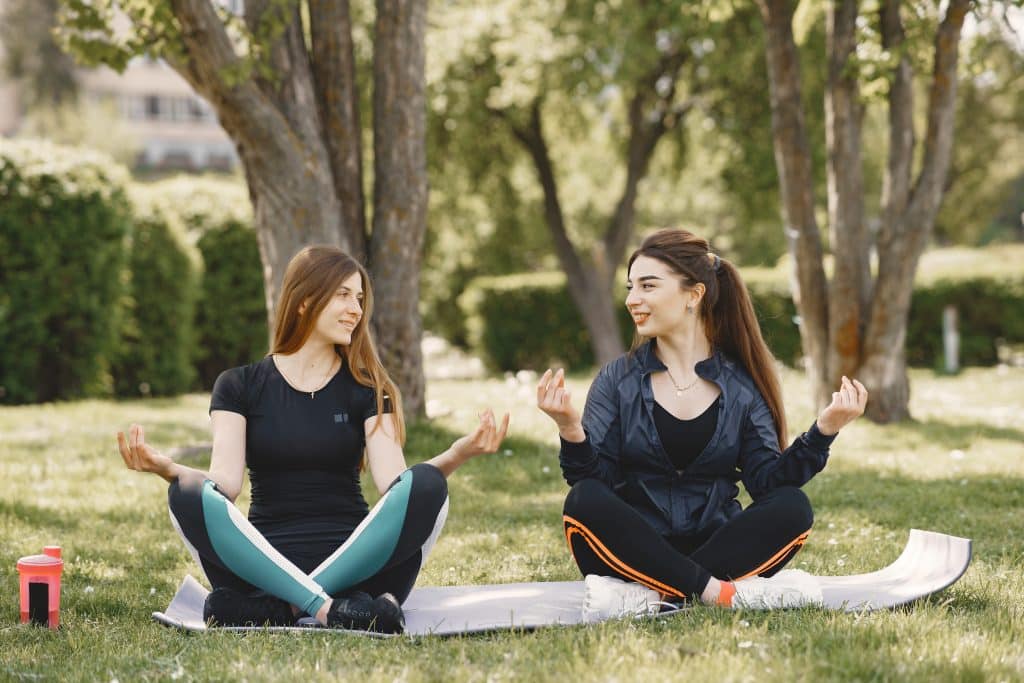
Spending time outdoors has always been beneficial, but structured nature-based practices are becoming mainstream as science increasingly confirms their impact on stress reduction and mental clarity. Forest bathing, mindful gardening, and outdoor movement therapies are gaining traction across urban and rural communities alike.
Why it’s trending:
- Nature immersion reduces cortisol levels and boosts mood.
- Outdoor activities encourage movement without the rigidity of gym workouts.
- Accessibility: Even small green spaces in cities provide measurable benefits.
Incorporating nature into wellness routines makes practices both sustainable and restorative, offering balance in overstimulated environments.
Breathwork as a Tool for Mental Clarity
Breathwork has emerged as a central practice in supporting mental and physical health, drawing attention from both wellness enthusiasts and clinical researchers. Techniques such as box breathing, alternate nostril breathing, and paced respiration are used to regulate the nervous system, improve focus, and enhance physical endurance.
Breathwork is gaining recognition as a low-cost, accessible practice that delivers immediate benefits. Unlike meditation, which may feel challenging for beginners, breathwork offers tangible results quickly, making it an appealing entry point for those new to wellness practices.
Workplace Wellness and Holistic Health Integration
Employers are increasingly adopting wellness practices that support mental and physical health as part of workplace culture. This shift reflects the recognition that employee well-being is tied directly to productivity, retention, and innovation.
Emerging workplace wellness strategies:
- Flexible work schedules to reduce burnout.
- Access to mindfulness or fitness programs during office hours.
- Digital detox initiatives encouraging boundaries with technology.
- On-site or virtual mental health resources.
The corporate world’s focus on wellness signals a broader societal recognition that health is not only personal but also collective and organizational.
Personalized and Preventive Healthcare
One of the most significant emerging trends is the move toward personalized wellness, driven by data and preventive care. Instead of reactive healthcare, individuals are using wellness practices to anticipate and mitigate health challenges before they escalate.
Examples include:
- DNA and microbiome testing to tailor diets and exercise.
- Continuous glucose monitoring for people without diabetes to optimize energy levels.
- Preventive stress management programs designed to reduce long-term chronic conditions.
By combining medical insights with everyday wellness strategies, individuals gain more control over their mental and physical outcomes.
Conclusion
Wellness practices that support mental and physical health are evolving into integrated, science-backed strategies that reflect how interconnected the mind and body truly are. In 2025, these practices extend beyond trends to become foundational elements of daily life—covering sleep optimization, digital wellness, nutrition, hybrid fitness, nature-based routines, and breathwork. As cultural norms and workplace expectations shift, the importance of sustainable, personalized wellness strategies continues to grow. The future of health lies not in fragmented practices but in holistic, adaptable approaches that balance mental clarity with physical vitality.
References
- American Psychological Association. (2023). Workplace Wellness Trends– https://www.apa.org
- Sleep and Health: Why It Matters– https://www.nih.gov
- The Gut-Brain Connection– https://www.health.harvard.edu

 Travel Destinations That Inspire Creativity


