


Wellness Practices That Reduce Daily Stress
Benjamin Scott September 24, 2025
Stress has become a constant companion for many in today’s fast-paced world. Whether it’s the demands of work, family, or just managing day-to-day tasks, stress can take a significant toll on both mental and physical health. According to the American Psychological Association, 76% of Americans report experiencing stress regularly. But as awareness around mental health and well-being grows, more people are turning to wellness practices that reduce daily stress.
In 2025, wellness trends continue to evolve, offering new and effective ways to manage stress. From mindfulness practices to cutting-edge technologies, these emerging trends are designed to help individuals regain balance and improve their overall well-being. In this article, we will explore the latest wellness practices that reduce daily stress, focusing on emerging techniques and technologies that are reshaping the approach to mental health in 2025.
The Importance of Reducing Stress
Chronic stress isn’t just a mental burden—it can have serious implications for physical health. Studies have linked long-term stress to various health issues, including high blood pressure, heart disease, and even diabetes. Stress also impacts sleep quality, immune function, and overall energy levels. Therefore, managing stress is essential not only for maintaining emotional well-being but also for sustaining physical health.
Fortunately, stress management doesn’t have to involve drastic changes to your lifestyle. Small, consistent wellness practices can make a significant difference in reducing stress and improving quality of life.
Top Emerging Wellness Practices That Reduce Daily Stress
1. Mindfulness and Meditation Practices
Mindfulness and meditation have been proven to be effective tools for reducing stress. These practices involve focusing the mind and being present in the moment, which can calm the nervous system and promote a sense of peace. According to a 2024 study published in JAMA Internal Medicine, mindfulness meditation has shown to reduce symptoms of anxiety, depression, and stress.
In 2025, guided mindfulness apps like Calm and Headspace are becoming more sophisticated, offering personalized meditation sessions based on an individual’s specific stress triggers. With features such as breathing exercises, sleep aids, and even nature sounds, these apps provide a wide range of tools to help individuals relieve stress at any time of the day.
A growing trend in mindfulness is micro-meditation, which involves practicing short, 3- to 5-minute meditation sessions throughout the day. These brief but effective moments of mindfulness are ideal for people with busy schedules and have been shown to reduce stress, improve focus, and boost emotional resilience.
2. Nature Therapy and Biophilic Design
Spending time in nature has long been known to have stress-reducing benefits. The idea of nature therapy—also known as forest bathing—is gaining momentum as an effective way to reconnect with the natural world and reduce daily stress. According to research from the University of Michigan, spending just 20 minutes in nature can significantly lower cortisol levels, which is a key indicator of stress.
However, not everyone has immediate access to natural environments. This is where biophilic design comes in. This design philosophy integrates natural elements into built environments, including plants, water features, natural light, and organic materials. In 2025, urban dwellers are increasingly incorporating biophilic design into their homes and offices to create calming environments that help mitigate the stress of city living. Many workplaces are even investing in green spaces and indoor plants to enhance employee well-being and productivity.
Additionally, virtual nature experiences, like nature VR (virtual reality), are also gaining popularity. These technologies allow users to immerse themselves in calming, nature-filled environments, even when they are indoors or in high-stress settings.
3. Fitness Routines Tailored for Stress Relief
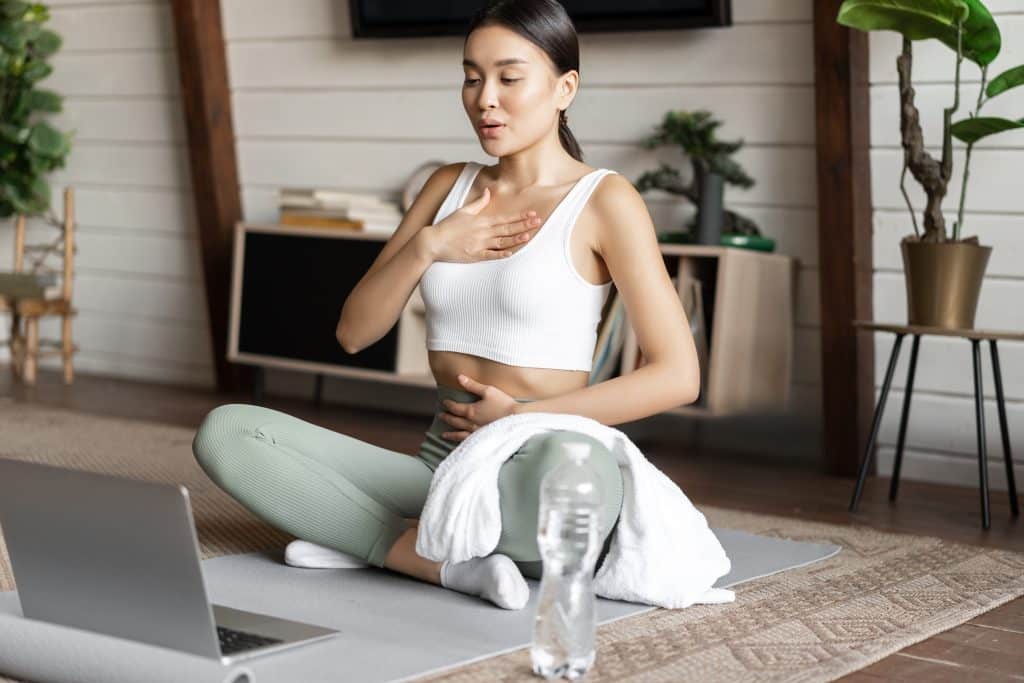
Exercise is a well-known stress reliever. In 2025, the focus has shifted from high-intensity workouts to more mindful fitness routines that help the body release tension without overexertion. Practices like yoga, tai chi, and pilates are gaining recognition for their ability to reduce stress, increase flexibility, and promote mental clarity.
In particular, yoga has emerged as one of the most popular stress-relief practices. A study from Harvard Medical School found that yoga helps reduce stress by lowering levels of cortisol, while also improving mood and promoting relaxation. With the rise of online yoga studios and on-demand fitness classes, yoga and other calming fitness routines are more accessible than ever.
The growing trend of functional fitness also focuses on improving daily mobility and overall body strength, which helps reduce physical stress and prevent injury. These workouts, designed to be performed at home with minimal equipment, offer easy ways to alleviate physical stress, which is often a result of poor posture or sedentary lifestyles.
4. Technology-Driven Stress Relief: Biofeedback and Wearables
In 2025, technology is playing a bigger role in stress management. Wearable devices, such as the Oura Ring and Whoop Strap, track key metrics like sleep, heart rate variability, and body temperature, offering insights into how lifestyle factors are affecting stress levels. These devices help individuals monitor their daily stress and make adjustments to their routines based on real-time data.
Another technology-based wellness trend is biofeedback therapy, which uses sensors to measure physiological responses such as heart rate, breathing patterns, and muscle tension. By providing real-time data, biofeedback allows individuals to gain more control over their stress responses. Studies show that biofeedback can reduce anxiety and improve relaxation. Devices like Muse Headband and HeartMath are growing in popularity for their ability to help users practice stress-reduction techniques effectively.
5. Adaptogens and Stress-Relief Supplements
In the wellness space, adaptogens have become a go-to natural remedy for reducing stress. These herbs and mushrooms are known to help the body adapt to stress and restore balance. Popular adaptogens like ashwagandha, rhodiola, and lion’s mane have gained attention for their ability to reduce anxiety and improve mental clarity.
In 2025, stress-relief supplements are being formulated with a mix of adaptogens and other calming ingredients, such as magnesium and CBD. While scientific evidence on the efficacy of some of these supplements is still emerging, many people report feeling more relaxed and focused when incorporating them into their daily routines.
6. Sleep Optimization Practices
One of the most significant contributors to stress is poor sleep. Studies from the National Sleep Foundation reveal that insufficient sleep can heighten stress and anxiety levels. In 2025, more emphasis is being placed on sleep hygiene and optimization as key elements in stress management.
Sleep apps, such as Calm and Sleep Cycle, help track and improve sleep quality by offering guided sleep meditations, soundscapes, and data-driven recommendations. Additionally, products like weighted blankets and sleep masks are becoming more popular for their calming effects, helping users wind down before bedtime and improve sleep quality.
How to Implement These Wellness Practices
- Incorporate Mindfulness – Use apps like Headspace or Calm for daily meditation, or practice micro-meditation for 3–5 minutes throughout the day.
- Spend Time in Nature – Take breaks to enjoy the outdoors, or bring nature indoors by adding plants or using AR nature experiences.
- Try Yoga or Tai Chi – Join online classes or practice in your living room to release tension and improve flexibility.
- Track Your Stress Levels – Use wearable devices to monitor heart rate and other stress indicators and make lifestyle adjustments.
- Try Adaptogens – Consider incorporating natural supplements like ashwagandha into your routine for a calming effect.
- Optimize Your Sleep – Focus on improving your sleep environment with the help of apps, weighted blankets, or sleep optimization techniques.
Conclusion
In 2025, wellness practices that reduce daily stress are more accessible, diverse, and effective than ever. Whether through mindfulness apps, fitness routines, or technology-driven solutions, there are countless ways to integrate stress-reducing techniques into a busy lifestyle. By making small, sustainable changes to daily habits, you can significantly improve both your mental and physical health, leading to a more balanced, stress-free life.
References
- American Psychological Association. (2024). Stress in America 2024: Stress and health disparities– https://www.apa.org
- National Sleep Foundation. (2024). How Sleep Affects Your Mental Health– https://www.sleepfoundation.org
- The benefits of mindfulness-based interventions for mental health- https://jamanetwork.com

 Smart Finance Tools That Simplify Budgeting


