


How Urban Gardening Improves Mental Health
Amelia Johnson September 24, 2025
In today’s fast-paced and digitally connected world, mental health challenges such as stress, anxiety, and burnout are increasingly common. Urban residents in particular face unique pressures, from crowded environments and limited green spaces to the constant demands of city living. One solution gaining traction is urban gardening, a practice that not only addresses sustainability and food security but also provides profound psychological benefits. Research consistently shows that urban gardening improves mental health by reducing stress, fostering community, and promoting mindfulness. In 2025, this trend is more relevant than ever as cities adopt policies to encourage green living and individuals seek meaningful ways to connect with nature in their daily lives.
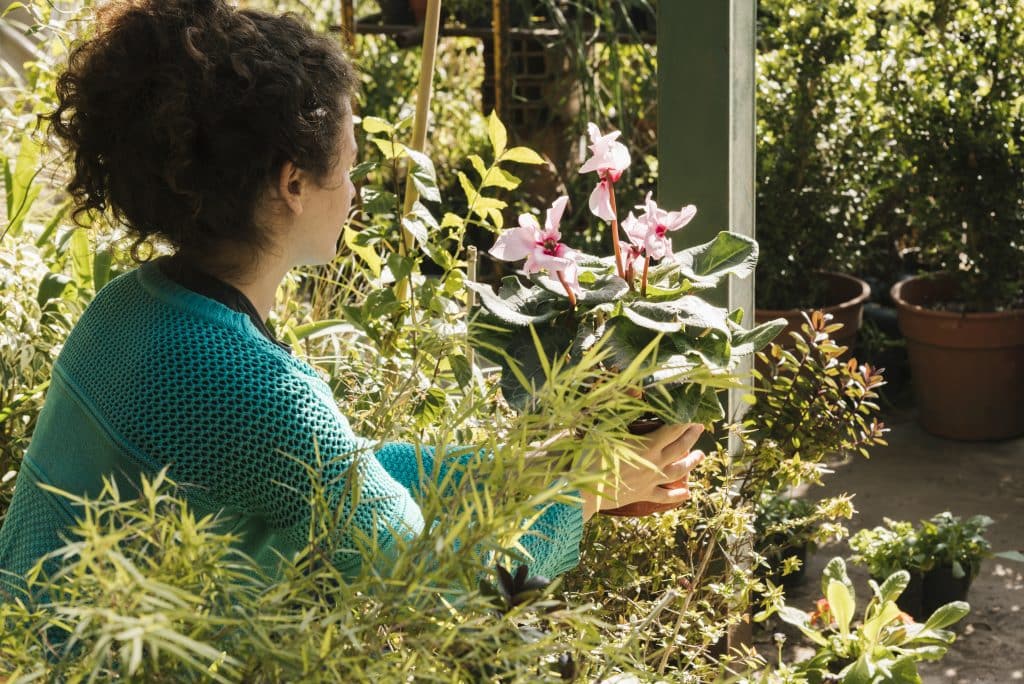
Why Urban Gardening Matters for Mental Health
Living in dense urban environments often limits access to green spaces, yet exposure to nature is linked to reduced stress and improved overall well-being. According to a 2023 study published in Frontiers in Psychology, time spent tending plants is associated with lower cortisol levels, improved mood, and greater life satisfaction. For city dwellers, urban gardening provides an accessible way to enjoy these benefits without leaving the city. Beyond the individual level, urban gardens help combat feelings of isolation by fostering social interaction and community belonging—both crucial for mental health.
Emerging Trends in Urban Gardening and Mental Health
1. Rooftop and Balcony Gardens
Limited space in cities has fueled creativity. Rooftop gardens, balcony planters, and vertical wall gardens are becoming popular solutions, giving residents access to greenery even in high-rise buildings. These micro-gardens not only improve air quality but also provide daily rituals of care, which many psychologists identify as therapeutic.
2. Community Gardens as Social Hubs
Community gardens are expanding rapidly, offering shared spaces where people grow food and flowers together. A 2024 report by the American Community Gardening Association found that participation in community gardens correlates with lower levels of depression and loneliness. The sense of belonging and shared responsibility provides emotional support, particularly in urban environments where isolation can be a problem.
3. Therapeutic Gardening Programs
Hospitals, schools, and workplaces are integrating therapeutic gardening programs as part of wellness initiatives. These structured programs often combine horticulture with mindfulness practices to improve focus, reduce anxiety, and support recovery from trauma. This trend reflects a broader recognition that gardening is not just a hobby but a legitimate therapeutic tool.
4. Tech-Enabled Gardening for Stress Reduction
Smart gardening tools, from automated watering systems to apps that provide reminders and growth updates, are making it easier for busy urbanites to sustain gardens. The combination of technology and gardening helps people integrate nature into their routines without adding additional stress, proving that innovation and tradition can coexist in supporting mental health.
5. Green Policy and Urban Planning
Cities worldwide are recognizing the role of urban gardening in supporting public health. Municipalities are introducing incentives for rooftop gardens, vertical farming projects, and green corridors. These policies create more opportunities for residents to interact with nature, reinforcing the connection between green infrastructure and mental well-being.
How Urban Gardening Improves Mental Health: Key Benefits
Reduces Stress and Anxiety
Caring for plants encourages mindfulness by focusing attention on the present moment. According to the Journal of Environmental Psychology, gardening is linked to measurable reductions in cortisol, the body’s primary stress hormone. Simple activities such as watering, pruning, or planting help regulate breathing and induce a calming effect similar to meditation.
Enhances Mood and Emotional Resilience
Spending time in gardens stimulates the release of dopamine and serotonin, neurotransmitters associated with happiness and well-being. In urban environments, where overstimulation often leads to fatigue, gardening provides a restorative escape. By cultivating plants, individuals also build a sense of purpose and achievement, boosting confidence and resilience against mental health challenges.
Promotes Social Connection
Loneliness is a growing public health concern, particularly in cities. Community gardens encourage interaction, collaboration, and shared learning. These social connections not only reduce isolation but also provide networks of support that protect mental health. Even small balcony gardens can spark conversations with neighbors, fostering a stronger sense of community.
Encourages Physical Activity
Physical health and mental health are closely linked. Gardening provides low-impact physical activity that improves cardiovascular health while reducing symptoms of anxiety and depression. The act of digging, planting, or lifting stimulates endorphin release, which naturally elevates mood. Unlike gym workouts, gardening combines movement with a relaxing and creative environment, making it more sustainable for many people.
Builds Mindfulness and Focus
Urban gardening improves mental health by promoting mindfulness. Focusing on soil texture, plant growth, and seasonal changes grounds individuals in the present moment. Studies show that mindfulness practices reduce rumination, a key factor in depression and anxiety. Gardening offers a natural, enjoyable way to cultivate these skills without the need for structured meditation.
Improves Access to Healthy Food and Nutrition
Nutrition plays a vital role in mental health, and urban gardening enhances access to fresh fruits, herbs, and vegetables. Research from the Harvard T.H. Chan School of Public Health highlights that diets rich in fresh produce are linked to lower rates of depression and anxiety. Growing food at home or in community gardens strengthens this connection, allowing individuals to benefit both mentally and physically.
Practical Guide: How to Start Urban Gardening for Mental Health
- Start Small – Begin with herbs or small potted plants if space is limited. Even a single plant can provide therapeutic benefits.
- Choose Stress-Free Plants – Opt for low-maintenance plants like succulents, basil, or lettuce that provide quick rewards without overwhelming care requirements.
- Create a Routine – Dedicate a few minutes each day to watering, pruning, or simply observing your plants. The consistency provides structure and calm.
- Join a Community Garden – If space is unavailable, consider participating in a local community garden to gain social benefits alongside gardening.
- Incorporate Mindfulness – Use gardening as a time to slow down, breathe deeply, and pay attention to sensory details like soil texture or plant fragrance.
- Blend Tech with Tradition – Use apps or smart gardening devices to simplify care if you have a busy schedule.
- Expand Gradually – As confidence grows, experiment with vertical gardens, balcony setups, or rooftop projects for a bigger impact.
Challenges and Considerations
While urban gardening improves mental health, challenges remain. Access to land and resources can be limited in dense cities, making community gardens and policy support essential. Time constraints also deter some residents from maintaining gardens, although tech-enabled solutions help bridge this gap. Additionally, the risk of “green gentrification”—where urban gardening projects increase property values and displace residents—needs to be managed carefully through equitable planning.
The Future of Urban Gardening and Mental Health
As cities continue to grow, urban gardening will play an even greater role in shaping mental health strategies. The integration of green spaces into housing developments, offices, and public areas is expected to expand, supported by both policy and community initiatives. Advances in hydroponics and vertical farming will make it easier to integrate gardening into limited spaces, ensuring more people can access its psychological benefits. By 2030, urban gardening may be seen not just as a lifestyle choice but as a cornerstone of public health infrastructure.
Conclusion
In 2025, the evidence is clear: urban gardening improves mental health by reducing stress, enhancing mood, fostering community, and encouraging mindfulness. With trends such as rooftop gardens, community-based programs, and tech-enabled solutions gaining momentum, urban gardening is more accessible than ever. For individuals, it offers a practical way to restore balance and build resilience in stressful city environments. For communities, it represents a sustainable, inclusive approach to improving well-being. As urban populations continue to grow, gardening will remain a vital practice for cultivating not just plants but healthier, happier minds.
References
- Community Gardening: Stress, Well-Being, and Resilience Potentials, https://pmc.ncbi.nlm.nih.gov
- The impact of gardening on well-being, mental health, and quality of life: https://systematicreviewsjournal.biomedcentral.com
- Gardening activity and its relationship to mental health: https://pmc.ncbi.nlm.nih.gov

 Fitness Routines That Fit into Busy Schedules


