


Steps to Build Strong Leadership Skills
Victoria Hayes September 29, 2025
In today’s fast-changing world of business, technology, and social expectations, the steps to build strong leadership skills have become more relevant than ever. Leadership in 2025 is no longer about authority or hierarchy. Instead, it is about adaptability, empathy, communication, and the ability to inspire diverse teams. Whether you’re leading a startup, managing a remote workforce, or stepping into a leadership role for the first time, developing leadership skills is a continuous process. Emerging trends like emotional intelligence, digital leadership, and inclusive management are redefining what makes leaders effective. This article explores the most practical and current steps to build strong leadership skills while offering research-backed insights and actionable strategies.
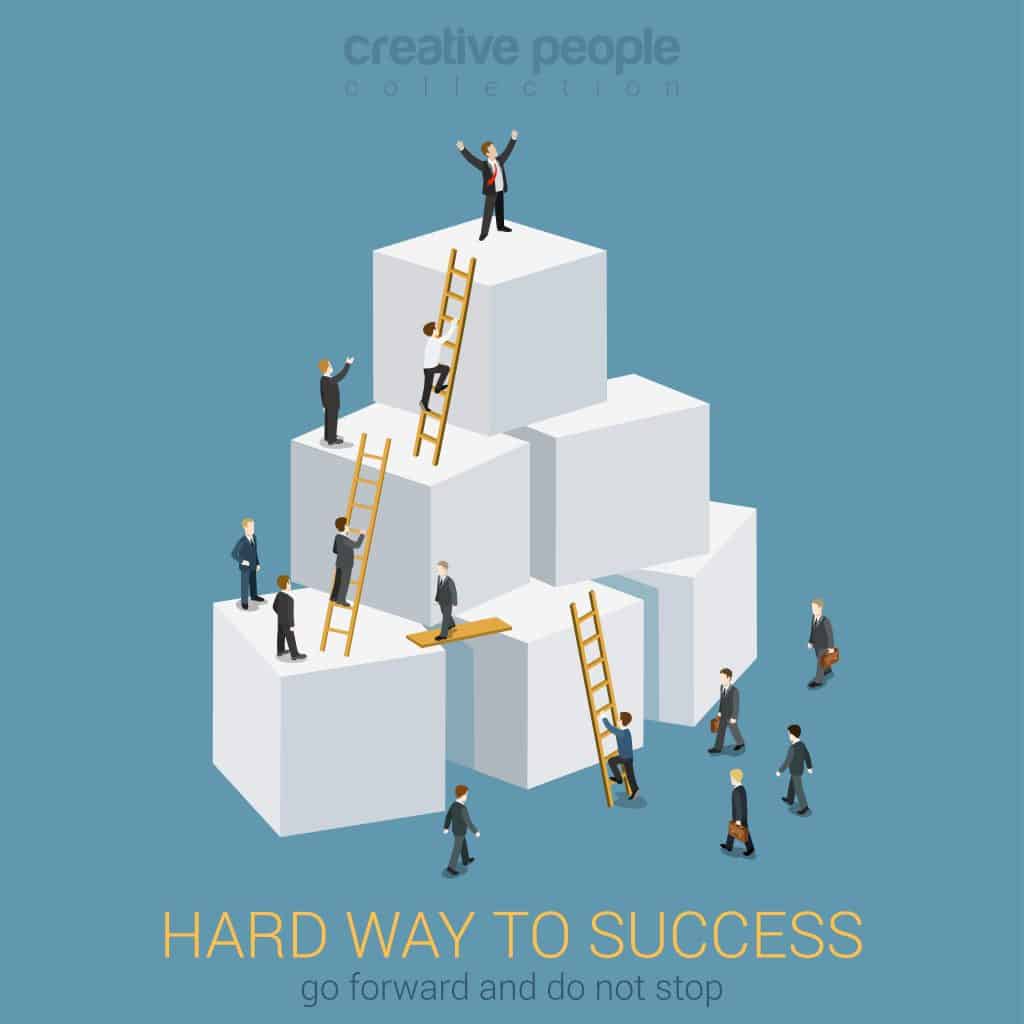
Why Strong Leadership Matters Today
Strong leadership is critical not just for guiding teams but also for shaping company culture and driving innovation. A Gallup study revealed that managers account for 70% of the variance in employee engagement. Leaders set the tone for performance, morale, and retention. In a global economy where hybrid and remote work are common, leaders face new challenges. They must navigate distributed teams, cultural diversity, and rapid technological changes. This is why focusing on the steps to build strong leadership skills is a long-term investment for both individuals and organizations.
Step 1: Develop Emotional Intelligence
One of the most important steps to build strong leadership skills is strengthening emotional intelligence (EQ). Emotional intelligence includes self-awareness, self-regulation, empathy, and social skills. Leaders with high EQ can manage their emotions under pressure, understand team dynamics, and respond with empathy. According to research published by the Harvard Business Review, leaders with strong emotional intelligence outperform those who rely solely on technical expertise. Practical ways to build EQ include:
- Practicing active listening during conversations.
- Reflecting on emotional triggers and responses.
- Seeking feedback from colleagues to identify blind spots.
As workplaces evolve, emotional intelligence has become a critical differentiator between average and outstanding leaders.
Step 2: Improve Communication Skills
Communication is at the heart of leadership. Leaders must be able to articulate vision, provide feedback, and create open dialogue with their teams. Effective communication is more than speaking clearly—it also involves listening, observing non-verbal cues, and adapting communication styles to different audiences. A leader addressing a board meeting requires a different style compared to leading a team brainstorming session. To practice this step, leaders should:
- Use clear, concise language to avoid confusion.
- Emphasize transparency, especially during times of change.
- Encourage two-way communication and ask for input from team members.
Strong communication not only boosts productivity but also builds trust and respect across teams.
Step 3: Practice Adaptability and Agility
One of the defining traits of modern leadership is adaptability. In a world shaped by constant disruption—from AI innovations to global crises—leaders must be agile. Building adaptability involves staying open to new ideas, pivoting when necessary, and helping teams embrace change. McKinsey research highlights that companies led by adaptable leaders outperform peers during periods of uncertainty. Practical strategies to improve adaptability include:
- Embracing lifelong learning to stay updated with industry trends.
- Encouraging experimentation and learning from failures.
- Building contingency plans for different scenarios.
This step is vital for leaders navigating volatile environments where the ability to respond quickly determines success.
Step 4: Strengthen Decision-Making Abilities
Decision-making is one of the most visible responsibilities of leadership. Weak decision-making erodes confidence in leaders, while strong decisions inspire trust. Today’s leaders must balance data-driven analysis with intuition and values. Decision fatigue, where leaders become overwhelmed by choices, is a growing issue. The solution is to create structured decision-making processes. Leaders can improve this skill by:
- Gathering diverse perspectives before making choices.
- Using data analytics to support decisions.
- Reflecting on past decisions to identify patterns and biases.
Strong leaders make decisions that align with both short-term needs and long-term vision, ensuring organizational resilience.
Step 5: Lead With Inclusivity and Diversity
Modern teams are diverse in terms of culture, age, background, and working styles. Strong leaders recognize that inclusivity drives innovation. According to Deloitte, inclusive companies are twice as likely to meet or exceed financial targets. Leaders who prioritize diversity create environments where all voices are valued, leading to higher engagement and creativity. Steps to build inclusivity include:
- Actively seeking input from underrepresented voices.
- Providing equal opportunities for development and advancement.
- Modeling inclusive behavior by showing respect and empathy.
Inclusivity is no longer optional; it is a defining trait of effective leadership.
Step 6: Build Resilience and Stress Management Skills
Leadership often involves high pressure, deadlines, and unexpected challenges. Without resilience, leaders risk burnout. Strong leaders not only manage their own stress but also model healthy coping mechanisms for their teams. This includes practicing mindfulness, prioritizing rest, and balancing work with personal well-being. For example:
- Taking regular breaks during long workdays.
- Using mindfulness techniques like meditation or breathing exercises.
- Setting boundaries to protect personal time.
By demonstrating resilience, leaders create cultures where well-being is respected, leading to sustainable performance.
Step 7: Cultivate a Growth Mindset
Adopting a growth mindset is another crucial step to build strong leadership skills. Leaders with a growth mindset see challenges as opportunities, not obstacles. They encourage experimentation, reward effort, and focus on learning rather than perfection. Carol Dweck’s research shows that growth-minded leaders foster environments where innovation thrives. To practice this mindset, leaders should:
- Encourage teams to take calculated risks.
- Frame failures as learning opportunities.
- Celebrate progress, not just final results.
This approach makes leaders more approachable and helps teams feel safe to contribute ideas.
Step 8: Invest in Continuous Learning
Leadership is not static; it evolves with time. The most effective leaders commit to lifelong learning. This can include reading books, attending workshops, or seeking mentorship. Digital platforms like Coursera, LinkedIn Learning, and Harvard Online make leadership development accessible to anyone. Leaders who continue learning not only stay relevant but also inspire their teams to grow. Investing in knowledge and skill-building is one of the most practical and sustainable steps to build strong leadership skills.
Step 9: Mentor and Be Mentored
Mentorship is a two-way process. Leaders benefit by guiding others while also seeking guidance from experienced professionals. Acting as a mentor helps leaders refine their own skills, while being mentored provides fresh perspectives. Research by the Association for Talent Development shows that 75% of executives credit mentors for their success. Building strong mentorship relationships accelerates leadership growth and ensures a cycle of continuous development.
Step 10: Align Leadership With Purpose
Today’s workforce seeks meaningful work. Leaders who align their vision and actions with a sense of purpose create stronger connections with their teams. Purpose-driven leadership goes beyond profit—it focuses on impact, whether that’s improving communities, advancing sustainability, or supporting employee well-being. Leaders who consistently communicate and act on purpose build loyalty and inspire higher performance.
Looking Ahead: The Future of Leadership
The future of leadership will be shaped by rapid technological change, global challenges, and shifting employee expectations. Strong leadership skills will require blending soft skills like empathy with technical understanding of tools like AI. Leaders will need to balance innovation with human connection. The steps to build strong leadership skills outlined here—emotional intelligence, communication, adaptability, decision-making, inclusivity, resilience, growth mindset, continuous learning, mentorship, and purpose—are the foundation for thriving in this new era.
Conclusion
Building leadership skills is not a one-time effort. It is a lifelong journey shaped by changing environments and personal growth. By focusing on emotional intelligence, communication, adaptability, decision-making, inclusivity, resilience, growth mindset, continuous learning, mentorship, and purpose, anyone can take steps to build strong leadership skills that inspire teams and drive success. In 2025 and beyond, strong leaders will be those who combine empathy with strategy, technology with humanity, and vision with action.
References
- Emotional Intelligence and Leadership Effectiveness: https://www.ccl.org
- Emotional Intelligence and Leader Outcomes: https://journals.sagepub.com
- Emotional intelligence, leadership, and work teams: https://pmc.ncbi.nlm.nih.gov

 Travel Destinations That Offer Cultural Immersion


