


Interior Design Tips That Maximize Small Spaces
Amelia Johnson September 24, 2025
Living in compact homes and apartments has become a defining trend in urban living. Rising housing costs, population growth in cities, and shifting lifestyle preferences mean that more people are looking for ways to make the most of smaller spaces. Fortunately, modern interior design offers countless creative solutions that enhance both functionality and comfort. With the right strategies, even the tiniest studio can feel open, organized, and stylish. In this article, we’ll explore interior design tips that maximize small spaces, focusing on emerging trends, practical techniques, and research-backed strategies shaping design in 2025.
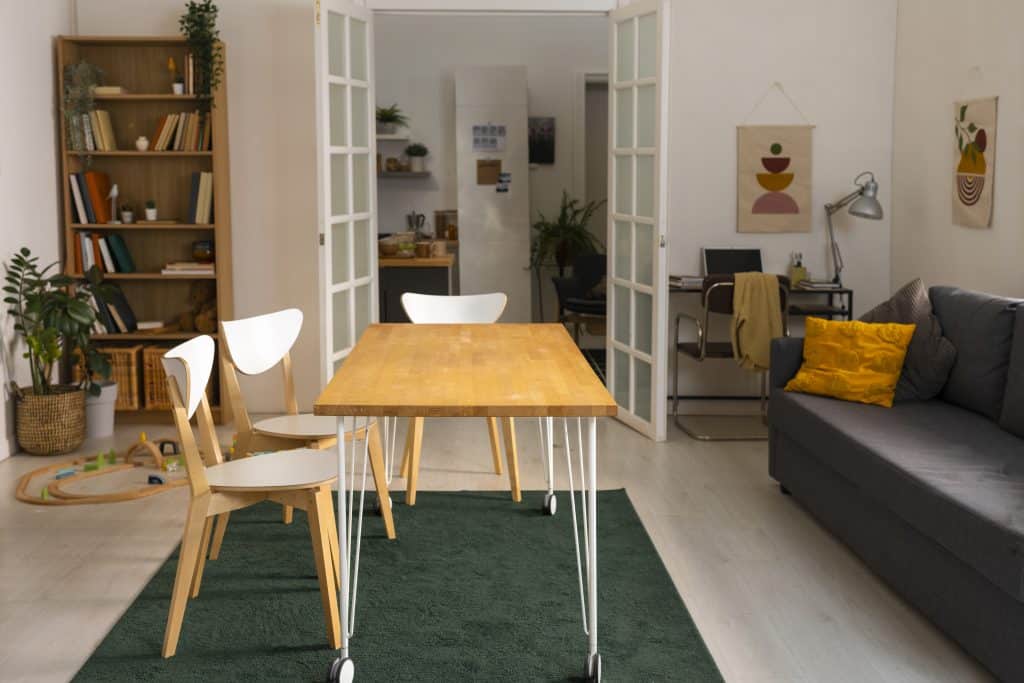
Why Small-Space Design Matters
According to the U.S. Census Bureau, the average size of new apartments in cities like New York and Los Angeles has decreased by over 5% in the last decade. A report from the Royal Institute of British Architects also highlights that many urban households are adapting to smaller living conditions, making interior design strategies more important than ever. With remote work also reshaping how people use their homes, demand for efficient layouts has surged. The goal is no longer just to save space but to create an environment that supports comfort, productivity, and well-being.
Key Interior Design Trends for Small Spaces
1. Multifunctional Furniture
Multifunctional furniture is one of the most effective ways to maximize space. Popular examples include sofa beds, fold-out desks, and expandable dining tables. Brands are innovating with modular furniture that adapts to various needs, such as shelving units that convert into desks or beds with built-in storage. This trend reflects a broader shift toward flexibility, especially as more people need their homes to serve as both living and working spaces.
2. Vertical Storage Solutions
When square footage is limited, walls become invaluable. Vertical storage through tall cabinets, shelving, or wall-mounted racks creates more room without sacrificing floor space. Floor-to-ceiling bookcases and kitchen storage systems are increasingly popular in urban apartments. Designers often use vertical lines not only to save space but also to make ceilings look higher, creating a more open feel.
3. Open-Concept Layouts with Zoning
Small homes benefit from open layouts that remove unnecessary partitions, but the key is creating distinct zones. Rugs, lighting, and furniture placement are now widely used to separate dining, working, and relaxing areas. This approach maintains openness while adding structure. For instance, a sofa can serve as a divider between a living area and a small dining space.
4. Smart Home Integration
Smart devices aren’t just about convenience—they also improve efficiency in small spaces. Compact appliances, automated lighting, and climate control systems reduce clutter while optimizing functionality. For example, voice-activated assistants can replace multiple remotes, and smart lighting can make a room appear larger by adjusting brightness and color tones throughout the day.
5. Minimalist Aesthetic with Personalization
Minimalism remains a leading design trend for small spaces. By focusing on essentials, rooms feel less cramped. However, personalization has become just as important. In 2025, designers encourage layering textures, colors, and curated decor pieces to reflect individuality without overwhelming the space. A minimalist foundation with select personal touches balances simplicity and character.
Practical Interior Design Tips That Maximize Small Spaces
1. Optimize Lighting for Openness
Natural light is one of the most powerful tools in small-space design. Sheer curtains or blinds allow maximum sunlight, making rooms feel larger. Strategically placed mirrors also reflect light and create the illusion of space. Layering artificial lighting with wall sconces, pendant lights, and LED strips prevents rooms from appearing flat or dim.
2. Use Neutral Colors with Bold Accents
Light colors such as white, beige, or light gray make rooms appear larger, but accents add vibrancy. A bold-colored rug, throw pillows, or a statement wall prevents spaces from feeling bland. According to research from the Color Marketing Group, layered neutral tones combined with bold accents create harmony while still energizing small interiors.
3. Maximize Corners and Hidden Spaces
Corners are often overlooked but can be turned into valuable design opportunities. Corner shelves, built-in benches, or angled desks make use of these underutilized areas. Hidden storage solutions, such as under-bed drawers or ottomans with compartments, also free up space without cluttering the room.
4. Invest in Modular and Stackable Pieces
Modular furniture adapts as needs change. Stackable chairs, collapsible tables, and adjustable shelving provide flexibility for small apartments. These pieces allow homeowners to easily transition between entertaining guests, working from home, or relaxing.
5. Prioritize Dual-Purpose Rooms
Instead of assigning a single function to each space, small homes thrive on dual-purpose design. A home office corner can double as a craft area, while a guest room can include a fold-out sofa for everyday use. Blending functions is particularly relevant in today’s remote-first lifestyle.
6. Create Visual Continuity
Using similar flooring and cohesive design elements throughout a small space creates a sense of flow. For instance, extending the same wood flooring from the living room to the kitchen makes the area feel larger and unified. Avoiding abrupt visual breaks is a simple yet effective way to expand perception.
Case Studies: Small-Space Innovation
Tokyo’s Micro-Apartments
Tokyo is known for its compact housing, and interior designers there have pioneered space-saving methods. Built-in furniture, elevated sleeping areas, and hidden storage maximize limited square footage while maintaining functionality.
Scandinavian Design in Urban Studios
Scandinavian interiors emphasize light, functionality, and minimalism. In Stockholm and Copenhagen, small apartments often feature neutral palettes, multifunctional furniture, and clever storage, proving that design simplicity can create a sense of spaciousness.
New York City Co-Living Spaces
In NYC, co-living apartments are gaining traction. These shared environments prioritize efficient design with modular furniture, shared common areas, and personalized private spaces, showing how community and design can work hand in hand in small spaces.
Common Mistakes to Avoid in Small-Space Design
- Overcrowding with Furniture: Too many pieces overwhelm the room. Focus on essentials.
- Ignoring Scale: Large furniture dominates small spaces. Opt for appropriately sized pieces.
- Poor Lighting: Dim or uneven lighting makes spaces feel smaller. Layer lighting thoughtfully.
- Cluttered Decor: Too many accessories make rooms chaotic. Curate items intentionally.
Future of Small-Space Interior Design
As cities become denser, the demand for efficient small-space solutions will continue to grow. Designers are increasingly incorporating sustainability into compact homes by using recycled materials, energy-efficient appliances, and furniture made from eco-friendly sources. Technology will also play a larger role, with AR and VR tools allowing homeowners to visualize layouts before making changes. By 2030, small-space design will likely blend smart living, sustainability, and personal well-being into seamless, functional homes.
Conclusion
Living small doesn’t mean sacrificing comfort or style. With strategic planning and creative choices, interior design tips that maximize small spaces can transform compact homes into functional, beautiful environments. From multifunctional furniture to smart lighting and vertical storage, emerging trends emphasize flexibility, efficiency, and personality. As urban living continues to evolve, mastering small-space design will remain essential for creating homes that feel spacious, inviting, and supportive of modern lifestyles.
References
- General small-space design & tips- https://www.hgtv.com
- Trends & projections for 2025- https://www.decorilla.com
- Supporting specific claims- https://www.marthastewart.com

 Secrets to Glowing Skin Without Harsh Chemicals


