


Interior Design Ideas That Reflect Personal Style
Amelia Johnson September 25, 2025
In 2025, interior design has become less about following strict trends and more about creating spaces that reflect individuality and personal style. With people spending more time at home due to hybrid work and lifestyle changes, the focus has shifted toward making interiors feel authentic, comfortable, and expressive. Homeowners are embracing design as a form of self-expression, combining functionality with aesthetics in ways that highlight who they are. Whether through bold colors, custom furniture, or curated collections, interior design ideas that reflect personal style are transforming modern living. This article explores the latest trends, practical tips, and cultural influences shaping how people express themselves through their living spaces today.
Why Personal Style Matters in Interior Design
Personal style in interior design is more than just aesthetics—it impacts how people feel and interact with their spaces. Research from the Journal of Environmental Psychology shows that personalized interiors can improve well-being and foster a sense of belonging. When rooms reflect values, passions, or memories, they create a deeper connection between the individual and their environment. In 2025, this philosophy is driving a shift away from cookie-cutter décor toward interiors that tell a story.
Trend 1: Maximalist Expression
Minimalism dominated the last decade, but in 2025, maximalism is back—though with a refined edge. Instead of clutter, maximalist design focuses on layering colors, textures, and patterns that reflect individuality. People are mixing vintage finds with contemporary art, showcasing eclectic collections, and embracing bold wallpapers or murals. This approach encourages freedom of expression, allowing each room to become a reflection of personal taste rather than adhering to uniform design rules.
Trend 2: Personalized Color Palettes
Color has always been central to design, but personalization is now shaping its use. According to a 2024 Sherwin-Williams report, 65% of homeowners say they choose wall colors that reflect their personality rather than following annual color trends. Whether it’s deep jewel tones, earthy neutrals, or pastel shades, the emphasis is on choosing colors that evoke personal emotions and memories. Digital tools also make it easier than ever to experiment with palettes before committing, ensuring that spaces feel uniquely tailored.
Trend 3: Custom and Handcrafted Furniture
Mass-produced furniture is giving way to bespoke and handcrafted pieces that embody individuality. In 2025, startups and artisans are offering customizable options, from modular shelving to made-to-order sofas. These items allow homeowners to incorporate specific finishes, dimensions, or materials that suit their lifestyle. The trend also ties into sustainability, as people increasingly value quality over quantity. A custom piece becomes both functional and a statement of identity.
Trend 4: Incorporating Cultural Heritage
One of the most significant ways to reflect personal style is through cultural heritage. Whether it’s textiles, ceramics, or traditional art, incorporating cultural elements creates meaningful connections. The global rise of cultural fusion in design reflects both diversity and inclusivity. For example, Scandinavian-inspired simplicity might be blended with African prints, or Japanese minimalism combined with Latin American textures. This layering of cultural influences produces interiors that celebrate identity while remaining modern.
Trend 5: Curated Collections and Storytelling
A growing movement in interior design focuses on telling stories through objects. People are showcasing personal collections—such as travel souvenirs, vinyl records, or family heirlooms—by integrating them into design. Instead of hiding belongings in storage, curated displays allow these items to become conversation pieces. This shift transforms rooms into storytelling environments, reinforcing individuality while creating spaces with depth and character.
Trend 6: Wellness-Centered Personalization
Wellness remains a strong driver in interior design, but personalization makes it more impactful. Biophilic elements such as plants, natural light, and organic textures are being incorporated in ways that align with individual preferences. For instance, some homeowners build meditation corners with calming tones, while others design energizing home gyms with vibrant palettes. This customized approach ensures that wellness design is not generic but tied to lifestyle and emotional needs.
Practical Tips for Reflecting Personal Style at Home
- Define your design identity. Start by identifying what inspires you—whether it’s nature, travel, art, or heritage—and let these themes guide your design choices.
- Mix old with new. Combine heirlooms or vintage finds with modern furniture to create a balance that feels authentic.
- Experiment with color. Choose palettes based on what resonates emotionally, not just what’s trending. Test small areas before committing to larger spaces.
- Showcase collections. Display personal items in thoughtful ways—shelving, gallery walls, or curated vignettes can add personality without clutter.
- Invest in customization. Where possible, opt for bespoke or modular pieces that suit your space and lifestyle rather than one-size-fits-all solutions.
- Embrace eclecticism. Don’t be afraid to mix patterns, textures, and styles—done with intention, this creates visual richness and individuality.
- Prioritize comfort. Style should not compromise comfort. Choose furnishings and layouts that reflect how you actually live and move in your home.
Emerging Tech Tools for Personalized Design
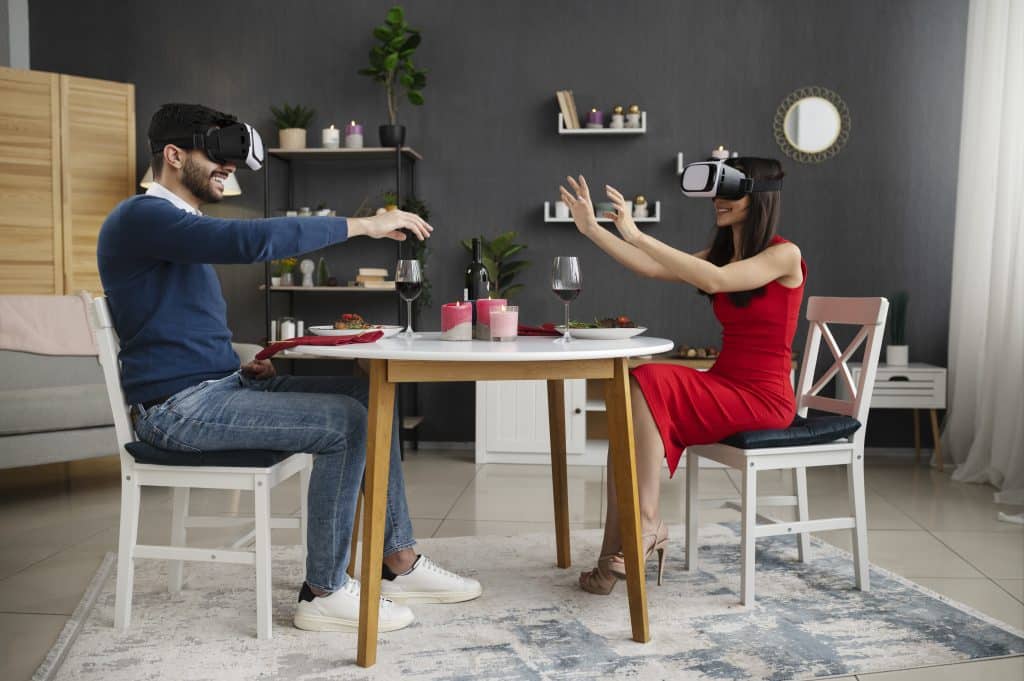
Technology is also enabling greater personalization. Augmented reality (AR) apps now allow homeowners to visualize design changes in real time, helping them make confident decisions. Artificial intelligence is being integrated into design platforms to recommend layouts or décor ideas based on user preferences. Startups are also offering subscription-based décor kits curated around individual tastes, making personalization accessible and flexible.
Sustainable Design as Self-Expression
Sustainability is increasingly intertwined with personal style. Many homeowners are choosing eco-friendly materials, second-hand furniture, or locally sourced goods not only for environmental reasons but also as an expression of values. A 2024 report from Deloitte found that 73% of consumers prefer brands aligned with sustainability, and this preference extends into interior design. By choosing green products, homeowners reflect both their identity and their commitment to the planet.
Case Study: Reflecting Personality Through Design
Consider a homeowner who loves travel and music. Their living room may feature a gallery wall of framed concert posters, a globally inspired rug, and a custom-built bookshelf showcasing souvenirs. The furniture could be a mix of mid-century modern pieces with artisanal touches. This space becomes more than a room—it’s a reflection of passions, experiences, and personal identity. Case studies like these demonstrate how interiors can evolve from functional spaces into deeply personal environments.
Conclusion: The Future of Personal Style in Interior Design
Interior design ideas that reflect personal style in 2025 are redefining how people interact with their homes. By embracing individuality through color, furniture, heritage, collections, and wellness, homeowners are moving away from trend-driven design to create spaces that truly feel like their own. Technology and sustainability are amplifying this movement, providing new ways to customize and align interiors with values. The future of design lies in authenticity—spaces that not only look good but also tell the story of the people who live in them.
References
- Future of Interior Design: https://dezime.ai/blogs
- BoConcept Unveils 2025 Design Trends: https://1851franchise.com
- 20 Interior Design Trends 2025: https://www.decorilla.com

 Fitness Challenges That Are Fun and Effective


