


How Music and Arts Enhance Mental Wellbeing
Benjamin Scott September 17, 2025
In 2025, mental health continues to be a top priority for individuals around the world. Amid the daily stress and pressures of life, music and the arts have become powerful tools for improving mental wellbeing. New research shows that engaging with music or creating art can significantly reduce stress, foster emotional resilience, and improve overall mental health.
Creative activities have long been known to have therapeutic benefits. Whether you are listening to music, painting, or participating in music therapy, these activities can positively impact your emotional and cognitive health. This article explores how music and the arts enhance mental wellbeing, highlighting the latest trends and offering practical advice on incorporating creative activities into your routine for better mental health.
The Science Behind Music and Arts for Mental Wellbeing
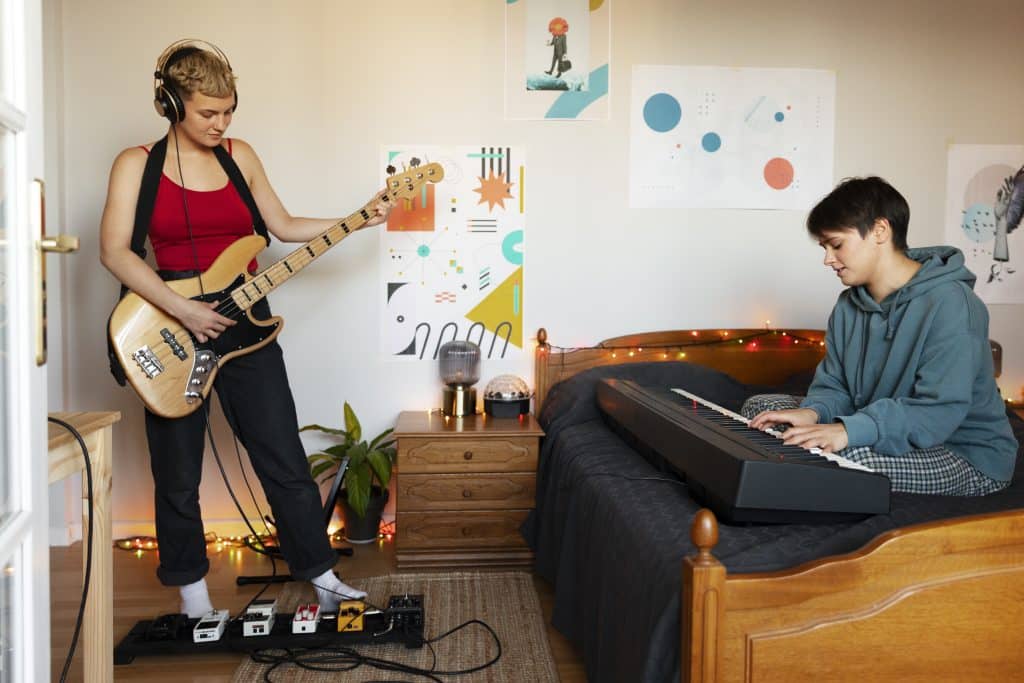
Music and arts have a profound effect on the brain and emotional state. According to the American Psychological Association, engaging in artistic activities leads to the release of dopamine, a neurotransmitter linked to happiness and emotional regulation. Activities such as listening to music or creating art help combat stress and boost mood.
Moreover, research from the National Institutes of Health (NIH) shows that art and music therapy can improve cognitive function, reduce anxiety, and provide a valuable outlet for emotional expression. This aligns with the growing trend of integrating music and arts into mental health care, as these practices offer a holistic approach to healing.
1. Music Therapy: A Powerful Tool for Emotional Healing
In 2025, music therapy has gained widespread recognition as an effective treatment for improving mental health. This form of therapy uses sound, rhythm, and melody to help individuals heal emotionally, reduce stress, and improve social functioning. Music therapy has been proven to be particularly helpful for those suffering from anxiety, depression, and PTSD.
How Music Therapy Helps:
- Mood Regulation: Listening to calming music or playing an instrument can trigger the brain’s pleasure centers, which helps improve mood and reduce stress.
- Cognitive Benefits: Music stimulates brain activity, improving focus, memory, and cognitive function. Studies show that engaging with music can also enhance problem-solving skills.
- Emotional Expression: Music therapy provides a safe outlet for individuals to express their emotions, especially for those who have difficulty verbalizing their feelings.
Recent Trends in Music Therapy:
- Virtual Music Therapy: With the rise of telehealth, online music therapy sessions are now more accessible than ever, allowing people to receive therapy from the comfort of their homes.
- Music Apps for Wellbeing: Apps like Calm and Spotify are incorporating music therapy principles by offering curated playlists designed to reduce anxiety and improve focus.
Key Benefits:
- Better emotional regulation
- Enhanced cognitive function
- Increased emotional expression
2. Art Therapy: Express Yourself and Heal
Art therapy is another growing trend that continues to gain attention in 2025. This therapeutic practice involves creating visual art to express emotions and work through difficult experiences. Art therapy has shown positive effects for people with trauma, depression, and anxiety as it provides a non-verbal way to process complex emotions.
How Art Therapy Helps:
- Reduces Stress: Creating art can lower cortisol levels, the hormone associated with stress, and helps individuals stay focused on the present moment.
- Boosts Self-Esteem: The creative process promotes a sense of accomplishment, which can boost confidence and self-worth.
- Facilitates Healing: Art therapy offers a safe space for emotional exploration and expression, allowing individuals to work through deep-rooted feelings and experiences.
Recent Trends in Art Therapy:
- Online Art Therapy: Just like music therapy, art therapy has gone digital. Online platforms now allow individuals to engage in art therapy sessions remotely.
- DIY Art Therapy Kits: Several companies offer art kits specifically designed to help individuals engage in therapeutic art exercises at home.
Key Benefits:
- Emotional healing and self-expression
- Stress and anxiety reduction
- Increased self-esteem and confidence
3. The Rise of Multidisciplinary Practices: Combining Music and Art for Holistic Wellbeing
One of the most exciting trends in 2025 is the rise of multidisciplinary therapeutic practices. By combining music, visual arts, dance, and movement, this approach provides a more comprehensive healing experience. Using multiple forms of creative expression can help individuals explore emotions from different angles, offering a deeper level of healing.
For example, some therapy practices now combine guided music sessions with art creation. This multidisciplinary approach is particularly helpful for individuals who struggle to express themselves using only one form of creative expression. It is also proving to be effective for individuals dealing with trauma, as it allows them to process and express their feelings in a variety of ways.
Key Benefits of Combining Music and Art:
- Enhanced Emotional Release: Engaging with both music and art allows individuals to express emotions they might find difficult to express using just one medium.
- Improved Focus: Using both music and art helps participants focus their minds, reducing stress and boosting mental clarity.
- Increased Creativity: This approach stimulates creativity, making it easier to find new ways to process emotions.
Key Benefits:
- More comprehensive emotional expression
- Greater mental clarity and focus
- Enhanced creativity and problem-solving skills
4. Music and Arts in the Workplace: Enhancing Employee Wellbeing
In 2025, workplace wellbeing is a top priority for many organizations. As remote work becomes more common, companies are looking for new ways to improve employee wellbeing. Music and art are becoming important tools in workplace wellness programs, with many organizations incorporating creative practices into their employee benefits.
Workplace Trends:
- Soundscapes for Focus: Many companies now use curated playlists or background music in offices and remote workspaces to enhance concentration and reduce distractions.
- Art in the Workplace: Businesses are introducing visual art into office spaces to improve the atmosphere and reduce stress among employees.
- Creative Breaks: Some companies are offering employees “creative breaks” to engage in activities like sketching, listening to music, or taking short art therapy sessions to reduce stress.
Key Benefits:
- Increased productivity and creativity
- Reduced employee stress and burnout
- Enhanced morale and job satisfaction
5. Digital Platforms for Music and Art Therapy
In 2025, the rise of digital platforms has made music and art therapy more accessible than ever. Online tools, apps, and virtual therapy platforms now allow individuals to engage in creative therapy from the comfort of their own homes. These digital platforms provide guided music therapy sessions, creative exercises, and interactive workshops that can improve mental health.
Popular Platforms:
- Music Therapy Apps: Platforms like Calm and Headspace offer curated music playlists designed to help users manage stress, relax, and improve focus.
- Art Therapy Websites: Websites like Art for the Heart offer art challenges and virtual workshops designed to help users express emotions and find relief from stress and anxiety.
Key Benefits:
- Greater accessibility to therapeutic resources
- Convenience of remote therapy sessions
- Personalized creative exercises
Conclusion
Music and the arts have long been recognized as tools for emotional expression and mental healing. In 2025, these creative practices are not only helping people process emotions but also enhancing mental wellbeing in significant ways. As research continues to support the therapeutic benefits of music and art, these practices are becoming an integral part of mental health care, both in therapy settings and in daily life.
By embracing music and arts therapy, individuals can foster emotional resilience, manage stress, and improve their overall mental health. As these trends continue to grow, integrating creative practices into your routine can have lasting positive effects on your emotional and cognitive well-being.
References
- The Science Behind Music Therapy- https://www.apa.org/
- Music and Art Therapy Research- https://www.nih.gov/
- Mental Health and Art Therapy- https://www.who.int/

 Key Skills That Boost Career Development Opportunities


