


How Home Design Influences Mental Health
Amelia Johnson September 22, 2025
In 2025, more homeowners, renters, and designers are recognizing that how home design influences mental health is just as important as functionality or style. The global shift toward remote work, urban living, and wellness-driven lifestyles has elevated the role of interiors in shaping emotional well-being. Instead of treating home design purely as an aesthetic choice, people now see it as a tool for reducing stress, improving focus, and fostering relaxation. This emerging perspective is supported by research in psychology, neuroscience, and environmental design, which shows that elements like light, color, layout, and even textures can directly affect mood and cognitive performance.
According to the American Psychological Association, clutter and poor interior design are linked to higher cortisol levels, leading to stress and anxiety. Meanwhile, studies published in The Journal of Environmental Psychology confirm that natural light and greenery improve mood, focus, and sleep quality. As mental health becomes a mainstream concern worldwide, the intersection of design and psychology is emerging as one of the most significant trends in housing and lifestyle.
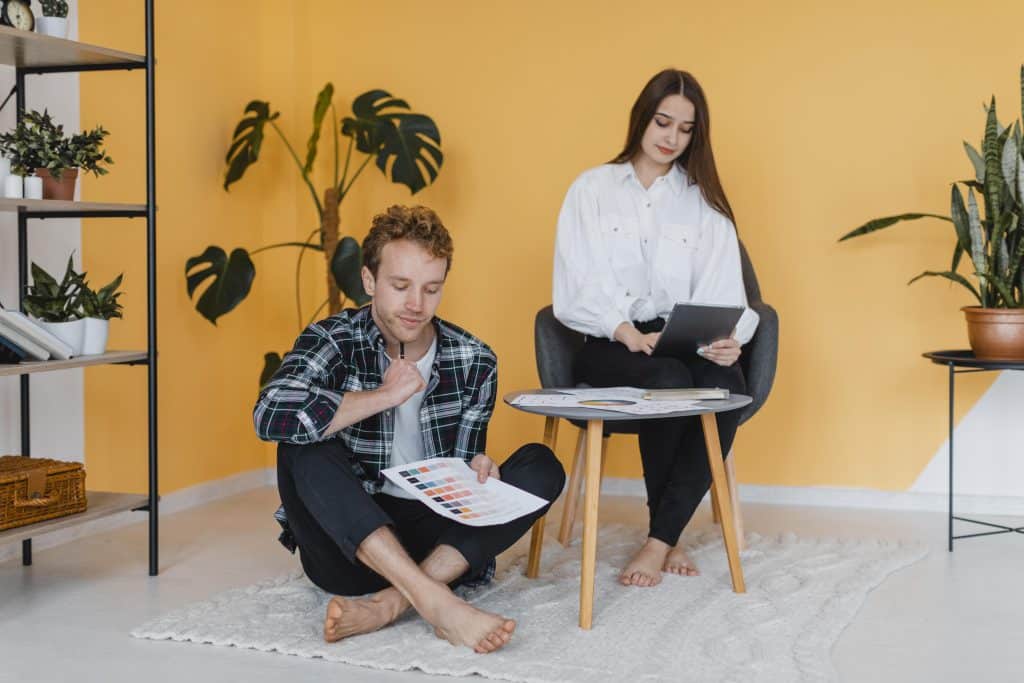
Why Home Design and Mental Health Are Connected
Home is more than a shelter—it is the environment where people spend most of their time. For those working from home, the boundary between personal and professional life often blurs, making interior design choices critical for maintaining balance. Good design supports relaxation, creativity, and productivity, while poor design can trigger stress, fatigue, and irritability. Simple factors like airflow, room layout, and even paint color can alter how safe, calm, or energized someone feels in their space.
Emerging Trends in Home Design That Influence Mental Health
1. Biophilic Design
Biophilic design, which integrates natural elements into interiors, has grown significantly in popularity. In 2025, designers are using more indoor plants, natural wood, stone finishes, and large windows to foster connections with nature. Research from the University of Exeter showed that incorporating greenery into workplaces improved productivity by 15 percent. At home, biophilic design reduces stress, enhances creativity, and supports emotional balance.
2. Lighting as a Wellness Tool
Lighting has become a cornerstone of mental health-driven design. Circadian lighting systems, which mimic natural daylight cycles, are increasingly being used to regulate sleep and energy levels. Studies show that poor lighting contributes to eye strain, fatigue, and seasonal affective disorder (SAD). By contrast, bright, well-placed lighting creates uplifting environments, while warm-toned evening lights promote relaxation and better sleep.
3. Minimalism and Decluttering
Minimalism continues to shape home design trends, but in 2025 it is evolving into “mindful minimalism.” Instead of stark, empty rooms, the focus is on intentional living—keeping items that add value while reducing clutter that causes stress. A UCLA study linked cluttered environments with higher stress hormone levels in women. By designing homes with ample storage solutions, neutral color palettes, and open layouts, minimalism fosters clarity and calmness.
4. Flexible and Multi-Functional Spaces
The rise of remote work and hybrid lifestyles has increased the need for flexible interiors. Home offices that double as guest rooms, dining areas that convert into workspaces, and modular furniture are becoming standard. Having spaces that adapt to changing needs reduces the stress of limited square footage while supporting balance between work and relaxation. Flexibility in design helps individuals maintain control over their environments, a factor linked to improved mental health.
5. Color Psychology in Interiors
Color plays a major role in influencing emotions. In 2025, designers are leaning into color psychology to improve well-being. For example, soft blues and greens are used for calming spaces like bedrooms, while warm tones such as terracotta and beige create cozy, grounded living rooms. According to research from the National Center for Biotechnology Information, colors affect mood and perception, making intentional color choices a vital aspect of home design for mental health.
6. Acoustic Comfort
Noise is a hidden stressor in many households, particularly in urban environments. Soundproofing materials, acoustic panels, and smart home technologies that block external noise are increasingly popular. Studies have shown that excessive noise exposure increases stress and disrupts sleep. By prioritizing acoustic comfort, homes become safe havens that support relaxation and focus.
7. Wellness Rooms and Restorative Spaces
A growing number of homeowners are dedicating spaces to mental health practices such as yoga, meditation, or quiet reading. These wellness rooms often feature calming colors, natural light, and minimal distractions. Even small spaces, like a corner with a chair and greenery, serve as restorative zones. This trend reflects a broader recognition that homes should not only function but also nurture mental well-being.
Practical Tips: How to Design Homes That Support Mental Health
- Maximize natural light: Arrange furniture near windows, use sheer curtains, and add mirrors to amplify sunlight.
- Bring in nature: Incorporate houseplants, natural textures, and outdoor views to reduce stress.
- Declutter regularly: Adopt storage solutions and minimalist design to keep spaces organized and calming.
- Use calming colors: Choose blues, greens, or soft neutrals for bedrooms and workspaces to support focus and relaxation.
- Invest in ergonomic furniture: Good posture improves both physical comfort and mood, especially in home offices.
- Improve air quality: Use plants, air purifiers, or natural ventilation to keep the environment fresh.
- Create zones for different activities: Designate areas for work, rest, and play to avoid blurred boundaries.
- Incorporate personal touches: Display photos, artwork, or objects with emotional value to create a sense of comfort and belonging.
- Prioritize sleep: Choose blackout curtains, soundproofing, and circadian lighting to improve rest.
- Use scents and textures: Natural aromas like lavender and tactile materials like linen can create calming atmospheres.
Benefits of Home Design That Supports Mental Health
Adopting design strategies that prioritize mental health has multiple benefits. Residents experience reduced stress, improved sleep, and greater productivity. A well-designed home can also enhance social connections by creating inviting spaces for family and friends. On a broader scale, healthier homes contribute to overall public well-being by reducing mental health burdens and improving quality of life.
Challenges in Mental Health-Driven Design
Despite its advantages, designing homes that support mental health comes with challenges. Budget constraints often limit access to high-quality design materials or technologies. Urban housing, with smaller layouts and less natural light, poses difficulties for implementing some strategies. Additionally, personal preferences vary widely—what feels calming to one person may feel restrictive to another. Overcoming these challenges requires creative solutions, such as using multifunctional furniture, affordable DIY projects, and personalized design approaches.
The Future of Home Design and Mental Health
Looking forward, the link between home design and mental health will only grow stronger. Smart homes will integrate wellness features such as air quality sensors, circadian lighting, and personalized climate control. Biophilic design will expand, with architects incorporating rooftop gardens, living walls, and community green spaces in residential projects. Mental health considerations will also become part of building codes and real estate marketing, reflecting a societal shift toward holistic wellness. Ultimately, homes will be designed not just to house people but to actively support their emotional and psychological well-being.
In conclusion, understanding how home design influences mental health is essential for creating environments that promote balance, productivity, and relaxation. From biophilic design and mindful minimalism to circadian lighting and wellness rooms, the trends in 2025 highlight the growing awareness of how interiors shape daily life. While challenges remain, practical strategies such as maximizing natural light, using calming colors, and reducing clutter make it possible for anyone to create a mentally supportive home. As more people recognize the role of their environment in shaping emotions, home design will continue to evolve as a powerful tool for improving mental health.
References
- Clutter, Cortisol, and Mental Load, https://www.psychologytoday.com
- Enlightening wellbeing in the home: https://www.sciencedirect.com
- Lighting up living spaces to improve, https://www.sciencedirect.com

 Fitness Challenges That Are Fun and Effective


