


Gardening Techniques That Encourage Sustainability
Amelia Johnson September 26, 2025
In 2025, sustainable gardening is no longer just a trend; it has become a necessity for those who want to contribute positively to the environment. With climate change and growing concerns about resource depletion, gardeners are increasingly turning to practices that minimize their ecological impact while still creating beautiful, thriving spaces. Sustainable gardening techniques not only enhance the health of your garden but also promote long-term environmental benefits.
In this article, we’ll explore the latest sustainable gardening techniques for 2025. From water conservation methods to reducing plastic waste, these practices will help you build a more eco-friendly, resilient garden that nurtures both your plants and the planet.
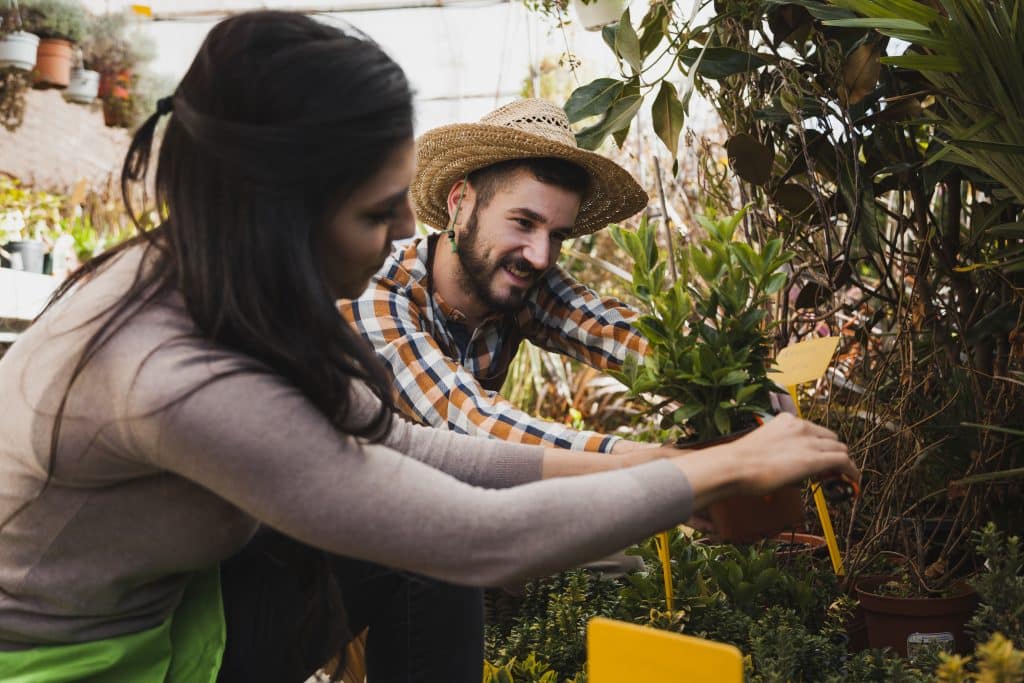
Why Sustainability Is Crucial in Gardening
The environmental impact of traditional gardening can be significant, with issues like excessive water use, plastic waste, and chemical fertilizers taking a toll on local ecosystems. In 2025, sustainable gardening techniques aim to address these concerns by promoting eco-friendly methods that are better for both the environment and gardeners themselves. By reducing waste, conserving resources, and supporting biodiversity, these practices ensure that your garden can thrive without harming the planet.
For instance, according to a report from The Royal Horticultural Society (RHS), gardeners who embrace sustainable practices help reduce carbon footprints and support wildlife conservation. The rise in eco-conscious gardening is not just about personal responsibility; it’s about creating a greener future for all.
1. Water Conservation: Essential for Sustainable Gardens
Water scarcity is one of the most pressing environmental issues of our time. In 2025, more gardeners are looking for ways to conserve water while still maintaining lush, vibrant gardens. Fortunately, there are several effective techniques that reduce water usage without compromising plant health.
Effective Water Conservation Strategies:
- Rainwater Harvesting: Installing rain barrels or more advanced systems to collect rainwater is an easy and effective way to conserve water. This water can be used to irrigate gardens, providing a sustainable alternative to municipal water.
- Drip Irrigation: Drip irrigation delivers water directly to plant roots, minimizing evaporation and runoff. This method ensures that plants receive the precise amount of water they need, reducing waste.
- Drought-Tolerant Plants: Planting drought-resistant species that thrive in your local climate can significantly reduce the need for regular watering. These plants are well-adapted to surviving with less water, making them perfect for sustainable gardening.
Using these water-saving techniques, you can maintain a healthy, green garden while minimizing water consumption.
2. Composting: Enriching Soil and Reducing Waste
Composting is one of the simplest and most effective ways to create a sustainable garden. By recycling organic matter, gardeners can reduce waste and improve soil health. Composting not only helps cut down on landfill waste but also provides nutrient-rich soil that promotes plant growth and reduces the need for chemical fertilizers.
Composting Tips for 2025:
- Bokashi Composting: This fermentation-based method breaks down food waste quickly and is ideal for gardeners with limited space. Bokashi composting is particularly effective for apartment dwellers and urban gardeners.
- Compost Tumblers: These rotating compost bins make it easier to mix and aerate your compost, speeding up the process. Tumblers are compact, efficient, and suitable for small spaces.
- Vermiculture (Worm Composting): Using worms to compost organic waste is another sustainable method that produces nutrient-rich worm castings. These castings are an excellent, natural fertilizer for your garden.
By composting, you not only reduce waste but also improve soil structure, allowing plants to thrive in a healthier environment.
3. Permaculture: Designing for Long-Term Sustainability
Permaculture is an ecological design system that emphasizes creating self-sustaining, resilient gardens. Based on the principles of working with nature, permaculture focuses on minimizing external inputs and maximizing the natural processes within your garden. In 2025, many gardeners are turning to permaculture to create more sustainable, low-maintenance landscapes.
Key Permaculture Principles:
- Observe and Interact: Spend time observing your garden and the natural systems at play. Understanding how plants, animals, and insects interact allows you to design a garden that works with nature.
- Use Renewable Resources: Permaculture encourages using resources that are sustainable and renewable. Solar energy, rainwater, and compost are all central to the permaculture philosophy.
- Increase Biodiversity: Planting a diverse range of species helps maintain a balanced ecosystem, making your garden more resilient to pests, diseases, and extreme weather events.
Permaculture can be applied to any garden, from small city plots to large rural farms. It is a comprehensive approach that not only improves garden productivity but also supports environmental sustainability.
4. Native Plants: Supporting Local Ecosystems
In 2025, gardeners are increasingly opting for native plants that are adapted to their local environment. These plants provide numerous benefits, both to the garden and to the local ecosystem. Native plants require less water, are more resistant to pests and diseases, and support local wildlife, including pollinators, birds, and beneficial insects.
Benefits of Planting Native Species:
- Water Efficiency: Native plants are adapted to local weather conditions and require less water, making them ideal for sustainable gardening in areas with water shortages.
- Attracting Pollinators: Native plants provide essential habitat and food for local pollinators like bees, butterflies, and hummingbirds. This helps support biodiversity and the health of local ecosystems.
- Low Maintenance: Since native plants are suited to local soils and climates, they typically require less maintenance than non-native species. This means fewer chemical fertilizers, pesticides, and extra watering.
By choosing native plants for your garden, you can create a beautiful, low-maintenance space that benefits both the environment and local wildlife.
5. Vertical Gardening: Maximizing Space and Reducing Environmental Impact
Vertical gardening is a fantastic solution for those with limited space or who want to grow more in a small area. This technique involves growing plants upwards rather than outwards, using structures like trellises, towers, and walls. In urban environments where space is at a premium, vertical gardens allow you to grow herbs, vegetables, and flowers without taking up valuable ground space.
Benefits of Vertical Gardening:
- Space-Efficient: Vertical gardens are ideal for small yards, balconies, or urban areas. They allow gardeners to maximize their growing space by using vertical structures.
- Reduced Waste: Vertical gardening can help minimize soil erosion and reduce the environmental impact of traditional gardening, as it typically requires less soil and water.
- Easy Access: Vertical gardens make it easier to access plants for harvesting or maintenance, as they can be grown at eye level or on shelves that are easy to reach.
Whether you use vertical garden towers or create your own DIY structures, this method is both sustainable and space-efficient, offering a way to grow more with fewer resources.
6. Reducing Plastic in the Garden: Eco-Friendly Alternatives
Plastic pollution is a growing environmental issue, and many gardeners are actively seeking ways to reduce their use of plastic in their gardens. In 2025, gardeners are opting for sustainable alternatives to plastic products, including planters, tools, and garden decorations.
Eco-Friendly Alternatives to Plastic:
- Biodegradable Pots: Use pots made from materials like coconut coir, bamboo, or peat instead of plastic. These pots break down over time and add valuable nutrients to the soil.
- Sustainable Tools: Look for garden tools made from eco-friendly materials like wood, metal, or bamboo. These tools are durable, effective, and far less harmful to the environment than plastic alternatives.
- Natural Mulches: Instead of plastic weed barriers, use organic mulches like wood chips, straw, or leaves. These materials are compostable and help improve soil quality.
By choosing sustainable materials, gardeners can significantly reduce their environmental impact while maintaining beautiful, functional gardens.
Conclusion
Sustainable gardening practices are more important than ever in 2025. By incorporating techniques like water conservation, composting, and permaculture, gardeners can create eco-friendly spaces that contribute to a healthier planet. Whether you’re working with a small apartment balcony or a large backyard, there are countless ways to make your garden more sustainable and support the environment.
By embracing these sustainable gardening trends, you can reduce your carbon footprint, support biodiversity, and create a more resilient garden that will thrive for years to come.
References
- What Is Permaculture Gardening & Why Is It a “Growing” Trend? https://blog.anawaltlumber.com
- Top 5 Organic Gardening Trends to Watch in 2025, https://unclejimswormfarm.com
- Watering Trends in 2025 That Will Make Gardening Smarter and More Sustainable, https://swanhose.com

 Wellness Practices That Support Mental and Physical Health


