


Gardening Techniques That Encourage Seasonal Planting
Amelia Johnson September 22, 2025
In 2025, more home gardeners are embracing gardening techniques that encourage seasonal planting as part of a broader shift toward sustainability, food security, and healthier lifestyles. Seasonal planting, which involves aligning gardening schedules with natural climate patterns, helps maximize yields, reduce waste, and support biodiversity. With changing weather conditions caused by climate change, gardeners are moving beyond traditional planting calendars and adopting adaptive, technology-driven, and ecologically friendly techniques. From crop rotation to vertical gardening and smart irrigation, seasonal planting has evolved into both a science and an art that empowers gardeners to get the most from their land while protecting the environment.
The renewed interest in seasonal gardening is backed by data. According to a 2024 report by the National Gardening Association, nearly 55 percent of U.S. households participated in home gardening, with seasonal planting cited as one of the top methods for ensuring consistent harvests. Similarly, the Royal Horticultural Society in the UK has noted an uptick in demand for resources on seasonal growing, reflecting how this trend has become global. As food prices rise and urban populations expand, seasonal planting techniques provide a sustainable solution for households seeking self-sufficiency and fresher produce.
Why Seasonal Planting Matters
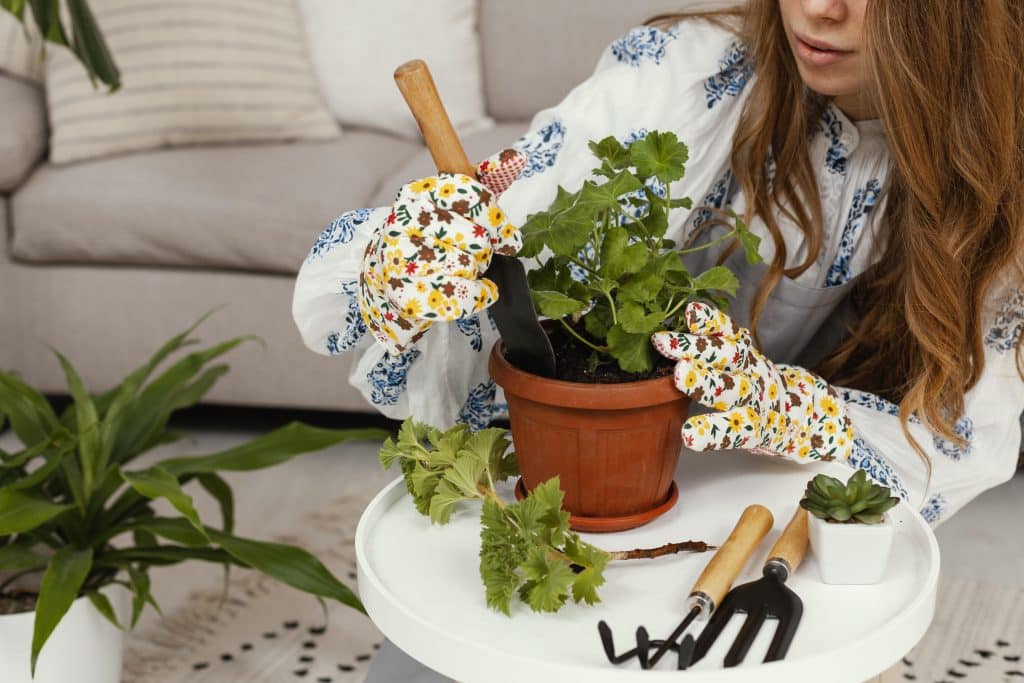
Gardening that follows seasonal cycles has numerous benefits. First, it ensures that crops are grown during their optimal periods, which improves yield and reduces reliance on chemical fertilizers or pesticides. Second, it promotes soil health by encouraging rotation and reducing the risk of nutrient depletion. Third, seasonal planting supports pollinators and local ecosystems, as native plants flourish when grown in harmony with natural cycles. Finally, it reduces costs for gardeners by minimizing wasted seeds, fertilizers, and water usage.
Emerging Trends in Gardening Techniques That Encourage Seasonal Planting
1. Climate-Adaptive Planting Calendars
In 2025, gardeners are moving away from rigid regional calendars and instead adopting climate-adaptive planting schedules. With unpredictable weather patterns, these new calendars integrate real-time data from apps and sensors that track soil temperature, rainfall, and daylight hours. AI-powered gardening apps now provide tailored planting recommendations, ensuring crops are sown and harvested at the most effective times.
2. Crop Rotation and Companion Planting
Traditional practices like crop rotation and companion planting are making a strong comeback, supported by scientific research. Rotating crops each season prevents nutrient depletion, while pairing compatible plants boosts growth and repels pests naturally. For example, planting legumes after heavy feeders like corn replenishes nitrogen in the soil. Companion planting, such as growing basil alongside tomatoes, is particularly popular among urban gardeners seeking chemical-free solutions.
3. Raised Beds and Vertical Gardening
Raised beds and vertical gardens are trending as space-efficient methods that align well with seasonal planting. Raised beds allow gardeners to control soil quality and extend planting seasons by warming up faster in spring and draining better during wet seasons. Vertical gardens, using walls or modular systems, make it possible to grow seasonal herbs, greens, and even small fruiting plants in limited urban spaces. These techniques are especially useful for those in apartments or small homes.
4. Smart Irrigation Systems
Water management is central to seasonal planting, especially in regions affected by drought. Smart irrigation systems, powered by sensors and weather forecasts, are becoming a go-to tool for gardeners in 2025. These systems adjust watering schedules based on soil moisture and seasonal rainfall, reducing water waste and ensuring plants receive just the right amount of hydration during their growing season.
5. Native and Pollinator-Friendly Planting
Growing native plants in sync with their natural seasons is one of the most effective ways to encourage biodiversity. In 2025, pollinator-friendly gardens are gaining popularity, with seasonal planting schedules designed to ensure continuous blooming. This provides year-round food sources for bees, butterflies, and birds, while supporting resilient ecosystems. Gardeners are increasingly aware that supporting pollinators directly benefits their seasonal food crops as well.
6. Cold Frames and Season Extension Techniques
For gardeners looking to extend planting seasons, cold frames, row covers, and small greenhouses are becoming more affordable and accessible. These tools allow for earlier planting in spring and prolonged harvests into late autumn or even winter. Paired with seasonal planting calendars, these techniques maximize productivity and reduce reliance on imported produce.
7. Community and Shared Gardening
In 2025, community gardens are experiencing a resurgence, particularly in urban areas. These shared spaces often follow seasonal planting practices to maximize productivity and reduce resource waste. Seasonal workshops teach participants when and how to plant, helping spread knowledge of sustainable gardening techniques. This trend also supports food security and builds stronger local communities.
Practical Gardening Techniques That Encourage Seasonal Planting
- Plan with a seasonal calendar: Research local frost dates, soil conditions, and daylight hours. Adjust schedules annually to account for changing weather.
- Use succession planting: After harvesting one crop, plant another suited to the next season. For example, follow spring lettuce with summer beans.
- Implement crop rotation: Divide your garden into sections and rotate plant families each year to maintain soil balance.
- Embrace companion planting: Pair crops strategically, such as carrots with onions, to naturally repel pests.
- Build raised beds: Use raised beds for better drainage and earlier planting. Fill with nutrient-rich soil to encourage seasonal productivity.
- Adopt mulching practices: Mulch protects soil moisture during hot months and insulates plants in cooler seasons.
- Harvest rainwater: Collect seasonal rainfall in barrels to use for irrigation during dry periods.
- Select native plants: Choose plants adapted to your local climate and plant them in their natural growing seasons.
- Experiment with succession crops indoors: Start seedlings indoors before the season begins to gain an early harvest once planted outside.
- Track progress: Keep a gardening journal or app log of what was planted, when it was harvested, and how it performed seasonally.
Benefits of Seasonal Planting
Following gardening techniques that encourage seasonal planting has clear advantages. Yields are higher because crops grow in their natural conditions. Soil health improves with rotation and cover crops, reducing reliance on synthetic inputs. Seasonal planting also reduces the carbon footprint of food by minimizing the need for year-round artificial growing conditions. For gardeners, this translates into fresher produce, reduced grocery bills, and greater satisfaction in sustainable living.
Challenges in Seasonal Planting
While beneficial, seasonal planting has challenges. Climate change is altering growing zones, making it harder to rely on traditional planting dates. Limited space in urban areas restricts crop diversity, although vertical gardening and raised beds mitigate this issue. Seasonal planting also requires careful planning and discipline, which may discourage beginners. However, with the growth of digital tools, apps, and community gardening initiatives, these barriers are easier to overcome.
The Future of Seasonal Gardening
Looking forward, gardening techniques that encourage seasonal planting will likely continue to integrate technology and sustainability. Smart sensors, AI-driven apps, and hydroponic systems tailored to seasonal cycles will empower even novice gardeners to succeed. Educational programs and government initiatives may further promote seasonal planting as part of climate adaptation strategies. Ultimately, seasonal gardening represents a balance between tradition and innovation, combining time-tested practices with modern tools to create resilient, productive, and eco-friendly gardens.
In conclusion, gardening techniques that encourage seasonal planting are reshaping how people grow food in 2025. From adaptive planting calendars and crop rotation to raised beds, smart irrigation, and community gardens, these techniques provide practical ways to boost yields and reduce environmental impact. While challenges remain, seasonal planting offers clear benefits for sustainability, food security, and personal well-being. As the trend grows, more households are likely to integrate seasonal practices into their gardening routines, making it both a lifestyle choice and a contribution to a healthier planet.
References
- IoT Sensing for Advanced Irrigation Management: https://pmc.ncbi.nlm.nih.gov
- Intelligent and automatic irrigation system based, https://www.nature.com
- Smart Irrigation System, https://www.sciencedirect.com

 Emerging Trends in Entrepreneurship and Startups


