


Gardening Ideas That Improve Outdoor Spaces
Amelia Johnson September 30, 2025
As gardening continues to grow in popularity, homeowners are increasingly looking for gardening ideas that improve outdoor spaces while also addressing climate challenges. In 2025, the conversation has shifted toward climate-resilient landscaping, water-wise practices, and biodiversity-friendly designs. These trends are not just about aesthetics; they reflect a deeper shift toward creating outdoor areas that can withstand extreme weather, reduce environmental impact, and provide functional beauty year-round.
This article explores the emerging gardening trends that add value, improve functionality, and help outdoor spaces thrive in an era of climate uncertainty.
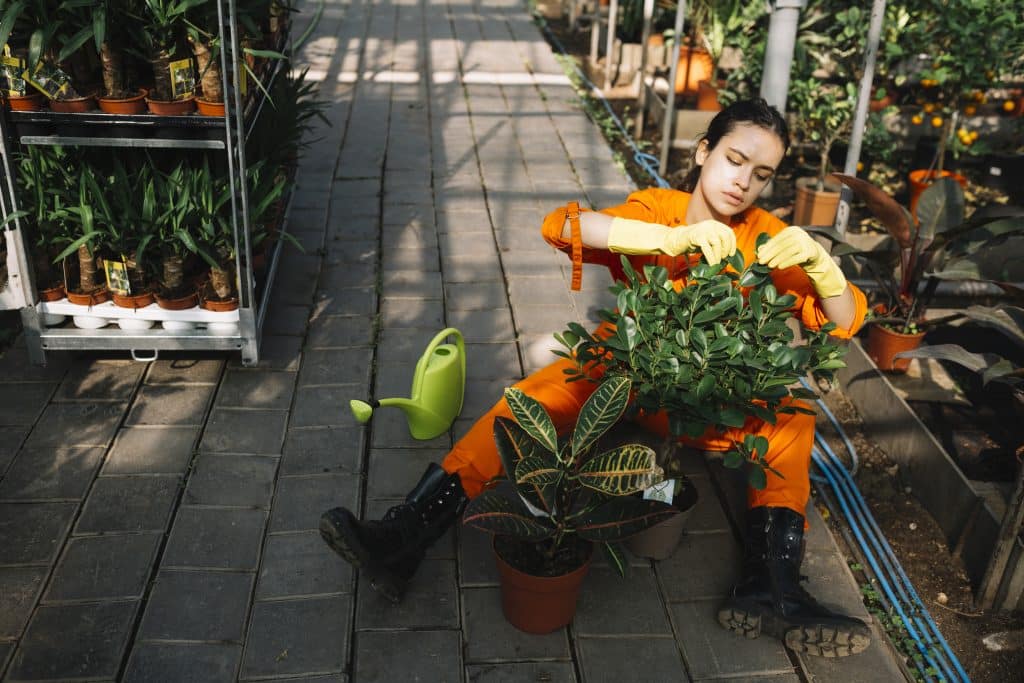
Why Climate-Resilient Gardening Matters
Climate change has made weather patterns more unpredictable, with hotter summers, heavier rainfall, and shifting plant hardiness zones. Gardeners are adapting by embracing designs that conserve water, support native ecosystems, and require less maintenance. By adopting resilient gardening practices, homeowners not only create beautiful landscapes but also reduce water and energy use, support pollinators and local wildlife, protect soil health, and create outdoor spaces that remain functional in varying conditions. These priorities are shaping how people approach gardening projects in 2025.
Top Gardening Ideas That Improve Outdoor Spaces
1. Native Plant Landscaping
One of the most significant shifts in gardening is the use of native plants. These species are naturally adapted to local climates, making them more drought-tolerant and pest-resistant than many non-native varieties. This trend requires less irrigation and fertilizer, supports biodiversity by attracting pollinators, and reduces the spread of invasive species. For example, many U.S. homeowners are replacing turf grass with native wildflower meadows. This approach creates vibrant, low-maintenance yards that are both practical and eco-friendly.
2. Water-Wise Gardening
With droughts becoming more frequent, water conservation is at the center of outdoor design. Water-wise gardening focuses on efficient irrigation and drought-tolerant plants. Practical steps include installing drip irrigation systems instead of sprinklers, using rain barrels or cisterns to capture stormwater, and incorporating gravel beds and permeable paving to prevent runoff. Xeriscaping, once associated mainly with arid regions, is now spreading across diverse climates as homeowners look to reduce water waste.
3. Foodscaping and Edible Gardens
Edible gardening is no longer limited to tucked-away vegetable patches. In 2025, “foodscaping” integrates edible plants into ornamental landscapes. Blueberry shrubs in hedges, herbs in flower borders, and espalier fruit trees as living fences are just a few examples. Foodscaping adds both beauty and function to outdoor spaces, provides fresh homegrown produce, and encourages healthier, sustainable eating habits. Families are increasingly using outdoor spaces as extensions of their kitchens, creating gardens that are productive as well as attractive.
4. Vertical Gardening for Small Spaces
Urban living continues to drive interest in maximizing limited outdoor areas. Vertical gardens, green walls, and trellised plant systems allow homeowners to grow more plants in less space. This trend makes use of unused wall or fence space, improves air quality, reduces heat in dense environments, and adds a modern, stylish design element to patios and balconies. For apartments or homes with small yards, vertical gardening provides a practical way to bring greenery into everyday life.
5. Pollinator-Friendly Gardens
Concerns about declining bee and butterfly populations are reshaping outdoor planting choices. Gardeners are prioritizing species that provide nectar, pollen, and habitat. Popular approaches include planting milkweed for monarch butterflies, choosing flowering species with staggered bloom times for continuous food sources, and reducing or eliminating chemical pesticide use. This trend combines ecological responsibility with colorful, dynamic landscapes that feel alive throughout the seasons.
6. Smart Gardening Technology
The integration of smart technology into outdoor design is growing rapidly. In 2025, gardeners are adopting tools like soil moisture sensors, app-controlled irrigation systems, and even AI-driven plant care guides. These innovations optimize water use with precision irrigation, provide real-time feedback on soil health, and simplify maintenance for busy homeowners. Technology is making it easier than ever to manage resilient gardens without extensive manual effort.
7. Low-Maintenance Outdoor Living Spaces
Another trend is blending functional hardscapes with low-maintenance plantings. Homeowners are installing raised beds, native ground covers, and perennial borders that require less time and upkeep. Key features of this approach include reduced reliance on high-maintenance lawns, the use of gravel, stone, or wood for pathways and seating areas, and selecting perennials that return each year without replanting. This approach appeals to homeowners who want beauty without constant labor.
8. Climate-Responsive Outdoor Design
Outdoor spaces are increasingly being designed to adapt to changing conditions. Shade structures, drought-tolerant landscaping, and flood-resistant plantings are becoming common features. Practical examples include pergolas and vines for natural cooling, bioswales to manage heavy rainfall, and heat-tolerant grasses and succulents in sun-heavy areas. By building flexibility into design, these outdoor spaces remain enjoyable no matter what the weather brings.
9. Regenerative Gardening Practices
Beyond sustainability, regenerative gardening focuses on actively improving the ecosystem. This includes composting to enrich soil, using cover crops to prevent erosion, and practicing crop rotation in edible gardens. These methods not only sustain gardens but actually enhance soil fertility and biodiversity over time. In 2025, more gardeners are shifting from maintenance-focused designs to regenerative ones that leave their outdoor spaces better each year.
10. Blending Indoor and Outdoor Living
An emerging trend is designing gardens as extensions of indoor living spaces. Outdoor kitchens, covered patios, and natural transitions between indoor rooms and outdoor areas create fluid environments for both relaxation and entertainment. Plants are carefully chosen to complement interior design while enhancing comfort outdoors. For example, container gardens with herbs near outdoor dining areas add both fragrance and function.
Practical Tips for Starting a Climate-Resilient Garden
For homeowners interested in adopting these gardening ideas that improve outdoor spaces, here are some practical starting points. Assess your climate zone by understanding your region’s weather patterns and soil conditions. Choose native plants to begin with species known to thrive locally. Install smart irrigation systems such as drip systems and soil sensors that save water and effort. Mix function with beauty by combining edible plants with ornamental ones. Think long-term by prioritizing perennials and low-maintenance designs. Start small by testing new ideas in one section of the yard before expanding.
The Bigger Picture
In 2025, gardening is about more than creating pretty yards. It is about making outdoor spaces sustainable, resilient, and functional. By adopting practices like native plant landscaping, water-wise irrigation, foodscaping, vertical gardening, and regenerative methods, homeowners can design gardens that not only enhance property value but also contribute positively to the environment. Climate-resilient gardening ensures that outdoor spaces remain vibrant, enjoyable, and sustainable for years to come. At the same time, the integration of technology and design innovation shows how outdoor living is becoming a blend of tradition and modernity. The key is balancing aesthetics with practicality and ensuring that each outdoor space adds both ecological and lifestyle value.
References
- 10 Garden Trends to Watch in 2025, https://www.gardenary.com
- Guide to Climate Resilient Gardening, https://www.provenwinners.com
- Climate-Resilient Gardening: https://ecogardener.com

 Travel Experiences That Combine Culture and Learning


