


Gardening Ideas That Improve Outdoor Spaces
Amelia Johnson October 1, 2025
Outdoor living has taken center stage in recent years as more homeowners invest in creating inviting, functional, and sustainable backyards. With lifestyles increasingly blending indoor comfort with outdoor living, gardening is no longer limited to planting flowers or trimming hedges. Instead, it has become a creative, practical way to design spaces that reflect personal style while improving functionality. Today, emerging gardening ideas that improve outdoor spaces focus on sustainability, wellness, technology, and aesthetics, making it easier than ever for people to enjoy their yards year-round.
Why Gardening Trends Matter Now
The growing interest in outdoor living is directly connected to lifestyle shifts. A recent National Gardening Association report noted that younger generations are spending more on gardening projects, with a strong focus on sustainable practices and edible plants. The pandemic-era trend of upgrading outdoor spaces has not slowed down, and innovations in design, technology, and eco-conscious solutions have given rise to fresh approaches. Gardening ideas that improve outdoor spaces today are less about traditional upkeep and more about creating environments that save time, reduce environmental impact, and encourage relaxation.
Vertical Gardens: Maximizing Small Spaces
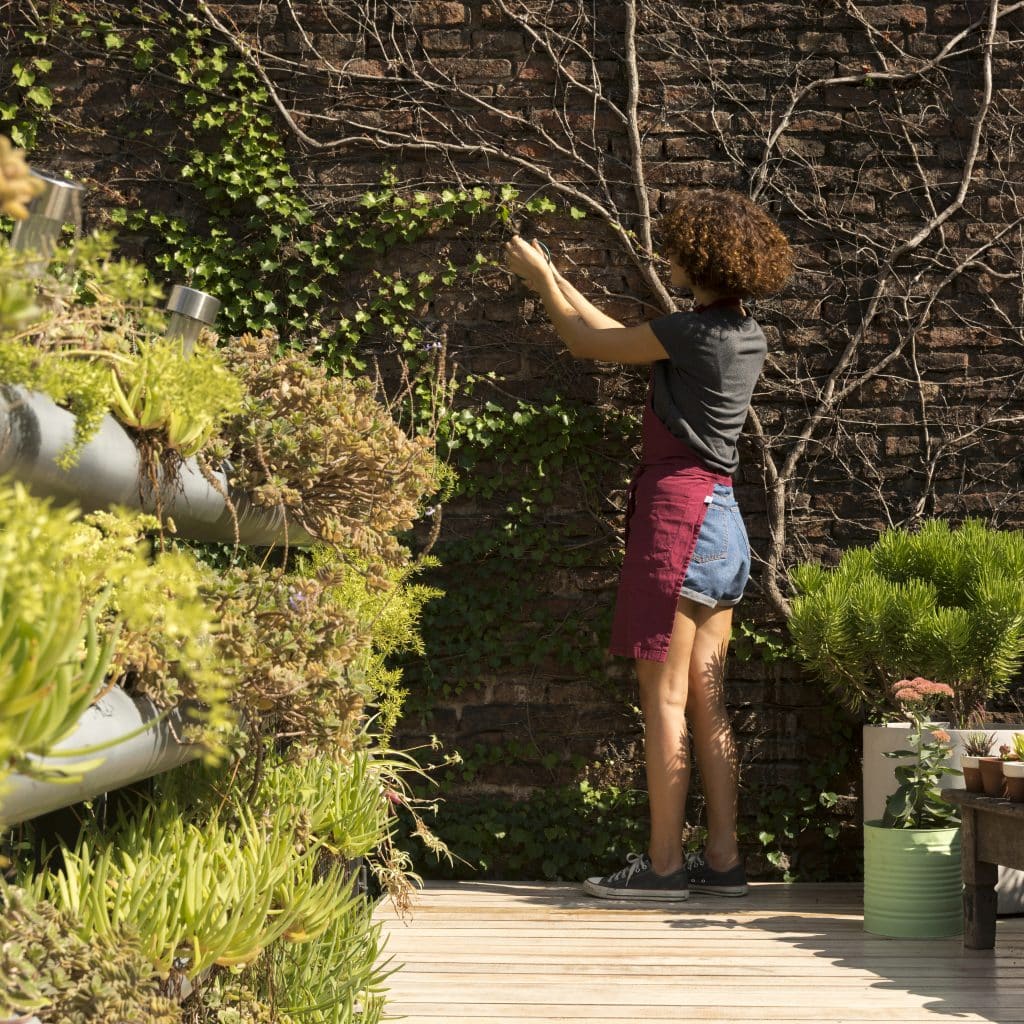
One of the most popular gardening ideas that improve outdoor spaces is vertical gardening. This trend has exploded in urban areas where homeowners and renters often have limited yard space. Vertical gardens can be created with wall-mounted planters, trellises, or modular systems that turn blank walls into lush, green displays. They are practical because they save ground space while still allowing people to grow herbs, flowers, and even vegetables. For smaller patios or balconies, vertical gardens create a sense of greenery without cluttering the area, and they also contribute to improved air quality.
Edible Landscaping: Beauty with Purpose
Edible landscaping blends functionality with design by incorporating fruits, vegetables, and herbs into decorative plant arrangements. Rather than separating ornamental plants from edible crops, this approach allows homeowners to create landscapes that look attractive while providing food. Imagine colorful borders made with purple basil, blueberry bushes doubling as hedges, or fruit trees planted for both shade and produce. Edible landscaping is gaining momentum as people look for sustainable ways to cut grocery bills and eat healthier. It’s not just about saving space—it’s about giving outdoor areas more meaning.
Smart Gardening Technology
Technology has entered the garden, and it is changing how people manage their outdoor spaces. Smart irrigation systems, for instance, use weather data and soil sensors to adjust watering schedules, reducing water waste while saving time. App-controlled lighting systems highlight garden features at night and improve security. Robotic lawnmowers and smart planters that monitor soil conditions make gardening more efficient for busy homeowners. These smart solutions transform gardening from a time-consuming hobby into an enjoyable, low-maintenance part of daily life. For many homeowners, integrating technology is one of the most practical gardening ideas that improve outdoor spaces.
Sustainable Practices: Eco-Friendly Gardening
Sustainability continues to drive new approaches in gardening. Rainwater harvesting, composting, and pollinator-friendly planting are at the forefront of eco-conscious design. Native plants, which require less water and care, are becoming a favorite choice for homeowners who want to reduce maintenance and support local biodiversity. Pollinator gardens that attract bees and butterflies also play a vital role in maintaining ecosystems. These sustainable methods not only conserve resources but also make outdoor spaces more resilient in the long run. By prioritizing eco-friendly choices, homeowners can transform their backyards into functional green spaces that align with environmental goals.
Outdoor Wellness Gardens
Another emerging trend is the creation of outdoor spaces designed specifically for relaxation and wellness. With growing awareness around mental health, many people are turning their gardens into personal sanctuaries. Features such as sensory gardens, which use textures, fragrances, and colors to stimulate the senses, are becoming popular. Incorporating calming water features, shaded seating areas, and plant arrangements designed to reduce stress can turn a backyard into a retreat. Gardening ideas that improve outdoor spaces in this category focus less on productivity and more on creating environments that promote mindfulness and well-being.
Functional Outdoor Living Areas
Gardening today often intersects with outdoor living design. Outdoor kitchens, fire pits, and pergolas surrounded by greenery create spaces that feel like extensions of the home. Plants play a major role in shaping these environments, whether through climbing vines that provide shade, potted plants that define outdoor “rooms,” or hedges that create privacy. By blending plants with functional design, homeowners can build multipurpose spaces that are perfect for both entertaining and everyday relaxation.
Climate-Resilient Planting
As climate patterns shift, homeowners are paying closer attention to the resilience of their outdoor spaces. Gardening ideas that improve outdoor spaces now include strategies for withstanding heat waves, droughts, and heavy rainfall. Drought-tolerant plants such as succulents, lavender, and ornamental grasses are gaining popularity because they require minimal maintenance and adapt well to changing climates. Similarly, rain gardens are designed to absorb excess runoff and prevent flooding. By planning for climate resilience, outdoor areas become more durable and easier to maintain year after year.
Creative Use of Lighting
Outdoor lighting has evolved from basic security fixtures into design statements that enhance both beauty and function. Solar-powered path lights, string lights woven through pergolas, and spotlights highlighting key plants or sculptures create ambiance and extend the usability of outdoor spaces after dark. Many homeowners are opting for energy-efficient LED systems that can be controlled remotely. Lighting not only adds a finishing touch but also ensures outdoor areas remain practical and welcoming in the evenings.
Container Gardening Flexibility
For those with limited outdoor space, container gardening offers flexibility and creativity. Containers can be arranged in different layouts, moved seasonally, and adapted for various plant types. From decorative ceramic pots to modern raised planters, this approach allows for personalization while remaining practical. Container gardens are particularly appealing for renters who want to improve outdoor spaces without permanent installations. They also make gardening accessible to beginners by simplifying maintenance and providing control over soil conditions.
Blending Nature with Sustainability
The most successful gardening ideas that improve outdoor spaces often combine beauty, functionality, and sustainability. Whether through water-wise designs, pollinator habitats, or multi-use plants, the goal is to make gardens both enjoyable and eco-friendly. Homeowners increasingly want spaces that reflect their values, offering a balance between personal comfort and environmental responsibility. As new products and design strategies continue to emerge, outdoor areas are becoming more adaptive and innovative than ever.
Conclusion: The Future of Outdoor Living
Gardening today is about more than keeping plants alive—it is about shaping environments that reflect modern lifestyles. From vertical gardens and edible landscaping to smart technology and wellness-focused designs, the latest gardening ideas that improve outdoor spaces combine creativity with practicality. As sustainability and climate concerns grow, eco-friendly practices will remain central to these trends. At the same time, technology and wellness design will continue to make outdoor living both functional and restorative. Whether homeowners are working with small balconies or large backyards, there are endless opportunities to create outdoor areas that are beautiful, sustainable, and tailored to everyday needs.
References
- Top Landscaping Trends for 2025: https://www.eaglecreeknursery.com
- Eco-Friendly Landscape Designs 2025: https://barefootgardendesign.com
- 2025 Trends in Garden Design, https://www.gardendesign.com

 Wellness Routines That Support Mindfulness


