


Interior Organization Tips That Save Time and Effort
Amelia Johnson September 29, 2025
In a world where we juggle remote work, tighter living spaces, and busier lives, interior organization that saves time and effort has moved from a nice-to-have to an essential. One of 2025’s biggest shifts? “Everywhere storage” — making strategic storage part of every room, not just closets. This trend is changing how we interact with our homes every day.
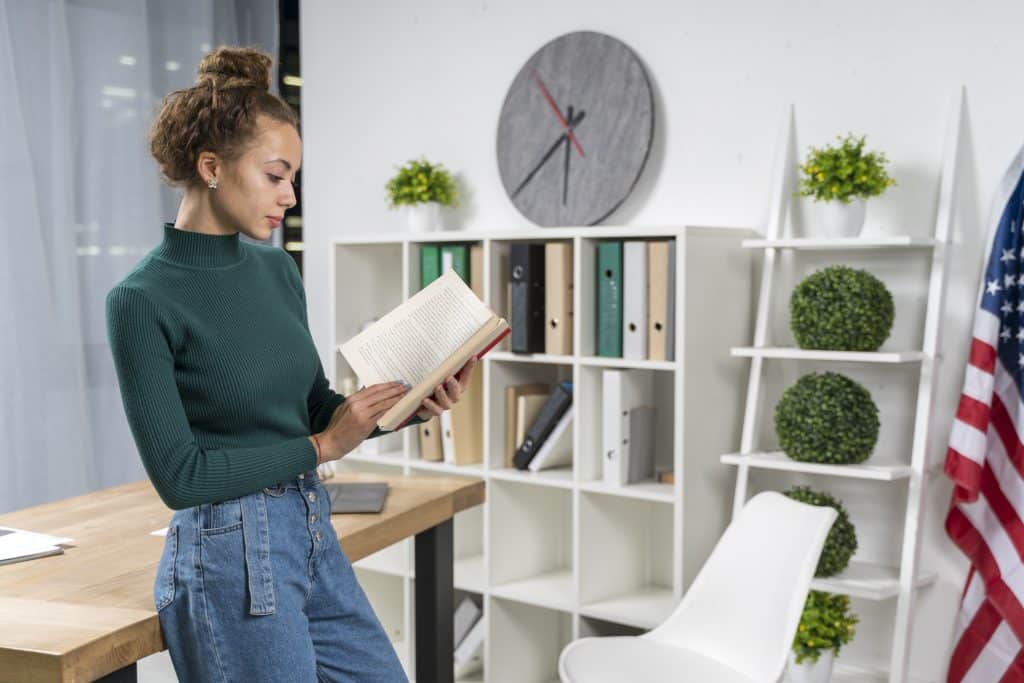
Why “Everywhere Storage” Is Gaining Momentum
Before we explore how to implement it, let’s examine why it’s become such a relevant trend.
1. Smaller Homes, Bigger Needs
Urban density and tiny-home movements mean people have less square footage — but no less stuff. Smart storage solutions like vertical shelving, hidden compartments, and under-bed drawers have become vital. According to Organized Living, maximizing vertical space and incorporating hidden systems is now central to effective home organization (Organized Living, 2025).
2. Hidden Storage Is the New Minimalism
Designers are forecasting a strong shift toward concealed storage zones — under benches, inside walls, behind mirrors — that blend seamlessly with home aesthetics. This trend reduces visual clutter while increasing functional capacity (The Spruce, 2025).
3. Function Over Flash
Today’s homeowners are tired of episodic deep cleans. They want systems that reduce daily mess effortlessly. Integrated storage promotes natural habits — putting things away becomes second nature, not a chore.
4. Sustainability and Smart Consumption
People are investing in fewer, better items. As highlighted by Better Homes & Gardens, eco-friendly materials and long-term organizing solutions (like built-ins and modular units) align with a broader shift toward mindful living (Better Homes & Gardens, 2025).
These trends show that interior organization that saves time and effort is evolving from a reactive chore into a proactive design principle.
What “Everywhere Storage” Actually Looks Like
Here are the five principles that define this trend:
- Distributed Storage Zones: Rather than relying on one large closet, this method spreads storage across all rooms in small, functional pockets.
- Blending Visibility and Concealment: Open baskets for easy grabs, paired with hidden compartments for the rest.
- Architectural Integration: Think drawers in staircases or seating with storage inside — built-in from the start.
- Modular Flexibility: Adjustable bins, stackable cubbies, and removable inserts offer adaptability.
- Vertical Optimization: Using door backs, wall strips, and hanging storage rather than spreading outward.
How to Make It Happen: A Practical Guide
Want to make interior organization that saves time and effort a reality in your home? Start here.
Step 1: Audit Daily Routines
Where does clutter gather? Where do you waste time finding things? Most people report hotspots like:
- Entryways (bags, keys, shoes)
- Kitchen counters (mail, utensils)
- Living rooms (remotes, chargers)
- Bedrooms (laundry, accessories)
Identify these friction points — these are your starting zones for embedded storage.
Step 2: Assign Each Room a Storage Personality
For each room, decide whether you want the storage to be:
- Visible & Decorative: Great for toys, books, and items in daily use.
- Hidden & Seamless: Ideal for seasonal items, utility storage, or things you don’t want to see.
This consistency keeps your design cohesive.
Step 3: Storage Ideas by Room
| Room | Ideas That Save Time & Effort |
|---|---|
| Entryway | Wall hooks, mounted cubbies, under-bench bins |
| Living Room | Ottoman storage, console tables with drawers, armrest trays |
| Kitchen | Toe-kick drawers, magnetic knife strips, pull-out pantry towers |
| Bedroom | Under-bed drawers, headboard cubbies, rolling wardrobes |
| Bathroom | Medicine cabinets, under-sink pull-outs, wall shelves |
| Hallways | Shoe cabinets, wall-mounted organizers, mirror cabinets |
According to The Spruce, compact pull-out pantries are one of the fastest-growing storage upgrades in urban apartments (The Spruce, 2025).
Step 4: Focus on “Snackable” Storage Zones
These are micro-storage areas that are so easy to access, you’ll actually use them:
- A slim drawer next to your couch for remotes
- A wall-mounted tray for mail and keys
- A small basket on your nightstand for glasses and books
The goal is to remove friction from daily tidying.
Step 5: Go Modular for Long-Term Flexibility
Choose systems you can reconfigure — like cube organizers or adjustable shelves. As your needs change, so can your setup.
Step 6: Create a “Return Habit”
Organization only works if it’s maintained. Build a 5-minute daily habit:
- Put away laundry
- Clear kitchen surfaces
- Return items to their labeled zones
It’s not about perfection — just consistency.
Why This Works (And When It Doesn’t)
It Works Because:
- You store things where you use them — no more room-hopping.
- You make tidying effortless, not aspirational.
- Your system grows with you, not against you.
- Clutter is blocked before it accumulates.
It Fails When:
- Zones are overfilled from the start.
- Design choices are based on aesthetics, not habits.
- Shared spaces lack communication about systems.
- You skip the reset routine.
Weekend Projects You Can Try Immediately
- Add a wall-mounted key tray in your entry
- Reclaim under-bed space with rolling bins
- Repurpose shoe racks as hallway storage
- Use spice racks in the bathroom for skincare
- Add labels to kitchen drawers to speed cleanup
None of these require contractors — just intention.
Industry Trends Reinforcing This Shift
Several professional insights back the growing demand for everyday-efficient organization.
1. Micro-Organizing
The concept of tackling one drawer or shelf per day is replacing the overwhelming weekend clean. Homes & Gardens reports that micro-organizing creates more sustainable habits and less burnout (Homes & Gardens, 2025).
2. The “Everything Closet”
Better Homes & Gardens outlines the rise of entry closets that store coats, cleaning tools, pet supplies, mail, and even small appliances — all in zoned modules (Better Homes & Gardens, 2025).
3. Sustainability Through Storage
More consumers are choosing bamboo, recycled plastic, and long-lasting units instead of disposable bins. Eco-friendly organization is as much about lasting systems as it is about materials (Better Homes & Gardens, 2025).
4. Stealth Storage Crosses Over
Designers are building hidden compartments into everyday furniture. What was once high-end (drawers in staircases, dual-use furniture) is now found in mid-range homes, condos, and even rentals (The Spruce, 2025).
These trends reinforce that interior organization that saves time and effort isn’t a passing phase — it’s the new standard.
Keep the Momentum Going
- Reassess Quarterly: Your life evolves — let your storage evolve too.
- Start with One Zone: Win small, then scale.
- Involve Everyone: Shared homes need shared logic.
- Leave Margin: Don’t fill every drawer to 100% — build space for change.
- Track What Works: Reuse what’s functional, replace what’s not.
Final Thoughts
“Everywhere storage” isn’t just clever. It’s liberating. With the right systems in place, your home can stop being a source of stress and become a partner in your routine.
By focusing on storage that adapts, lives where it’s needed, and takes little effort to maintain, you’ll spend less time cleaning — and more time living.
References
- Homes are getting smaller — multifunctionality is necessary- https://organizedliving.com
- Hidden storage and discreet design are trending- https://www.thespruce.com
- Sustainability, longevity, and mindful accumulation-https://www.bhg.com

 Fitness Routines That Promote Healthy Aging


