


DIY Projects That Make Homes More Functional
Amelia Johnson September 22, 2025
In 2025, homeowners are increasingly rethinking the way their spaces are designed, not just for beauty but for functionality. DIY projects that make homes more functional are at the center of this shift. Instead of costly renovations focused on aesthetics alone, many households are opting for practical upgrades that make daily routines easier, maximize small spaces, and improve energy efficiency. This growing interest is fueled by rising housing costs, hybrid work lifestyles, and a stronger emphasis on sustainable living. Functional design has moved from being a luxury to a necessity, and DIY solutions are making it accessible to anyone willing to pick up some tools.
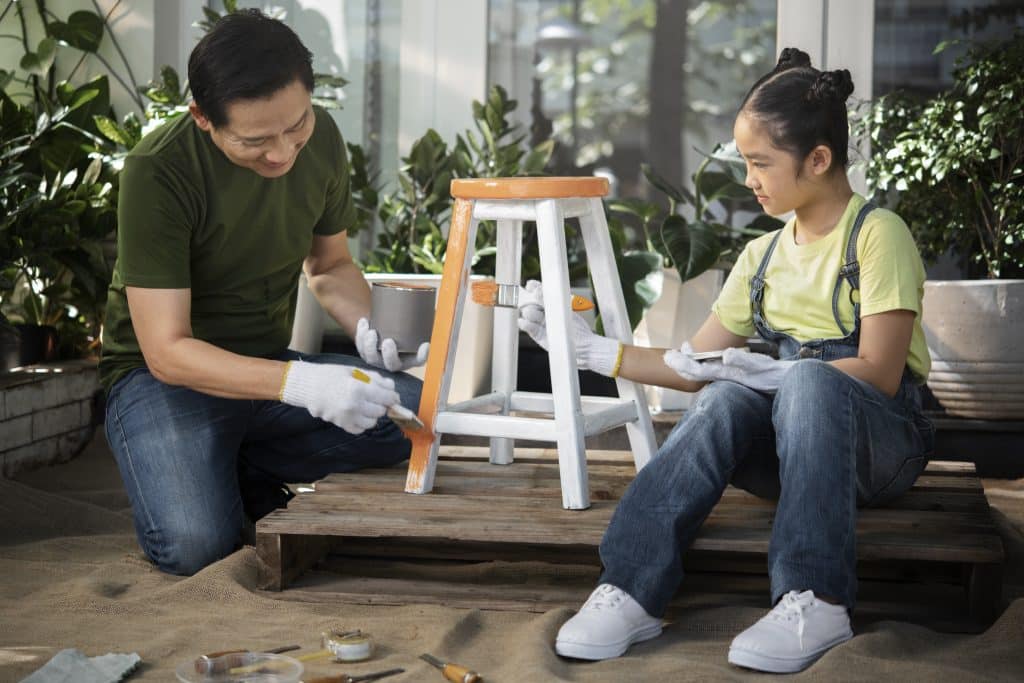
Why DIY Projects That Make Homes More Functional Are Gaining Popularity
The demand for functionality in homes has skyrocketed for several reasons. First, remote and hybrid work continues to influence home design. A single space now often doubles as an office, gym, and living area, forcing homeowners to find creative ways to make limited square footage more useful. Second, housing prices and interest rates remain high, which discourages frequent moves. Instead of upgrading to larger homes, people are investing in functional improvements that make their current spaces more adaptable. Finally, sustainability is driving the trend. DIY projects encourage repurposing, upcycling, and reducing waste while adding long-term value to homes. A 2025 study from the National Association of Home Builders highlights that homeowners are prioritizing upgrades like built-in storage, multi-use rooms, and energy efficiency over luxury finishes, reflecting this shift in mindset.
Emerging DIY Trends for Functional Homes
1. Modular and Multipurpose Furniture
DIY modular furniture is one of the fastest-growing trends. Many homeowners are creating custom pieces that serve more than one function. Examples include foldable desks that disappear into walls, storage benches that double as seating, or shelves that also act as room dividers. In smaller apartments, Murphy beds with built-in desks are particularly popular. These projects not only save space but also add adaptability, allowing a single room to serve different purposes depending on the time of day. Online tutorials and maker communities are making these builds easier to replicate at home, even for beginners.
2. Smart Home Upgrades on a Budget
Smart technology is no longer exclusive to luxury homes. Affordable DIY kits have made it possible for homeowners to integrate functionality into their living spaces without spending heavily. Projects such as installing smart lighting with motion sensors, building voice-activated switches, or setting up DIY security cameras are trending in 2025. With plug-and-play microcontrollers and smart hubs now widely available, homeowners are able to install systems that make their homes safer and more efficient without professional assistance. These projects enhance convenience and functionality while keeping costs manageable.
3. Built-In Storage Solutions
Clutter remains a major challenge for households, especially in urban settings where living spaces are limited. DIY storage projects provide a solution by transforming underutilized areas into practical storage. Under-stair drawers, floating shelves, and modular closet systems are among the most popular. Homeowners are also reclaiming unconventional spaces like alcoves or attic corners and converting them into functional storage. According to Houzz’s 2025 Home Design Trends Study, homeowners increasingly value storage efficiency as one of the top features in renovations, and DIY solutions make this accessible at a fraction of the price.
4. Outdoor Extensions of Living Space
Functional homes extend beyond their interior walls. Many households are creating DIY outdoor projects that expand living areas. This includes pergolas that provide shaded workspaces, raised garden beds that double as seating, and multipurpose outdoor benches with hidden storage. With the rise of urban gardening and outdoor entertaining, homeowners are building creative solutions that serve both leisure and productivity. For instance, a patio table with built-in planter boxes not only saves space but also encourages sustainable practices by supporting food or herb growth.
5. Energy-Efficient DIY Improvements
Energy efficiency has become a central focus of functional living. Rising utility costs and growing climate concerns have inspired DIY energy-saving projects that homeowners can complete without professional contractors. Popular projects include adding weather stripping to doors and windows, installing DIY solar panel kits, and building insulated window coverings. Many homeowners are also setting up rainwater collection systems for garden irrigation. According to Statista’s 2025 Smart Home Market Outlook, interest in cost-saving energy solutions continues to rise, with homeowners looking for simple ways to reduce their carbon footprint while lowering monthly bills.
6. Soundproofing and Privacy Enhancements
As more people share living spaces with family members or roommates, soundproofing and privacy are becoming essential. DIY projects such as installing acoustic panels made from recycled materials, hanging heavy curtains for noise reduction, or building sliding barn doors to section off open floor plans are increasingly common. These solutions not only improve functionality but also support mental well-being by reducing distractions. Functional homes in 2025 prioritize adaptable privacy, especially for those juggling remote work, online classes, or multiple household activities at once.
7. Kitchen Functionality Upgrades
Kitchens remain the most heavily used spaces in homes, and DIY projects that improve their efficiency are on the rise. Pull-out pantry systems, custom drawer organizers, and magnetic spice racks are among the most popular upgrades. Homeowners are also building multifunctional kitchen islands that provide prep space, seating, and storage all in one. With more people cooking at home, functionality in the kitchen is now about streamlining tasks and minimizing wasted time. These small but impactful projects transform the kitchen into a space that supports both convenience and productivity.
8. Repurposed and Sustainable Builds
Repurposing old furniture and materials is another trend that defines functional DIY projects in 2025. Instead of discarding old wood, metal, or textiles, many homeowners are turning them into functional pieces. Examples include converting an old dresser into a bathroom vanity, turning wooden pallets into outdoor seating, or using reclaimed wood for floating shelves. These projects not only add unique character to homes but also align with the broader cultural shift toward sustainability and eco-conscious living.
Practical Guide: How to Start DIY Projects That Make Homes More Functional
Starting a functional DIY project doesn’t need to be overwhelming. Here’s a step-by-step approach:
- Identify Pain Points – Walk through your home and list the areas where functionality is lacking, such as cluttered entryways or limited workspace.
- Set a Clear Budget – DIY projects are cost-effective compared to major renovations, but material costs can add up. Decide how much you’re willing to spend before starting.
- Start Small – If you’re new to DIY, begin with easy projects like floating shelves or smart plugs before tackling larger builds such as modular furniture.
- Use Available Resources – Platforms like Instructables, Pinterest, and maker forums provide tutorials and blueprints for DIY enthusiasts at all skill levels.
- Incorporate Sustainability – Look for ways to repurpose existing furniture or buy secondhand materials to reduce costs and environmental impact.
- Plan for Long-Term Value – Prioritize projects that not only solve current problems but also add long-term utility, such as built-in storage or energy-efficient improvements.
Looking Ahead: The Future of Functional DIY Homes
The future of functional DIY projects is being shaped by technological innovation and a growing emphasis on adaptability. With the rise of 3D printing, homeowners may soon be able to print customized furniture components at home. Affordable home automation kits are also expanding, making smart living more accessible than ever. The cultural push toward sustainability ensures that repurposing, energy efficiency, and modularity will remain at the forefront of DIY design. What makes DIY projects that make homes more functional especially exciting is their accessibility—anyone can adopt them, regardless of budget or home size. In 2025 and beyond, these projects reflect a broader cultural trend toward homes that are not only comfortable but also flexible, sustainable, and designed for modern lifestyles.
References
- 7 Biggest Interior Design Trends for 2025, https://cibeslift.com
- How to Incorporate Smart Appliances in Modern House Designs, https://pinoybuilders.ph
- 2025 Houzz Renovation Trends Survey Published, https://www.compositepanel.org

 Wellness Practices That Reduce Digital Stress


